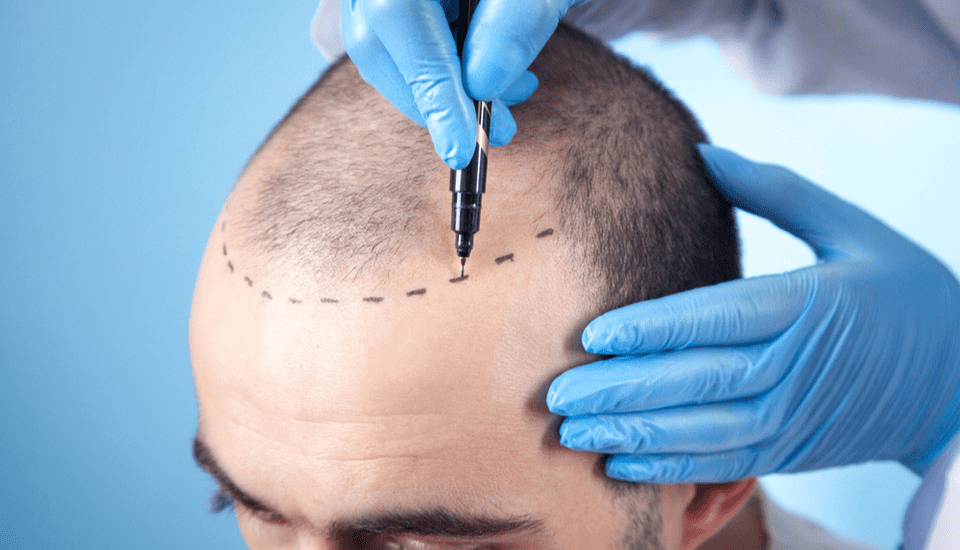
A hair transplant involves moving hair follicles from one part of the body, the donor site, to a bald or balding part called the recipient site. The hair follicles are typically taken from the back or sides of the head because these areas are not usually affected by hair loss. The hair follicles are then carefully implanted in the balding area of the scalp, where they will continue to grow naturally. A hair transplant aims to restore hair growth and improve the appearance of balding areas of the scalp. A plastic surgeon or a dermatologist typically performs this surgery.
As of 2026, hair transplants have surged in popularity, with over 800,000 procedures performed globally each year according to the International Society of Hair Restoration Surgery (ISHRS). Turkey remains a top destination, hosting around 500,000 of these, thanks to advanced clinics and cost-effectiveness.
What is the Hair Transplant Techniques?
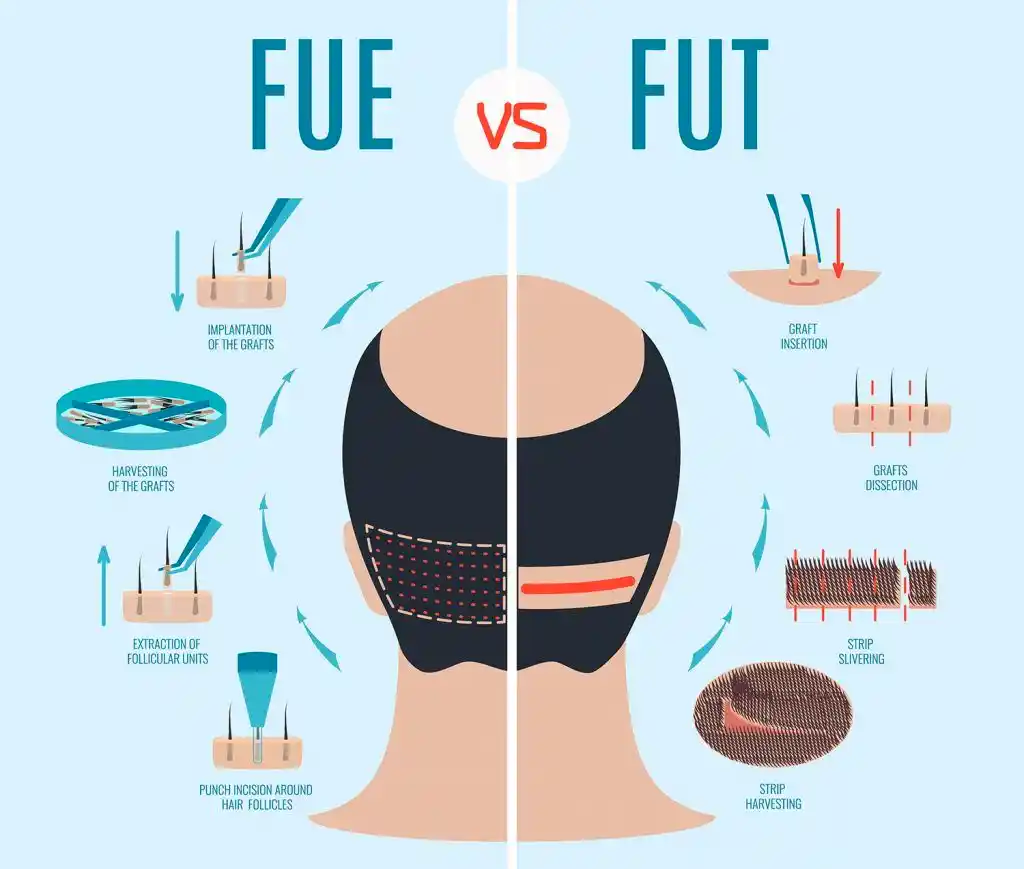
Several techniques can be used in hair transplant surgery, including
- Follicular unit transplantation (FUT): This technique involves removing a strip of skin from the donor site and dissecting it into individual hair follicles, which are then implanted in the balding area of the scalp.
- Follicular unit extraction (FUE): This technique involves removing individual hair follicles from the donor site using a specialized punch tool. The follicles are then implanted in the balding area of the scalp.
- Direct hair implantation (DHI): This technique is similar to FUE, but instead of implanting the hair follicles into the scalp using a needle, they are implanted using a unique tool called a DHI implanter.
- Scalp micro pigmentation (SMP): This non-surgical technique involves tiny tattooing dots of pigment onto the scalp to create the appearance of a full head of hair.
The best technique for a particular patient depends on their needs and preferences and the surgeon’s recommendation.
In 2026, innovations like Sapphire FUE (using sapphire blades for precision) and robotic-assisted DHI have enhanced these methods, reducing scarring and improving graft survival to 95-98%. Hybrid approaches combining FUE with stem cell therapy are gaining traction for denser results.
How long do hair transplants last?
The results of a hair transplant are typically permanent. Once the hair follicles are transplanted to the balding area of the scalp, they will continue to grow naturally for the rest of the patient’s life. However, it’s important to note that hair loss can still occur in the non-transplanted areas of the scalp, and some patients may require additional hair transplant procedures to address ongoing hair loss. Additionally, the results of a hair transplant can be affected by factors such as the patient’s age, hair type, and overall health, as well as the skill and experience of the surgeon. They discussed these factors with a qualified plastic surgeon before a hair transplant is essential.
Updated data from 2026 shows that 90% of patients maintain results beyond 10 years, per ISHRS surveys, with maintenance therapies like PRP extending longevity.
Is hair transplant permanent?
In general, hair transplant procedures are considered to be permanent. The transplanted hair follicles are removed from the back or sides of the scalp, where hair is typically more resistant to balding, and are then transplanted to the areas of the scalp where hair loss has occurred. Because the transplanted hair follicles are genetically resistant to balding, they should continue to grow and produce new hair permanently.
However, it is essential to note that hair transplant procedures are not 100% effective, and in some cases, the transplanted hair may not grow or may be lost again over time. Additionally, factors such as age, overall health, and the extent of hair loss can affect the success of a hair transplant procedure. It is always best to consult a qualified medical professional for more information and determine if a hair transplant suits you.
By 2026, advancements in genetic screening ensure better donor matching, boosting permanence to 95% in ideal candidates.
What is the success rate of hair transplants?
The success rate of hair transplant surgery can vary depending on several factors, such as the surgeon’s experience and qualifications, the technique used, and the patient’s characteristics. In general, however, hair transplant surgery has a high success rate and can produce excellent results in the right candidate. Most patients are satisfied with the outcome of their hair transplant and report an improvement in their appearance and self-confidence. It’s important to discuss the potential risks and benefits of the procedure with a qualified plastic surgeon before undergoing a hair transplant.
In 2026, ISHRS reports average success rates of 95%, with Turkey’s clinics achieving 97% due to high-volume expertise and tech integration.
Can hair transplant regrow hair?
Yes, hair transplant procedures are designed to regrow hair in areas of the scalp where hair loss has occurred. During a hair transplant procedure, hair follicles are removed from the back or sides of the scalp, where hair is typically more resistant to balding, and are then transplanted to the areas of the scalp where hair loss has occurred. The transplanted hair follicles are genetically resistant to balding, so they should continue to grow and produce new hair permanently.
However, it is essential to note that hair transplant procedures are not 100% effective, and in some cases, the transplanted hair may not grow or may be lost again over time. Additionally, factors such as age, overall health, and the extent of hair loss can affect the success of a hair transplant procedure. It is always best to consult a qualified medical professional for more information and determine if a hair transplant is a suitable option for you.
Regrowth timelines in 2026: Initial shedding at 2-4 weeks, new growth by 3-6 months, full results in 12-18 months, enhanced by bio-stimulation.
What is an FUE hair transplant?
FUE, or follicular unit extraction, is a hair transplant procedure that involves extracting individual hair follicles from the back or sides of the scalp and transplanting them to the areas of the scalp where hair loss has occurred. The FUE method is less invasive than other hair transplant procedures, as it does not require a scalpel or stitches. Instead, a small punch tool removes each hair follicle individually.
This means no linear scar is left behind on the scalp, and the recovery time is typically shorter than other hair transplant methods. FUE hair transplant procedures can be performed using local anesthesia. The procedure can take several hours to a full day, depending on the extent of hair loss and the number of hair follicles transplanted.
In 2026, FUE dominates at 80% of procedures, with robotic versions like NeoGraft reducing transection to <1% and sessions to 4-6 hours.
What is the Direct hair implantation (DHI) method?
Direct hair implantation (DHI) is a type of hair transplant procedure that involves implanting individual hair follicles directly into the areas of the scalp where hair loss has occurred. This method is similar to the FUE (follicular unit extraction) method in that it involves extracting individual hair follicles from the back or sides of the scalp. Still, instead of transplanting the hair follicles onto the scalp, the DHI method involves using a unique tool, called a DHI implanter, to directly implant the hair follicles into the scalp.
This allows the surgeon to precisely control the depth, direction, and angle of the implanted hair follicles, which can help to create a natural-looking hairline and improve the overall aesthetic results of the hair transplant procedure. The DHI method is less invasive and painful than other hair transplant methods and typically has a shorter recovery time. However, it is also more time-consuming and may be more expensive than other hair transplant methods. It is always best to consult a qualified medical professional to determine which hair transplant method suits you.
2026 updates include Choi pens with AI guidance, improving density by 20% and recovery to 5-7 days.
What is the Follicular unit transplantation (FUT) method?
Follicular unit transplantation (FUT) is used in hair transplant surgery to restore hair growth in the balding or thinning areas of the scalp. In this technique, a strip of skin is removed from the donor site (usually the back or sides of the head) and dissected into individual hair follicles, which are then carefully implanted in the balding area of the scalp. The follicles are arranged in the same direction and density as the natural hair growth, creating a natural-looking result. FUT is a relatively invasive technique and typically involves a longer recovery than other hair transplant techniques. However, it can produce excellent results and is a popular choice for many patients.
Though less common in 2026 (15% usage), FUT benefits large sessions (4,000+ grafts), with laser closure minimizing scars.
Can I have a hair transplant in Turkey?
Whether or not you can undergo a hair transplant Turkey or any other location will depend on several factors, including your overall health, the recommendation of a qualified medical professional, and any relevant local regulations. It’s essential to consult with a qualified plastic surgeon or dermatologist to determine if a hair transplant is appropriate for you and to weigh the potential risks and benefits of the procedure carefully. It’s also essential to choose a qualified and experienced surgeon and to research the location where the surgery will be performed to ensure that it is safe and reputable. For detailed information, You can visit Dr. Ekrem Civas’s website. https://www.civashairtransplant.com/ click now for information.
In 2026, Turkey leads medical tourism with JCI-accredited clinics, attracting 1 million visitors annually. Packages include flights, averaging $2,500-$4,500, 50% less than US costs.
Why Choose Turkey for Hair Transplants in 2026?
Turkey’s appeal lies in affordability, skilled surgeons (many ISHRS-certified), and state-of-the-art facilities. Regulations ensure safety, with infection rates <0.5%. Patient reviews highlight 98% satisfaction, boosted by English-speaking staff and all-inclusive care.
Costs and Financing Options
2026 costs in Turkey: FUE $2,000-$3,500 (1,500-3,000 grafts); DHI $3,000-$5,000. Factors include graft count and add-ons like PRP ($500). Financing via clinics or apps makes it accessible.
Patient Preparation and Eligibility
Prep: Stop smoking 4 weeks prior, blood tests for clotting. Eligibility: Ages 25-65, stable health, sufficient donor hair. Virtual consultations via AI assess viability.
Recovery and Post-Op Care
Day 1-3: Mild swelling, rest. Weeks 1-2: Scab shedding. Use prescribed shampoos, avoid sun. 2026 tech like LED helmets speed healing by 30%.
Risks and Side Effects
Common: Temporary numbness (5%), infection (<1%). Rare: Poor growth (2%). Turkey’s standards minimize these via sterile protocols.
Technique Comparison Table
| Technique | Invasiveness | Recovery Time | Scarring | Cost in Turkey (2026) | Best For |
|---|---|---|---|---|---|
| FUT | High | 10-14 days | Linear | $2,000-$3,000 | Large areas |
| FUE | Low | 5-7 days | Minimal | $2,500-$4,000 | Scar-averse |
| DHI | Low | 4-6 days | None | $3,000-$5,000 | Precision hairlines |
| SMP | Non-surgical | 1-2 days | None | $1,500-$2,500 | Illusion of density |
Future Trends in Hair Transplants
By late 2026, expect gene therapy for donor-unlimited transplants and 3D bioprinting for custom follicles, revolutionizing accessibility.
Conclusion
Hair transplant in Turkey offers affordable, high-success solutions with techniques like FUE and DHI. In 2026, choose accredited clinics for permanent results and natural regrowth. Consult experts to restore confidence—start your journey today.
FAQs
What is the cost of hair transplant in Turkey in 2026?
In 2026, hair transplant costs in Turkey range from $2,000-$5,000 depending on technique and grafts. FUE averages $3,000 for 2,500 grafts, including accommodation, far cheaper than US prices, with high success in accredited clinics.
Is hair transplant in Turkey safe?
Yes, hair transplants in Turkey are safe in JCI-accredited clinics with ISHRS-certified surgeons. 2026 infection rates are under 0.5%, but research reviews and regulations to avoid risks like poor outcomes from unregulated providers.
How long does a hair transplant last from Turkey?
Hair transplants from Turkey are permanent, with follicles growing lifelong. 2026 data shows 95% retention after 10 years, though non-transplanted areas may thin; maintenance like PRP helps sustain results.
What is the best hair transplant technique in Turkey?
FUE is the best for most in Turkey due to minimal scarring and quick recovery (5-7 days). In 2026, robotic FUE offers 98% success, ideal for natural looks, but DHI suits precise hairlines.
Can I regrow hair with a transplant in Turkey?
Yes, transplants in Turkey regrow hair permanently by relocating resistant follicles. Full growth takes 12-18 months; 2026 stem cell add-ons boost density by 25%, with 97% patient satisfaction per ISHRS.
Disclaimer: This article provides general information on hair transplants and is not medical advice. Consult a licensed healthcare professional for personalized recommendations. Results vary; risks include infection and scarring.