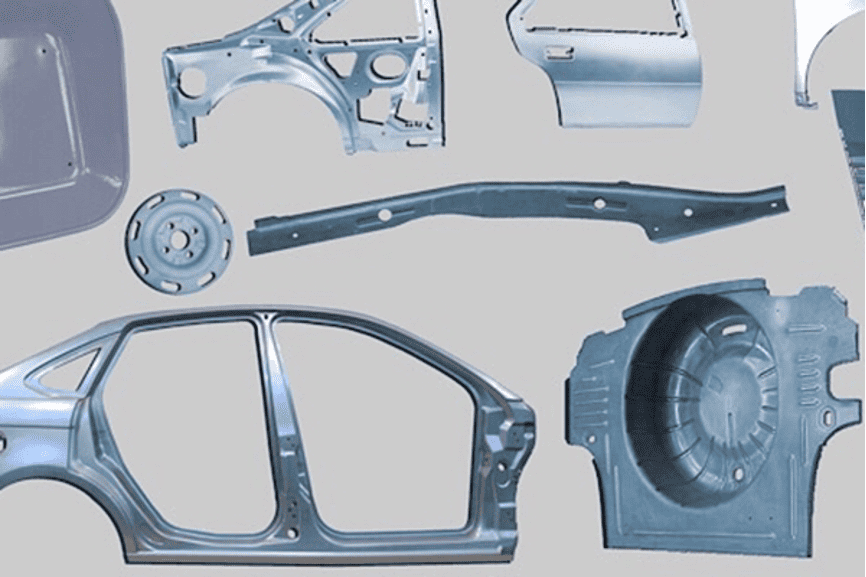
In manufacturing and production, sheet metal custom fabrication stands as a monument to the interplay between design precision and functional utility. It represents an intricate labyrinth where custom sheet metal fabricators wield tools of technological innovation to translate conceptual designs into tangible, practical, and aesthetically pleasing sheet metal fabrication parts. A single mistake in this process can send a cascade of subsequent errors tumbling down the production line of custom sheet metal fabrication parts, disrupting schedules, increasing costs, and compromising overall project integrity. Here are a few mistakes to avoid when designing sheet metal parts.
Not Checking Out the Design Guides Like Software Manuals Before the Design
A cardinal mistake often committed by even seasoned custom sheet metal fabricators is the overlooked potential of design guides analogous to software manuals. These guides are treasure troves of wisdom and underutilized resources that hold the power to elevate the precision, efficiency, and overall quality of sheet metal fabrication.
Software creators diligently curate a vast arsenal of resources to aid designers in orchestrating flawless experiences while ordering custom sheet metal fabrication parts and enclosures. Yet, astonishingly, these guides often need to be more understood and utilized, despite their pivotal role in ensuring optimal design outcomes.
Navigating the landscape of sheet metal fabrication demands an intimate understanding of design principles, material properties, and tool capabilities and an intricate comprehension of specific software features and capabilities. Without utilizing the rich resources provided by software manuals and design guides, even seasoned sheet metal fabricators may inadvertently limit their design potential and introduce unnecessary errors in their work.
Placing Cutouts Too Close to the Bend
One seemingly inconspicuous error can lead to harmful effects in the dynamic realm of sheet metal custom fabrication, where precision, design, and function merge to create utility and aesthetic appeal structures. Placing cutouts too close to the bend line is a frequently encountered misstep, even among seasoned custom sheet metal fabricators.
This common design pitfall arises from a misunderstanding or oversight of the relationship between cutouts and bends in sheet metal fabrication parts. Cutouts near the bend may distort during fabrication due to the mechanical stresses of press brakes. Such distortion, which manifests as stretching or flaring of the cutouts, can have severe implications, especially when these cutouts are intended to house specific components.
The implications of this error can be more profound in customized sheet metal fabrication, where the parts are tailored to exact specifications, and any deviation can compromise the part’s fit, function, or assembly compatibility. However, it’s crucial to appreciate that sometimes, design objectives may necessitate placing a cutout closer to a bend. So, how can sheet metal fabricators navigate this complex issue?
The answer lies in harnessing the power of notching. Notching, a shearing process, enables custom sheet metal fabricators to leave the cutout in perfect form, even near a bend. This method is beneficial when designing a flange smaller than a minimum bend, undertaking bend sectioning, or accommodating specific components like standoffs, connectors, or PCI cards.
Having Too Tight of a Bend Radius
Navigating the nuances of sheet metal custom fabrication involves various technical variables, with the bend radius constituting a critical aspect often underestimated. While it might seem like an insignificant design detail, having too tight of a bend radius is a common mistake with consequential effects that could compromise the structural integrity of the sheet metal fabrication parts.
A metal sheet doesn’t form an absolute right angle during bending. Rather, the corners present a slight curvature, a phenomenon known as the bend radius. In the meticulous sheet metal fabrication world, if this radius is excessively tightened, it can introduce a major weakness in the fabricated part. This vulnerability can lead to easy deformation or breakage, severely impacting any components housed within the structure.
In the broader context of sheet metal manufacturing, it’s paramount to note that bend radius is inherently tied to the material’s type and thickness. The harder and thicker the metal, the larger the minimum bend radius needs to be. Ignoring this crucial correlation can lead to unwelcome surprises during the fabrication process.
Not Conscious About How Much Thickness Will Be Added to Your Part Once the Powder Coat Is Applied
Custom sheet metal fabricators frequently need to pay more attention to the additional thickness. This treatment imparts to the fabricated parts, resulting in a mismatch between design and reality.
Powder coating, while enhancing the durability and visual appeal of sheet metal fabrication parts, adds a layer of material. While seemingly insignificant, this increase in thickness can be consequential. An important aspect to remember is that a powder coat typically adds between three to five thousandths of an inch per side to the part. If this is accounted for during the design phase, the dimensions of cutouts and other features can be protected.
This issue is especially critical in customized sheet metal fabrication, where parts are often designed to house specific components. If the increase in thickness due to powder coating is not factored into the design, the cutouts may be too small, resulting in parts that do not fit as intended. This affects the part’s functionality and can lead to increased costs and time delays as adjustments must be made.
The key to successful sheet metal manufacturing is a holistic design approach that factors in all stages of the fabrication process, including finishing treatments. Remembering to adjust dimensions for the added thickness due to powder coating is a simple but crucial step toward ensuring that the final sheet metal fabrication part aligns perfectly with its intended application.
Conclusion
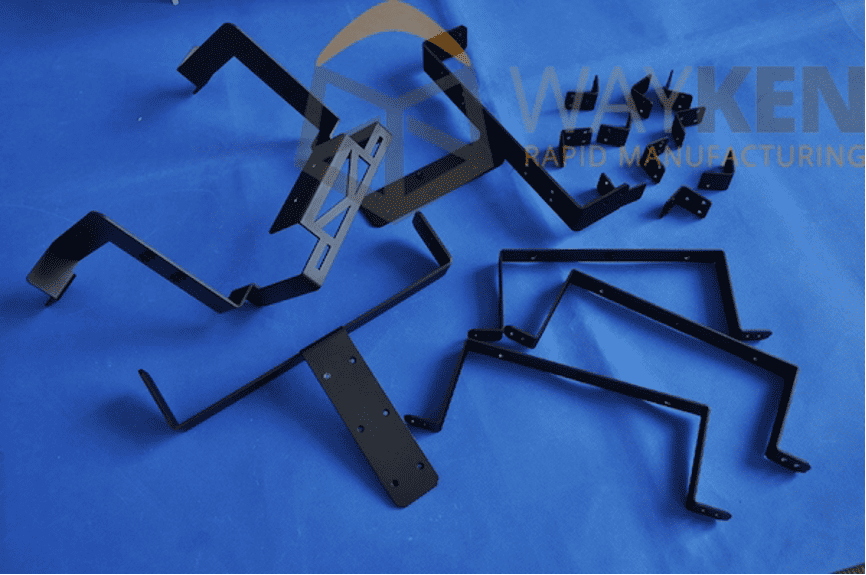
In conclusion, sheet metal fabrication is a complex yet rewarding process. By avoiding these common pitfalls, manufacturers, designers, and educators can enhance the quality and precision of their output, ultimately contributing to the evolution of sheet metal fabrication.