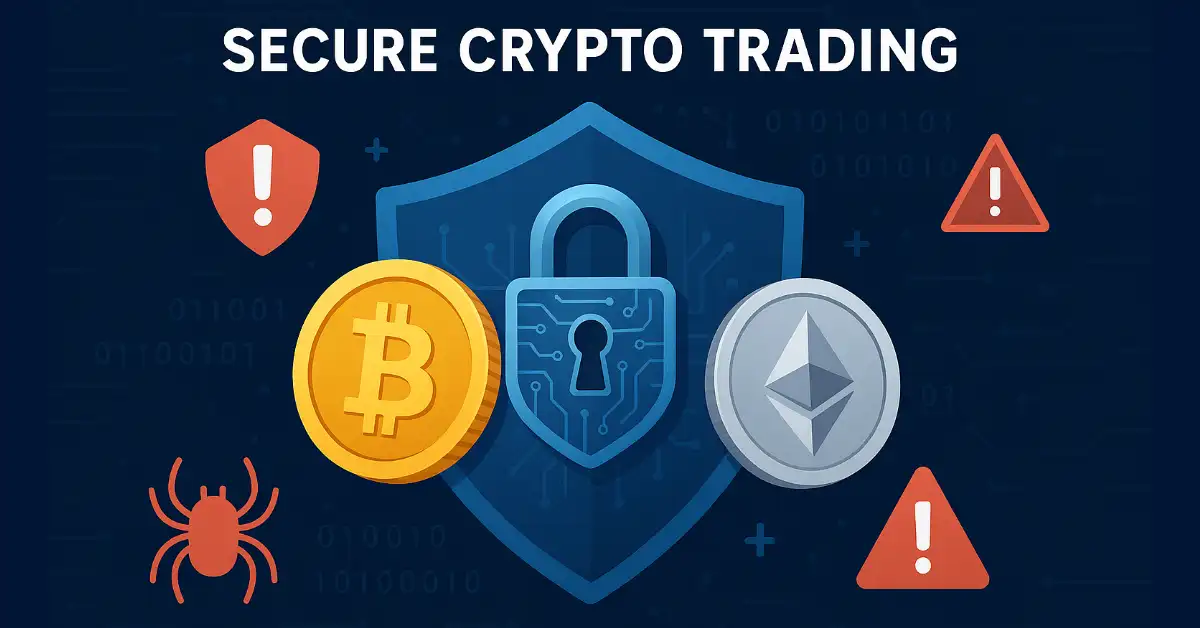
Cryptocurrencies’ volatility and decentralized nature create unique risks for traders and investors. However, utilizing best security practices can help you confidently participate in crypto markets while minimizing exposure to scams or theft. Here are key tips for remaining vigilant and protecting your assets when trading crypto.
Recently, the scale of these risks has escalated dramatically. According to reports, cryptocurrency scams and hacks resulted in approximately $2.2 billion in losses worldwide in 2024, with figures climbing to nearly $3.1 billion in the first half of 2025 alone. Sophisticated cybercriminals are driving this surge by exploiting new technologies like AI and evolving regulatory landscapes. As we move into 2026, staying informed about these trends is more crucial than ever for secure crypto trading. By incorporating updated strategies, such as advanced authentication methods and awareness of emerging blockchain vulnerabilities, you can better safeguard your investments in this dynamic market.
Enable Multi-Factor Authentication
Always use two-factor or multi-factor authentication (2FA/MFA) to access crypto exchange and wallet accounts. This requires providing two credentials when logging in, like a password plus an SMS code or biometric scan. 2FA creates critical extra protection by ensuring thieves can’t access accounts even if they obtain your password alone.
To make the system even more effective in 2025, consider upgrading to hardware-based 2FA options, such as YubiKey or authenticator apps that generate time-based codes offline. SMS-based 2FA, while convenient, has become vulnerable to SIM swapping attacks, where hackers hijack your phone number to intercept codes. For instance, in 2024, several high-profile cases on platforms like Binance highlighted how attackers used social engineering to bypass phone-based verification.
Instead, opt for app-based or biometric MFA, which adds layers of security without relying on telecom networks. Regularly review your account settings to ensure MFA is enabled on all devices, and never share your recovery codes publicly. This simple upgrade can reduce the risk of unauthorized access by up to 99%, according to cybersecurity experts.
Additionally, as passkeys gain traction in the crypto space—supported by wallets like Ledger and exchanges like Coinbase—integrate them where possible. Passkeys use cryptographic keys stored on your device, eliminating the need for passwords altogether and making phishing attempts nearly impossible. In a 2025 landscape where account takeovers accounted for a significant portion of the $2.17 billion in mid-year losses, these advanced methods are essential for robust crypto wallet protection.
Work With Established, Regulation-Compliant Platforms
Conduct due diligence before trusting any crypto platform with your personal and financial data. Reputable exchanges like Coinbase and Kraken adhere to applicable KYC (know your customer) and AML (anti-money laundering) regulations in the jurisdictions in which they operate. This approach provides oversight and accountability protections. Only use regulated platforms.
In 2025, regulatory compliance has become a cornerstone of trust, especially with updates from bodies like the FATF, which introduced new guidance on asset recovery for seized crypto assets. Platforms that comply with these standards offer better user protections and integrate advanced security features like on-chain monitoring for suspicious activities.
Before signing up, check for licenses from authorities such as the SEC in the US or equivalent bodies elsewhere, and review audit reports from firms like Chainalysis. For example, in 2024, unregulated platforms were involved in over 40% of reported scams, leading to billions in losses. Look for exchanges that support features like withdrawal whitelists, which restrict transfers to pre-approved addresses, adding an extra barrier against theft.
Also, as global rules change—like the EU’s MiCA framework that will be fully in place by 2025—focus on platforms that clearly show how they keep This not only minimizes risks but also ensures quicker recovery in case of incidents. Always read user reviews on independent sites and verify the platform’s track record through tools like CoinMarketCap’s exchange rankings to avoid falling victim to fly-by-night operations in the competitive crypto trading arena.
Don’t Talk Openly About Your Holdings
Be cautious about sharing specifics about your crypto investments and trading activities openly on social media or in person. Even vague details can inadvertently expose you to hacking, scams, or theft by making you an attractive target. Never disclose wallet details or holdings publicly. Keep any chatter about crypto activities generic.
This advice is particularly relevant in 2025, where social engineering attacks have spiked, often fueled by AI-generated deepfakes that impersonate influencers or friends to extract information. Hackers scour platforms like X (formerly Twitter) and Reddit for hints about portfolios, using them to tailor phishing campaigns.
For instance, a 2024 incident saw a trader lose $1 million after casually mentioning their Ethereum holdings in a Discord group, which was exploited by scammers. To counter this, use privacy-focused communication tools and enable privacy settings on social accounts. Educate yourself on operational security (OPSEC) principles, such as avoiding geotagged posts that reveal your location, which could lead to physical threats in extreme cases.
Expanding on this, consider the rise of “pig butchering” scams, where fraudsters build long-term relationships online to extract investment details. In 2025, with over 41,000 US complaints about crypto investment frauds in 2024 alone, maintaining discretion is key. Generic discussions about market trends are fine, but specifics invite risks—treat your portfolio like a bank account balance you wouldn’t broadcast.
Stay Up To Date With The Latest News
Follow trusted industry news sources to stay informed about new crypto scams. Understanding the current threats enables you to promptly secure your accounts in the event of any platform compromise. News outlets also promptly report on significant hacks and vulnerabilities, thereby warning users. If you want the latest updates, head to a site like News BTC. They have the expert analysis and news you need to know about.
In 2025, with hacks dropping by half from 410 in 2024 to about 200 incidents and losses still exceeding $2 billion, real-time news will be indispensable. Subscribe to newsletters from sources like Chainalysis or Elliptic, which provide in-depth crypto crime reports. For example, early warnings about vulnerabilities in DeFi protocols have saved users millions by prompting timely withdrawals. Set up alerts for keywords like “crypto hack” or “exchange vulnerability” on Google News to stay proactive.
Moreover, as emerging threats like quantum computing loom, news sources can guide you toward migrating to post-quantum cryptography. Dedicate time weekly to review updates and cross-reference multiple outlets to avoid misinformation, ensuring your trading strategies remain secure amid rapid industry changes.
Only Download Apps From Official Sources
Exchanges and hardware wallet companies provide official mobile apps to check balances and trade conveniently. However, only download directly from Google Play or the Apple App Store. Fake apps with similar names and logos frequently appear to steal login credentials or inject malware. Triple-checking the publisher protects against fraudulent apps.
This practice is vital as app store fraud has evolved, with AI helping scammers create convincing clones. In 2025, reports indicate infected software and bad browser add-ons as top vectors for credential theft. Always verify the developer’s name—e.g., “Coinbase Inc.”—and read recent reviews for red flags. Avoid sideloading apps, even if promised exclusive features, as this bypasses security checks.
To further secure your setup, use app permissions sparingly and enable auto-updates. A 2024 case involving a fake MetaMask app led to widespread losses, suggesting that there must be vigilance in mobile crypto trading.
Don’t Store Crypto on Exchanges Long Term
While convenient for trading, leaving significant cryptocurrency assets on an exchange long-term poses security risks. Exchanges are vulnerable to hacks, withdrawal blocks, or even bankruptcy. For holdings not actively trading, transfer to a secure offline hardware wallet under your custody. Only keep short-term trading amounts on exchanges.
With major hacks like those in 2025 targeting exchanges’ third-party tools, self-custody via hardware wallets like Ledger or Trezor is recommended. These devices keep private keys offline, immune to online breaches. In 2024, exchange bankruptcies affected millions, reinforcing the “not your keys, not your crypto” mantra. When transferring, double-check addresses to avoid address poisoning, where scammers send dust transactions with similar addresses.
For added security, use multi-signature wallets requiring multiple approvals for transactions. This approach minimizes risks while allowing active trading on minimal balances.
Run Updated Antivirus and Firewall Software
Malware and viruses specifically target cryptocurrency holders, attempting to steal wallet data or credentials stored on devices. Running robust, updated antivirus software and firewall protection provides strong shields against these hacking attempts. Enable software auto-updates and scans to maintain constant vigilance.
In 2025, with supply chain attacks on the rise, integrate endpoint detection tools like those from CrowdStrike. Malware variants now use AI to evade detection, so layer defenses with browser extensions like uBlock Origin. Regular scans caught over 60% of infostealer attempts in 2024 reports.
Encrypt sensitive data and use VPNs for public Wi-Fi trading to block man-in-the-middle attacks.
Beware “Free” Airdrops and Gifts
Scammers commonly offer fake gifts of cryptocurrency or tokens in exchange for you sending cryptocurrency first or sharing your wallet address. These are never legitimate. Any unsolicited offers are bait to steal your funds or data. Never send crypto or share personal information to collect supposed “airdrops.”
Pig butchering and romance scams amplified this method in 2025, contributing to $1 trillion in global scam losses. Verify airdrops through official project channels only. If it seems too good to be true, it is—report suspicious offers to platforms like the FTC.
Don’t Click Suspicious Links
Treat any emails, chats, or texts containing crypto-related links as extremely suspicious, even if they seem to come from trusted entities. Hover over links to inspect destination URLs for spoofing. When in doubt, manually navigate to exchange or wallet sites to exercise caution. Clicking unknown links risks infecting devices.
In 2025, phishing evolved to include AI-generated messages that perfectly mimic support emails. Use link scanners like VirusTotal before clicking. Training yourself on these tactics prevented many of the 200+ incidents last year.
Keep Devices Clean and Updated
Hackers exploit vulnerabilities in outdated operating systems and software. Keep all internet-connected devices updated, including installing the latest OS patches and browser versions. Only install apps from official sources like the Play Store. Use strong passwords. These basics create layers of security from technical exploits.
With zero-day exploits in APTs rising, automate updates and use password managers like LastPass. In 2025, unpatched devices were entry points in 30% of breaches.
Emerging Threats in Crypto Trading for 2025
As the crypto landscape evolves, new risks demand attention. AI-powered fraud uses deepfakes for impersonation, while address poisoning tricks users with similar wallet addresses. Quantum computing threatens current encryption, urging a shift to post-quantum standards. Blockchain exploits target smart contracts and supply chains, APTs enable long-term infiltrations, and account takeovers via SIM swapping persist.
To counter these, audit your tech stack, use quantum-resistant wallets, and implement behavioral monitoring. Staying ahead involves continuous education and tools like multi-sig setups.
Trading cryptocurrency poses unique risks, but education and vigilance provide strong protection. Following the best security and account management practices ensures you can invest, trade, and hold crypto safely while the asset class matures. Stay cautious and keep your knowledge current.
Conclusion: Building a Secure Future in Crypto Trading
In conclusion, staying safe while trading crypto in 2025 requires a proactive, multi-layered approach to security. By enabling advanced MFA, choosing regulated platforms, and staying informed on emerging threats like AI fraud and quantum risks, you can navigate the volatile market with confidence. Remember, the key to scam prevention lies in vigilance—regularly update your strategies, use hardware wallets for long-term storage, and avoid common pitfalls like clicking suspicious links. As crypto adoption grows, prioritizing blockchain protection and wallet security will safeguard your investments. For the latest tips on secure crypto trading, bookmark reliable sources and consider professional advice. Protect your assets today to thrive in tomorrow’s digital economy.
FAQs
What are the top crypto security threats in 2025?
Key concerns include AI-powered deepfakes, phishing, address poisoning, quantum computing risks, smart contract exploits, advanced persistent threats, and account takeovers through SIM swapping. Stay safe by using hardware wallets, enabling MFA, and verifying transactions manually to mitigate these evolving blockchain vulnerabilities.
How can I protect my crypto wallet from hackers?
Use a hardware wallet for offline storage, enable multi-factor authentication with app-based codes, keep software updated, and avoid sharing details online. Regularly scan for malware and use withdrawal whitelists on exchanges to prevent unauthorized access in the volatile crypto market.
Is it safe to trade crypto on mobile apps?
Yes, if downloaded from official stores and secured with biometrics and 2FA. Be cautious of fake apps and phishing; use VPNs on public Wi-Fi and limit holdings on exchanges. In 2025, mobile threats like infected software are rising, so triple-check publishers.
What should I do if I suspect a crypto scam?
Stop all communication, don’t send funds or share info, report to authorities like the FTC or IC3, and secure your accounts by changing passwords and enabling MFA. Monitor for unauthorized transactions and consult news sources for similar scam patterns to prevent further loss.
Why use regulated exchanges for crypto trading?
They comply with KYC/AML rules, offer insurance against hacks, and provide oversight for asset recovery. In 2025, with rising regulations like FATF guidelines, they reduce scam risks compared to unregulated platforms, ensuring safer trading and better user protections.
Disclaimer: This article is for informational purposes only and does not constitute financial, investment, or legal advice. Cryptocurrency trading involves significant risks, including volatility and potential loss of principal. Readers should conduct their research and consult qualified professionals before engaging in any trading activities. The author and publisher are not responsible for any losses incurred.