The journey through the clouds is not without turbulence. Grasp the steering wheel and embark on a skyward odyssey with this guide to cloud migration, where we will chart the course, face common squalls, and share the compass of best practices for a soaring transition.
Understanding the Cloudscape
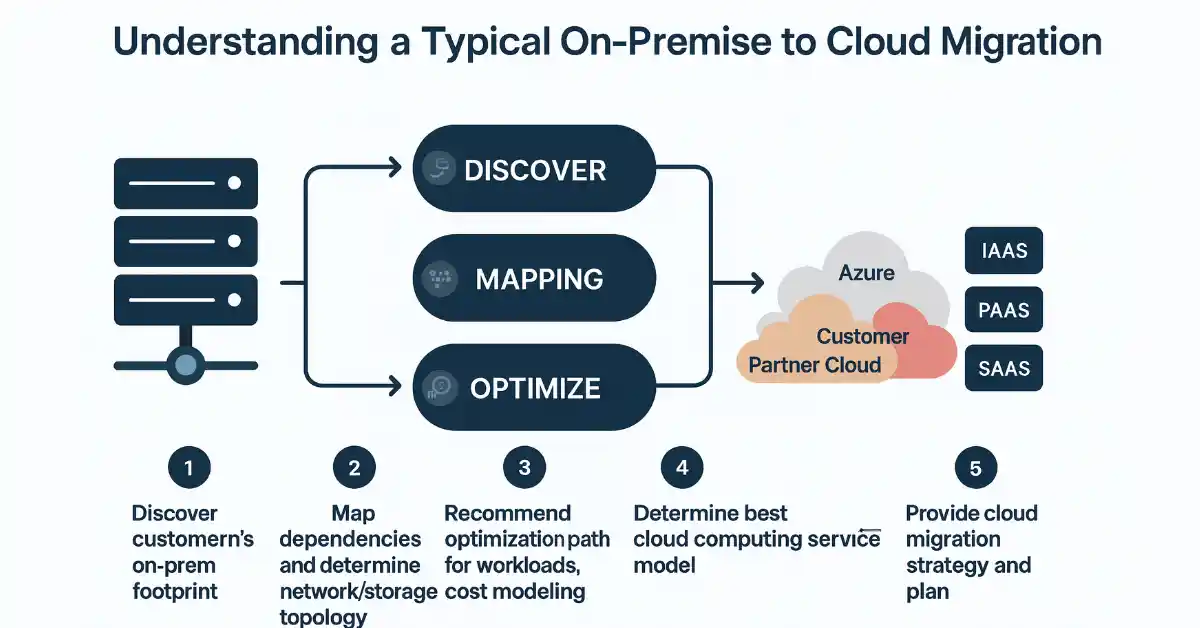
Before airlifting your assets to the cloud, a clear understanding of the environment is crucial. The cloud is more than just a tech buzzword; it’s an expansive ecosystem with different service models like Infrastructure as a Service (IaaS), Platform as a Service (PaaS), and Software as a Service (SaaS). Identify the right model that aligns with your organization’s needs, and you’ll have a co-pilot in efficiency.
In 2026, the cloud landscape has evolved dramatically, driven by rapid adoption and innovation. According to Gartner, 95% of new digital workloads will be deployed on cloud-native platforms by the end of the year, up from 30% in 2021. This shift underscores the importance of choosing between public, private, or hybrid clouds. Public clouds like AWS or Azure offer scalability for startups, while private clouds suit regulated industries like finance. Hybrid models, projected to be used by 90% of organizations by 2027, combine the best of both, allowing seamless data flow.
To stay competitive, businesses must consider emerging trends like edge computing, which brings processing closer to data sources for low-latency applications such as IoT devices. Sustainability is another key factor; green cloud initiatives aim to reduce carbon footprints, with providers like Google Cloud committing to 100% renewable energy. For instance, a retail company migrating to a hybrid setup could integrate edge for real-time inventory tracking, reducing energy use by 20-30% through optimized workloads.
Exploring related concepts, such as the foundational principles of cloud computing, can provide deeper insights into selecting the right model.
Understanding the Benefits of Outsourced Support
The complexities of cloud migration don’t end with the technical aspects; ensuring continuous operational efficiency is equally important. Outsourcing support functions can be a strategic move. Exploring the benefits of outsourced help desk support can reduce the strain on internal resources, provide round-the-clock service, and leverage external expertise to troubleshoot issues swiftly, keeping your cloud operations aloft.
In 2026, outsourcing has become even more vital amid the cloud migration services market’s growth to $383 billion, with a CAGR of 27.68% through 2031. Partners like managed service providers (MSPs) handle compliance with regulations such as GDPR or HIPAA, freeing internal teams for innovation. For example, a mid-sized enterprise might outsource to an MSP for 24/7 monitoring, cutting downtime by 40% and costs by 25%.
Benefits include access to specialized tools like AI-driven analytics for predictive maintenance. However, evaluate vendors based on SLAs, security certifications, and case studies. This approach aligns with multi-cloud strategies, where expertise across AWS, Azure, and Google Cloud is essential.
For more on evolving cloud computing trends, consider how outsourcing fits into broader IT strategies.
Navigating through the Cloud Migration Phases
The voyage to the cloud consists of several phases: initial lift-off with the pilot phase, cruising through the bulk migration, and finally landing smoothly into full operation. Each stage requires meticulous attention and checkpoint assessments to ensure alignment with your overarching flight plan. Remember to be patient. This process shouldn’t be rushed.
Expanding on these phases for 2026, the pilot phase now often incorporates AI tools for workload simulation, predicting performance with 90% accuracy. Bulk migration leverages automation platforms like Azure Migrate, handling petabytes of data efficiently. Full operation includes post-migration optimization using FinOps practices to manage rising cloud bills, expected to exceed $1 trillion globally by 2028.
A phased approach minimizes risks; for instance, Netflix’s gradual migration to AWS allowed iterative improvements, achieving 99.99% uptime. Use migration frameworks from high-authority sources like Gartner’s Cloud Strategy to guide your journey.
Pre-Flight Checks: Assessment and Planning
Every adept aviator knows the importance of pre-flight checks. For cloud migration, this entails a rigorous assessment of your applications, data, and infrastructure. Determine what will migrate and what might retire. Develop a clear migration plan that includes timelines, responsibilities, risk assessment , and a contingency scheme. This blueprint is your flight manual for the journey ahead.
In 2026, assessments integrate AI for dependency mapping, identifying hidden interconnections. Tools like AWS Migration Evaluator provide cost projections, factoring in 2026’s projected 60% enterprise workloads on hybrid clouds. Plan for data sovereignty, especially in multi-cloud setups.
Case study: Adobe’s migration involved retiring legacy apps, saving millions. Include sustainability audits to align with green goals.
Weathering the Storm: Handling Challenges
Turbulence is a natural part of any flight, and cloud migration is no exception. Security concerns, data loss fears, and operational disruptions are the thunderstorms you might encounter. Addressing these challenges head-on with a robust security strategy, thorough data backups, and a detailed change management plan will help you maintain a steady altitude.
By 2026, challenges include AI-related complexities and supply chain vulnerabilities in data centers, with U.S.-centric builds straining grids. Mitigate with zero-trust models and automated backups. Cost overruns are common; FinOps can reduce bills by 30%.
Address the invisible wall between cloud and network to avoid performance issues.
Co-Piloting with Best Practices
Seasoned cloud navigators have charted these skies and left behind a trail of best practices. Prioritize a strong governance structure , leverage automation for consistency, implement continuous monitoring, and cultivate an adaptable crew skilled in new cloud technologies. Heed these practices to cruise through the clouds with finesse.
For 2026, best practices emphasize portability for multi-cloud, with 85% of organizations adopting cloud-first strategies. Use containers like Kubernetes for flexibility. Automation tools reduce migration time by 50%.
Refer to AWS Cloud Migration Guide for proven methodologies.
The Crew’s Training: Upskilling for Cloud Mastery
A well-trained crew is the spine of any successful cloud migration. Continuous learning initiatives and certifications for cloud services and tools empower the workforce. In-depth training sessions and hands-on experience should be mandated to build an in-house team of cloud experts adept at navigating the complexities of cloud technologies.
In 2026, focus on AI and DevOps certifications, as hybrid AI becomes default. Platforms like Coursera offer specialized paths.
Securing the Skies: Advanced Cybersecurity Measures
In an era where cyber threats loom large, ensuring robust security protocols during cloud migration is essential. Proactive measures such as encryption, multi-factor authentication, and network segmentation must be ingrained into the migration process. Regularly updated disaster recovery and incident response plans act as crucial lifelines in case of security breaches.
2026 threats include cloud malware like injection attacks; prevention involves AI-driven threat detection. Explore common types of cloud malware for detailed insights.
Post-Migration Evolution: Embracing Cloud-Native Innovations
Once settled into the cloud, explore the next frontier of innovation with cloud-native solutions. Leveraging serverless computing, containers, and microservices architectures can catapult application development into new realms of efficiency. Building a cloud-native culture paves the way for agile development, allowing for rapid iteration and enhanced scalability in the cloud’s dynamic atmosphere.
In 2026, innovations include industry-specific clouds for healthcare, like cloud-based electronic health records. Serverless adoption grows, with edge integration for 6G networks.
Final Thoughts
Touchdown is not the end but the beginning of a new chapter. Cloud migration is a strategic move that can redefine your business’s trajectory. While the process may involve intricate maneuvering, the view from above promises revolutionary prospects. Navigate with care, anticipate challenges, adapt with agility, and your business will not only reach new heights but also revel in the vast expanse of cloud capabilities. Embrace 2026 trends like AI and multi-cloud for sustained success.
FAQs
How can businesses prepare for cloud migration in 2026?
Start with assessments using AI tools, upskill teams via certifications, and partner with MSPs. Focus on sustainability and multi-cloud strategies. Updated data shows 95% of workloads will be cloud-native, so prioritize governance and automation for a competitive edge.
What is cloud migration?
Cloud migration involves moving data, applications, and IT processes from on-premise servers to cloud environments like AWS or Azure. It enhances scalability and reduces costs, but requires careful planning to avoid downtime. In 2026, AI tools automate much of this, making it accessible for SMEs.
What are the main challenges in cloud migration?
Key challenges include data security risks, potential downtime, and cost overruns. Compatibility issues with legacy systems and skill gaps in teams also arise. Addressing these with robust backups, zero-trust security, and FinOps practices ensures a smooth transition in 2026’s multi-cloud era.
How long does cloud migration take?
Migration timelines vary from weeks for small setups to months for enterprises, depending on data volume and complexity. Pilot phases help test, while automation speeds bulk transfers. In 2026, AI-driven tools can cut times by 50%, but thorough testing is essential for success.
What are the benefits of hybrid cloud migration?
Hybrid models offer flexibility, combining on-premise security with cloud scalability. They reduce costs by 20-30% and support compliance. By 2026, 90% of organizations will use hybrid for resilience against disruptions, enabling seamless workload movement.
Disclaimer: This article offers general guidance on cloud migration based on industry trends and is not a substitute for professional IT consulting. Consult experts for tailored advice, as individual outcomes may vary due to specific business needs and risks.