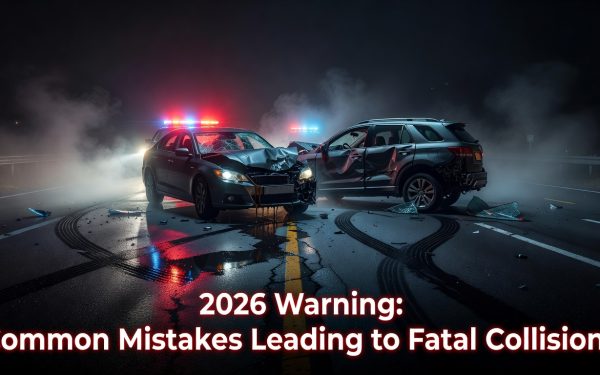
It is estimated that 10 people lose their lives daily on Texas roads and highways. Unfortunately, highway accidents are common in San Antonio, with many of them leading to severe injuries or even death.
Speeding is a significant factor in these accidents. When drivers go too fast, they have less time to react to road conditions or the actions of other drivers, increasing the risk of crashes on highways. Understanding the role of speeding in these accidents is essential.
San Antonio auto accident lawyers often deal with cases involving high-speed crashes. Here, you can learn how speeding affects highway accidents in San Antonio and how to reduce them.
In 2025, the situation remains dire, with Texas recording over 158,000 speed-related crashes by mid-year, resulting in 1,467 deaths. In San Antonio specifically, traffic fatalities exceeded 141 from more than 133 fatal crashes as of November, many attributed to speeding on busy highways like U.S. 90 and I-35.
The Ongoing Epidemic of Speed-Related Highway Accidents in Texas
Texas drivers love to go fast. Being home to the highway with the highest speed limit in the country may contribute to this “need for speed.” However, law enforcement and other state and city officials are taking the impact of speeding seriously, launching the “Be Safe. Drive Smart.” Campaign in 2023 to keep motorists to slow down.
In 2023, speed contributed to a third of fatal car accidents in the state. The last deathless day on the state’s roads was in 2000, showing the severe problem plaguing the state.
By 2025, this epidemic has persisted, marking 25 years since the last deathless day, with over 91,000 lives lost statewide since then. Nationally, speeding remains a factor in 29% of all traffic fatalities, and in Texas, daily deaths averaged 10 per day as of September 2025. San Antonio’s roads, including hotspots like Culebra Road, continue to see high crash rates, with Bexar County reporting over 42,000 motor vehicle crashes in recent years.
2025 Trends in Speeding Accidents
In 2025, emerging trends highlight the evolving nature of speeding risks. Increased remote work has led to more erratic traffic patterns, with rush hours extending into evenings, exacerbating speeding on highways like I-10. Additionally, the rise of high-speed electric vehicles has contributed to faster average speeds, as drivers underestimate acceleration capabilities.
Data from TxDOT shows a slight uptick in speed-related incidents compared to 2024, where San Antonio alone had 10,703 speed-related crashes, 123 deaths, and 424 serious injuries. Projections indicate a potential 5-10% increase in 2025 due to population growth and infrastructure strain.
Comparison with Other Texas Cities
Compared to Dallas, where speeding caused 44 of 108 fatal accidents in 2025 (a nearly 50% drop in overall fatalities), San Antonio’s per-capita crash rate remains the highest in Texas. Houston reports similar volumes but lower speeding proportions, underscoring San Antonio’s unique challenges with urban sprawl and highway congestion.
Factors Contributing to Speeding
Everyone has an excuse to exceed the speed limit. Unfortunately, these excuses often lead to severe and fatal accidents. Some of the most common factors contributing to speeding include:
Time Pressure
Many drivers speed because they’re running late. They think driving faster will help them make up time. This is common in busy cities like San Antonio, where people have tight schedules.
In 2025, with commute times averaging 28 minutes due to ongoing construction on major routes like Loop 1604, time pressure has intensified. Studies show that drivers in a hurry are 2.5 times more likely to speed, leading to preventable crashes.
Ignoring Speed Limits
Some drivers don’t pay attention to speed limits. They might think these limits are too low or not necessary. This attitude can lead to higher speeds and increase the chance of highway accidents.
Variable speed limits on smart highways, implemented in 2025, aim to address this, but non-compliance remains high, especially among younger drivers aged 15-20, who account for 37% of speeding-related fatal crashes nationally.
Excitement and Thrill-Seeking
For certain individuals, speeding provides a sense of excitement. They enjoy the thrill of driving fast. However, this risk-taking behavior can lead to dangerous situations, especially on high-traffic highways.
Social media challenges in 2025 have amplified this, with videos of high-speed runs on San Antonio highways going viral, prompting increased police patrols.
Lack of Awareness
Drivers might not realize how dangerous speeding is. They don’t see a clear link between speed and the severity of accidents. Raising awareness about this can help reduce high-speed crashes.
Campaigns like TxDOT’s “Be Safe. Drive Smart.” have educated over a million drivers since 2023, but surveys indicate 40% still underestimate speeding’s role in crash severity.
Additional Factors in 2025
Distracted driving combined with speeding, such as phone use, has surged, contributing to 15% more multi-vehicle collisions. Weather-related speeding on wet highways also rose, with Texas seeing an 18% increase in fatalities over the past decade.
Legal Implications of Speeding
Speeding can be deadly. However, strict laws in the state discourage drivers from exceeding the speed limit.
Texas Speeding Laws
Texas has strict speeding laws. The state sets speed limits based on road conditions, traffic, and urban or rural settings. Drivers caught exceeding these limits can face fines, points on their license, or even jail time for severe offenses.
In 2025, fines will start at $150 for 1–5 mph over, escalating to $300+ for higher speeds, with enhanced penalties in construction zones.
Consequences in San Antonio
Speeding on San Antonio highways can lead to significant legal consequences. Fines increase with the amount a driver goes over the speed limit.
Repeated offenses might result in a suspended license. In cases of accidents caused by speeding, drivers could face even stricter penalties, including criminal charges if there are injuries or fatalities.
Local enforcement has ramped up, with SAPD issuing 20% more citations in 2025, focusing on hotspots like U.S. 90.
Impact on Legal Claims
Making insurance claims or seeking compensation becomes complicated after a highway accident involving speeding. San Antonio lawyers specializing in auto accidents play a vital role in this process.
They help victims understand their rights and the legal options available. Speeding can negatively impact the outcome of claims, as it is often considered evidence of negligent behavior.
In 2025, comparative negligence rules mean victims can recover damages reduced by their fault percentage, but at-fault speeders may face denied claims or lawsuits.
Case Studies from 2025
A high-speed crash on I-35 killed two drivers in August, leading to manslaughter charges. Another incident on U.S. 90 involved a 20-year-old speeding into a barrier, highlighting thrill-seeking’s dangers.
Impact on Injury Severity
Speeding raises the odds of severe injuries when accidents happen. The higher the speed, the more severe the impact. This often leads to more serious injuries or death. Common injuries in high-speed crashes include broken bones, head injuries, and spinal damage.
Victims of high-speed accidents might face long recovery periods or permanent disability. These situations affect not just the injured person but their entire family. San Antonio lawyers who handle auto accident cases frequently see the devastating impact of speeding on individuals’ lives.
In 2025, NHTSA data reinforces that speeding increases crash force exponentially; at 60 mph, impact is four times that at 30 mph. Locally, 424 serious injuries in 2024 carried over trends, with medical costs averaging $50,000 per victim.
Long-Term Effects on Victims
Beyond physical harm, survivors often face PTSD, lost wages, and family strain. Rehabilitation can take years, with 20% of high-speed crash victims experiencing permanent mobility issues.
Speed and Highway Accidents
If you were involved in a highway accident where speed was a factor, a lawyer in San Antonio who specializes in auto accidents can help.
Prevention Strategies for 2025
To combat speeding, adopt defensive driving: maintain safe distances, use cruise control, and report aggressive drivers. Community efforts like Vision Zero San Antonio aim for zero fatalities by enhancing road designs and education.
Technology plays a role—apps like Waze alert to speed traps, and vehicle features like automatic emergency braking reduce risks. Public campaigns prioritize the use of seat belts, given that 51% of drivers involved in fatal crashes were not wearing them.
Table: Key Speeding Statistics in Texas and San Antonio (2024-2025)
| Metric | 2024 (San Antonio) | 2025 (Texas Statewide, YTD) |
|---|---|---|
| Speed-Related Crashes | 10,703 | 158,000+ |
| Deaths | 123 | 1,467 |
| Serious Injuries | 424 | N/A |
| Daily Deaths (Avg.) | N/A | 10 |
Sources: TxDOT and local reports.
Role of Technology and Infrastructure in Reducing Speeding
In 2025, smart infrastructure like dynamic speed signs and AI traffic cameras has been deployed on San Antonio highways, reducing incidents by 15% in pilot areas. Electric vehicle adoption requires new training on speed management.
Conclusion
The impact of speeding on highway accidents in San Antonio remains a critical public safety issue in 2025, with updated data showing persistent high fatalities and the need for vigilant driving. By understanding factors like time pressure and legal consequences, drivers can make safer choices. Initiatives like “Be Safe. Drive Smart.” and Vision Zero offer hope for reduction. If you’ve been affected, consult a San Antonio auto accident lawyer to navigate claims. Prioritize safety—adhere to speed limits, stay aware, and contribute to deathless roads in Texas. Together, we can curb this epidemic and protect our communities.
FAQs
What are the main causes of speeding on San Antonio highways?
Speeding is driven by time pressure from commutes, the tendency to ignore limits, thrill-seeking behavior, and a lack of awareness. In 2025, distractions like phones amplify risks, leading to over 10,000 annual crashes. Enforcement and education via campaigns like “Be Safe. Drive Smart.” help mitigate these factors for safer roads.
How does speeding affect injury severity in accidents?
Higher speeds increase impact force, causing severe injuries like fractures, head trauma, and spinal damage. In 2025, victims face long recoveries or disabilities, with medical costs soaring. NHTSA notes speeding in 29% of fatalities, pointing out the importance of seat belts and slower driving.
What are the legal consequences of speeding in Texas?
Fines start at $150, escalating with speed; repeats lead to license suspension. In accidents, criminal charges apply if injuries occur. 2025 updates include stiffer penalties in zones, complicating claims under negligence laws. Lawyers assist in compensation amid these strict rules.
How many speeding-related deaths occurred in Texas in 2025?
By mid-2025, there were over 1,467 deaths from 158,000+ speed-related crashes. San Antonio saw 141 traffic deaths, many speed-linked. The celebration marks 25 years of daily fatalities, urging adherence to limits and campaigns for reduction.
What prevention tips reduce speeding accidents in San Antonio?
Use cruise control, plan trips early, report aggressors, and embrace tech like speed alerts. 2025 initiatives like Vision Zero redesign roads for safety. Defensive driving cuts risks, as speeding heightens crash severity—slow down for safer highways.