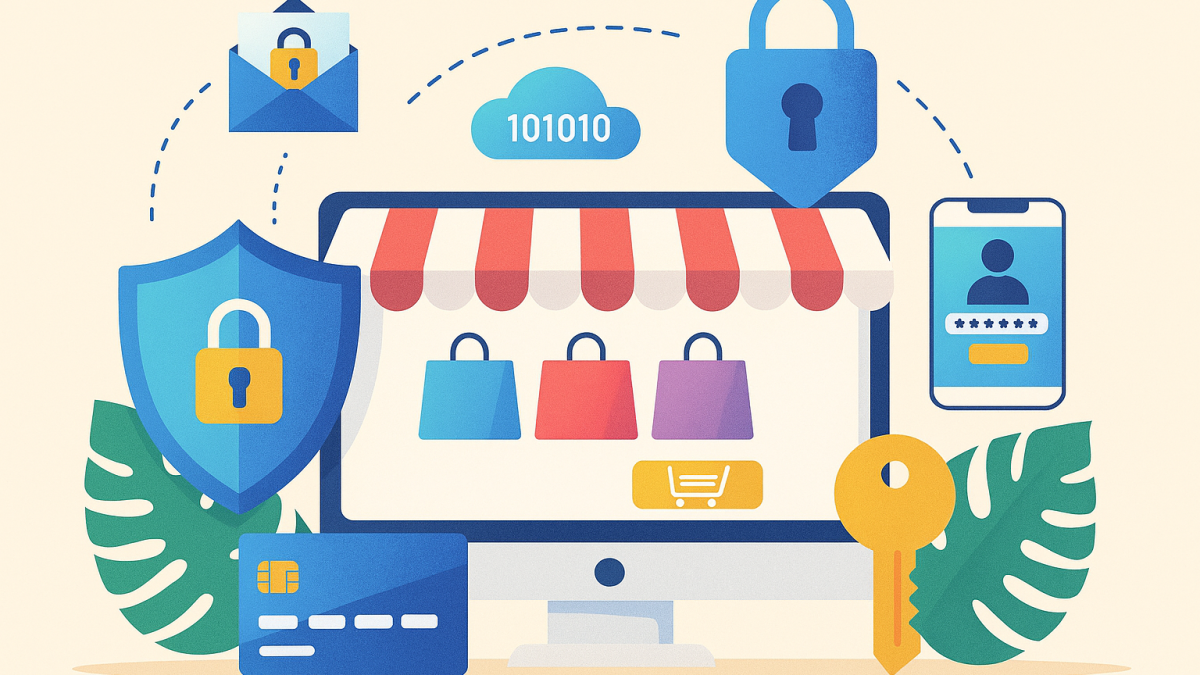
As online shopping continues to expand, cybersecurity has become one of the most critical responsibilities for every e-commerce business. Whether you run a large digital storefront or a small boutique, protecting customer data and maintaining platform integrity are essential to long-term success. Modern cyber threats are sophisticated, and a single vulnerability can damage your reputation, disrupt operations, or expose sensitive information. That’s why building strong cybersecurity management practices is no longer optional — it’s a core business requirement.
Why Cybersecurity Is Essential for Online Retailers
E-commerce websites handle some of the most valuable types of information: names, addresses, payment details, order histories and account access. This makes online shops prime targets for cybercriminals. A successful attack doesn’t just cause temporary downtime; it can break customer trust, trigger financial loss, and expose the company to legal issues. For online brands like Cyber-Techwear, which rely heavily on a global digital audience, secure infrastructure is as important as product quality. Even wellness and lifestyle stores such as Wellness-Dharma depend on strong cybersecurity to maintain customer confidence and smooth day-to-day operations.
The Most Common Threats Facing E-Commerce
Online retailers face a range of digital threats that evolve constantly. Malware, phishing and account takeovers are among the most common, but more advanced risks such as payment-page skimming, database breaches and DDoS attacks can also occur. Because e-commerce systems involve multiple layers — from hosting and payment gateways to plugins and marketing tools — a weakness in any part of the ecosystem can compromise the whole environment. Understanding these risks helps businesses prepare, adapt and strengthen their defenses.
Building a Strong Cybersecurity Foundation
Effective cybersecurity management requires a structured strategy rather than isolated fixes. The foundation begins with secure website architecture, encrypted connections and strict access controls. Using HTTPS across the entire site, setting strong administrative passwords, and enabling multi-factor authentication reduces the risk of unauthorized access. Regular updates and monitoring help prevent issues caused by outdated software or plugins. Establishing these fundamentals ensures your online store is protected at the most critical points.
Best Practices for Day-to-Day Security
Strong cybersecurity depends on consistent habits as much as advanced systems. Training your team to recognize suspicious emails, scams or unusual login attempts is essential, since human error is still one of the biggest vulnerabilities in the online world. Monitoring website activity helps detect irregular behavior early, such as sudden traffic spikes or repeated login failures. Backing up important data ensures that even if something goes wrong, you can recover quickly without major disruption.
- Keep all software and extensions updated
- Use secure payment gateways and encrypted checkout processes
- Create regular data backups stored in safe locations
How E-Commerce Brands Can Stay Ahead of Threats
Cyber threats continue to evolve, which means businesses need to update their security strategies over time. Running routine security audits or vulnerability scans helps identify weaknesses before they can be exploited. Improving authentication for both staff and customers, tightening access to sensitive areas of the site, and maintaining disaster-recovery plans are essential steps for long-term resilience. Brands that invest in cybersecurity early build stronger trust with their customers and maintain smoother operations as they grow.
- Conduct periodic security audits
- Limit staff access to only necessary data
- Maintain an emergency response or recovery plan
How Strong Branding Enhances Trust in E-Commerce Businesses
Building trust has become one of the most important elements of running a successful e-commerce business. With online shoppers facing constant exposure to new brands and new digital storefronts, trust becomes the deciding factor between a completed purchase and an abandoned cart. Strong branding — from visual identity to communication style — plays a crucial role in shaping customer confidence and influencing buying decisions.
Why Trust Defines Online Success
Customers can’t physically touch products, interact with staff, or walk inside a store when shopping online. That means they rely entirely on the website’s visuals, copywriting, brand tone, and user experience. Brands that present themselves clearly and consistently are perceived as more reliable. Whether the business sells advanced streetwear like Cyber-Techwear or wellness products like Wellness-Dharma, a polished brand presence signals legitimacy. When customers feel secure, they return more often and recommend the store to others.
Branding as a Tool for Customer Loyalty
Strong branding does more than create a good first impression — it forms lasting emotional connections. When a brand’s message, visuals and values align, it becomes easier for customers to identify with the business. Over time, this recognition helps create long-term loyalty. Clear structure, consistent messaging and reliable service form a foundation that encourages customers to come back, even in a crowded online market.
- Consistent visuals build recognition
- Clear messaging strengthens identity
- A trustworthy tone improves conversion rates
Conclusion
Cybersecurity management is one of the pillars of a successful e-commerce business. By understanding common threats, strengthening website foundations, and implementing consistent security practices, online retailers can protect both their customers and their brand. Whether it’s a futuristic fashion shop like Cyber-Techwear or a wellness-focused retailer such as Wellness-Dharma, every online business benefits from a proactive approach to digital safety. With the right protections in place, your store can remain trustworthy, resilient and ready for the future of online commerce.