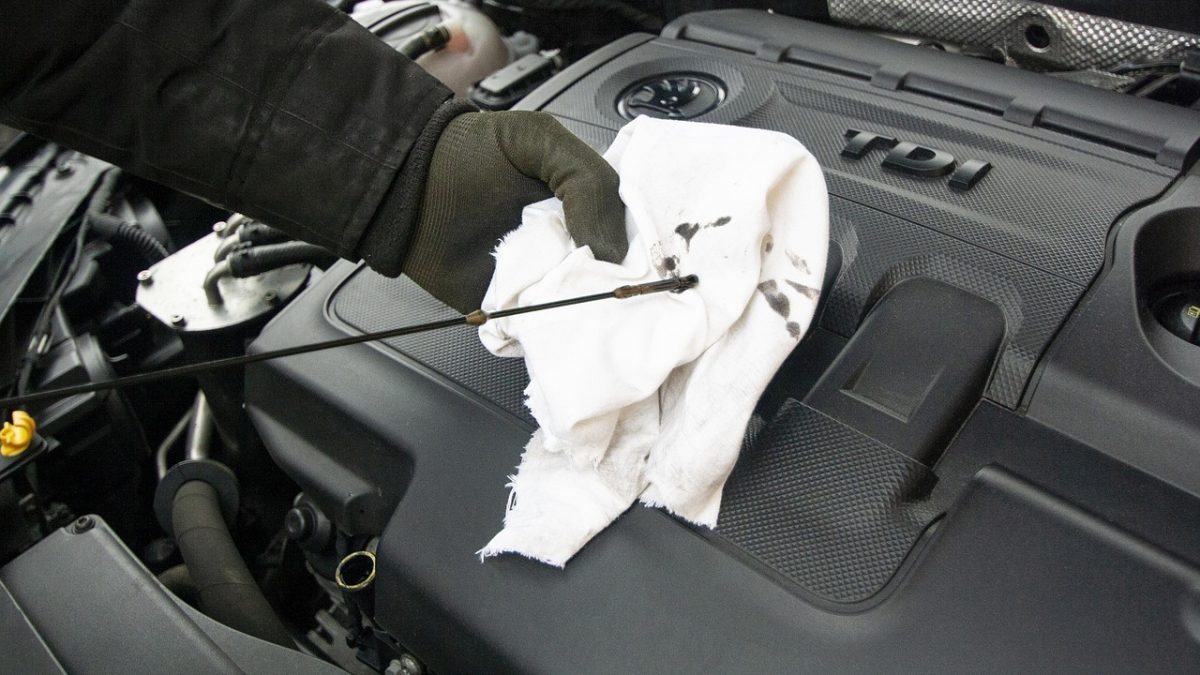
Regular oil changes are one of the most important maintenance tasks for keeping your vehicle in top condition. Engine oil lubricates moving parts, reduces friction, prevents overheating, and protects vital components from wear. Many drivers often ask, how often should I change my oil? Typically, most modern vehicles need an oil change every 5,000–10,000 miles, depending on driving conditions and oil type.
Following the proper oil change schedule helps maintain engine performance, prevents costly repairs, and extends the life of your vehicle. For professional service, visiting a trusted oil change Houston service ensures your oil is changed efficiently and accurately, giving you peace of mind.
Recommended Oil Change Intervals
The frequency of oil changes depends on factors like your vehicle’s make,driving habits, oil type,and driving conditions.Knowing these helps maintain engine performance and prevent damage:
- Type of oil: Synthetic oils typically last longer than conventional oils and may extend the oil change interval.
- Driving conditions: Frequent stop-and-go traffic, dusty roads, extreme temperatures, and short trips may require more frequent oil changes.
- Vehicle age and mileage: Older or high-mileage vehicles often benefit from more frequent oil maintenance.
For most modern vehicles, oil changes are recommended every 5,000–10,000 miles. Always check your vehicle’s owner’s manual and monitor the oil life indicator to determine the best schedule for your car.For professional service, visit oil change near me to ensure accurate and efficient oil changes.
Common Signs Your Vehicle Needs an Oil Change
Keeping track of your oil condition is essential for engine health. Even if you haven’t reached the recommended mileage, your vehicle may exhibit signs that it’s time for an oil change. Recognizing these symptoms early helps prevent costly repairs and ensures your engine runs smoothly.
1. Dirty or Dark Oil
Clean engine oil has a light amber color and smooth consistency. If the oil appears dark, thick, or gritty, it can no longer lubricate the engine effectively. Continuing to drive with old or contaminated oil increases friction, accelerates wear, and can lead to serious engine problems.
2. Engine Noise or Knocking
Low-quality or degraded oil may cause unusual engine noises, such as knocking, ticking, or rattling. These sounds indicate that engine components are not being properly lubricated. Timely oil changes ensure smooth operation, reduce mechanical stress, and extend engine life. For professional assistance, visit Auto Repair Near Me to have your engine checked and maintained efficiently.
3. Oil Warning Light
Most modern vehicles come equipped with an oil warning light or indicator. When this light illuminates, it signals low oil levels or degraded oil quality. Ignoring it can lead to severe engine damage, so it’s important to check your oil immediately and take action as needed.
4. Excessive Exhaust Smoke
Cloudy, dark, or bluish smoke from the exhaust may indicate deteriorated oil or oil burning in the engine. This can affect performance, increase emissions, and signal that an oil change or professional inspection is necessary.
Recognizing these warning signs early allows you to schedule a timely oil change and avoid major engine issues. Regular maintenance, combined with professional inspections, ensures your vehicle stays reliable and efficient on the road.
DIY vs. Professional Oil Changes
Some car owners prefer changing oil at home to save money. While DIY oil changes can be cost-effective, they require proper tools, a safe workspace, and knowledge of the correct procedure. Mistakes such as overfilling, under-tightening the drain plug, or using the wrong oil type can cause engine damage.
Professional oil changes, on the other hand, are safer, faster, and more reliable. Certified technicians can complete a service in roughly 15–20 minutes, including draining old oil, replacing the filter, and refilling with fresh oil. Professionals also inspect other components for leaks or wear, helping prevent potential engine issues.Scheduling an Oil Change service ensures your vehicle receives proper care from experienced technicians.
Factors Affecting Oil Change Costs
The cost of an oil change can vary based on factors like the type of oil, your vehicle’s make and model, labor charges, and any additional services included. Understanding these helps you plan your maintenance effectively:
- Type of oil: Conventional oil costs less ($30–$45) compared to full synthetic ($50–$75).
- Vehicle type: Larger engines or luxury vehicles may require more oil and specialized filters.
- Labor and service fees: Rates vary depending on location and service center.
- Additional services: Optional add-ons like air filter replacement, fluid top-ups, or tire inspections can increase the total cost.
Choosing a trusted service for Oil Change Houston ensures high-quality work and helps you understand why prices may differ.
How to Save on Oil Changes
Even when using professional services, you can take steps to minimize costs.Take advantage of coupons or loyalty programs offered by service centers, compare prices across multiple auto shops, and stick to the manufacturer-recommended intervals to avoid over-servicing. Bundling services with routine inspections can also help save on labor costs. By following these practices, you can protect your engine and ensure it runs smoothly while keeping maintenance expenses reasonable.
Choosing the Right Service Provider
Selecting a reliable and experienced provider is essential for a hassle-free oil change. Certified technicians understand your vehicle’s requirements and perform thorough inspections during service. Regular visits to a trusted auto repair shop help catch small problems early, reducing the risk of breakdowns and expensive repairs.
Whether you drive a compact car, SUV, or luxury vehicle, professional oil change services ensure optimal engine performance, improved fuel efficiency, and longer engine life. Investing in regular oil maintenance today prevents major issues tomorrow.
Keep Your Engine Running Smoothly
Timely oil changes are vital for engine health, fuel efficiency, and overall vehicle performance. Following the recommended schedule, using the correct oil type, and opting for professional service ensures your car remains reliable and safe. By staying proactive with oil maintenance, you save money, avoid costly repairs, and enjoy a smoother, more comfortable driving experience.