Data migration is one of the most difficult as well as risky tasks in the context of IT transformation being conducted in modern enterprises. It does not matter if an organization is transferring its data to the cloud, updating its outdated systems, or merging data from two or more locations after a merger; even the slightest mistakes during migration can result in data loss, improper usage of the data, and even non-compliance with regulations.
This is the reason organizations choose data migration consulting experts in order to have a smooth transaction through planning, the migration process, and the verification of the data. The help of experienced consultants is essential in reducing the risk through the application of recognized methodologies, aligning the technical decisions with the business goals, and making sure that the data is accurate, secure, and usable during the transition. The right depth of handling gives migration not only the character of a technical task but also the quality of a foundation for long-term digital growth.
What Is Data Migration Consulting? Scope and Responsibilities
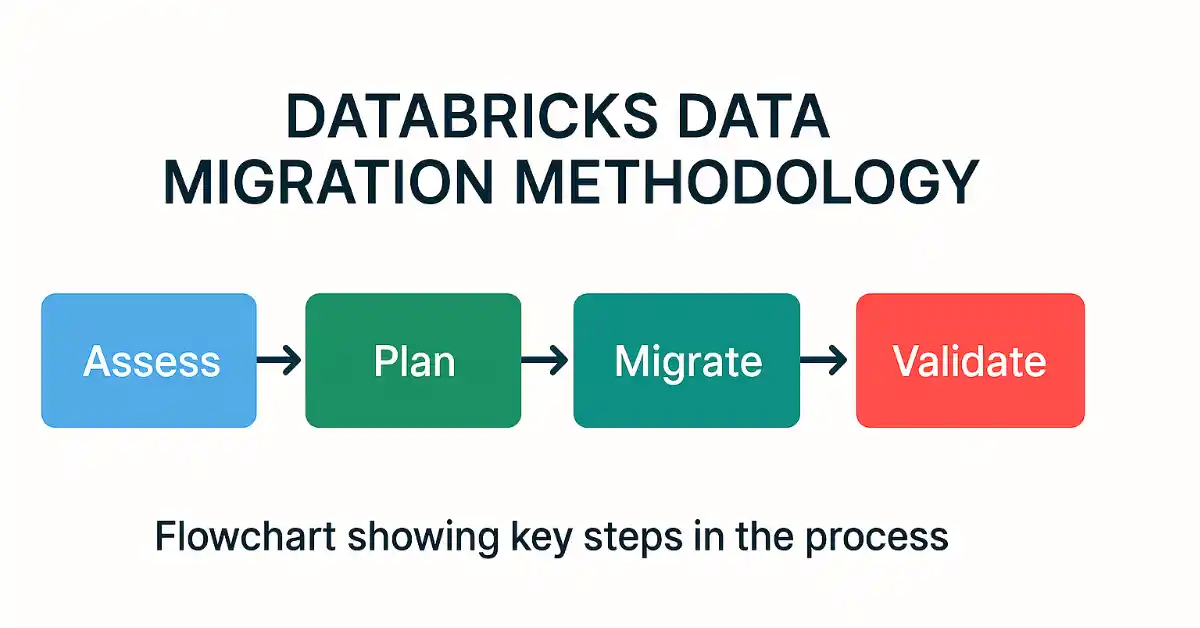
Migration Assessment and Planning
The consultants start by:
- Examining source systems alongside their data structures
- Finding problems with data quality and redundancies
- Figuring out the migration scope, priorities, and dependencies
The assessment leads to fewer issues being caused later in the project.
Architecture and Platform Selection
One of the main responsibilities of consulting is to help companies:
- Pick target platforms that can grow and deliver performance
- Create migration-friendly architectures
- Have data storage and access patterns suitable for future use cases
Data Transformation and Validation
Migration is the process that often includes transforming data to conform to new schemas or standards. The consultant ensures:
- The business rules are applied uniformly
- Evident data integrity
- The validation checks are done to confirm the accuracy and completeness of the data
Post-Migration Support and Optimization
The consulting support after the go-live consists of:
- Performance analysis and tuning
- Problem fixing
- Sharing of knowledge and documentation
Types of Data Migration Projects
Cloud Migration
Companies move their data from local systems to cloud platforms to get better scaling, flexibility, and lower costs. Such projects usually have a lot of data and high-security demands.
Platform or System Migration
This means either replacing or upgrading enterprise systems like ERP or CRM platforms, where data consistency and business continuity are of utmost importance.
Data Warehouse and Analytics Migration
The migration of analytical platforms demands careful treatment of the historical data, reporting logic, and performance optimization to avoid the disruption of the decision-making process.
Application and Database Migration
People who modernize applications often migrate databases along with application logic, thus increasing the need for coordination and testing.
Core Best Practices for Data Migration Consulting
Define a Clear Migration Strategy
The consultants assist the companies in selecting the right method, for instance:
- Migration in stages to minimize risk
- Running both systems in parallel to check the accuracy of the results
- Business-oriented ranking of crucial data sets
A clear strategy makes the technical execution fit with the operational needs.
Design a Target-State Architecture
Instead of copying the designs of the past, the consultants give full attention to:
- Architecture that is scalable and modular
- Performance that is optimized for future workloads
Safety and regulatory control
This supports the migrated environment in achieving long-term objectives.
Implement Strong Data Governance
Governance is a critical part of the migration process. The best practices are:
- Precisely assigning data ownership
- Setting out data quality parameters
- Keeping track of and documenting data
Governance that is strong increases confidence in the data that has been migrated.
Automate Wherever Possible
The consulting teams frequently take advantage of:
- Pipelines of automated ETL or ELT
- Scripts for data validation and reconciliation
- Processes of deployment that are repeatable
Tools and Technologies Commonly Used in Data Migration
Data migration of modern times needs a set of technologies that are wide-ranging rather than a single solution.
Common categories of data migration tools are:
- Data extraction and integration platforms
- Transformation and orchestration frameworks
- Data quality and profiling solutions
- Security and access management technologies
Professionally skilled consultants are selecting and mixing tool sets according to project size, data intricacy, and legal restrictions.
Risk Management and Compliance in Data Migration
Security and Data Protection
Sensitive data protection is one of the most critical things. Recommendations are:
- Data encryption during its movement and storage
- Implementing access controls based on user roles
- Employing secure data transfer methods
Regulatory and Compliance Considerations
Consultants make it easier for organizations to handle:
- Rules and regulations that vary from industry to industry
- Data locality and retention policies
- Audit and traceability requirements
Business Continuity and Minimizing Downtime
Consultants prepare for disruptions by planning for:
- Rollback and recovery scenarios
- Running both systems in parallel during the transition
- Setting up controlled cutover windows
Success Measurement: KPIs for Data Migration Projects
Having clear metrics will indicate if a migration was successful or not.
Some of the most common KPIs are:
- Data integrity and completeness after migration
- Count and severity of migration errors
- System throughput measured against benchmarks
- Downtime during cutover
- User satisfaction and level of usage
How to Choose the Right Data Migration Consulting Partner
The first criterion is proven experience in conducting such migrations. Secondly, the migration partner should have a wide range of expertise in various platforms, cloud environments, and industries. As a third one, the migration should be done through a structured methodology supported by automation. A partner should also possess strong security and compliance practices as a fourth point. Finally, the communication standards and documentation should be clear.
Companies that want to have comprehensive data migration consulting services should choose partners that have the technical depth, along with the strategic thinking. One of the reasons why N-iX is among the best is its structured, risk-aware approaches that make complex enterprise migrations possible.
The Future of Data Migration Consulting
Data migration consulting remains a constantly evolving field that keeps up with the data modernization trends.
Among the developments that can be expected to be seen in the future are:
- Automation and AI-based data validation are becoming more prevalent.
- Continuous migration models for hybrid environments will be developed.
- Data quality and governance will be the emphasis area.
- Migration will be viewed as part of the ongoing platform evolution.
Conclusion
Data migration should not be seen as a technical prerequisite but rather as a chance to elevate data quality, performance, and governance. By adhering to best practices and availing experienced consultants, companies will eliminate risks while creating an environment that is conducive to innovation.
FAQs
What is data migration consulting?
Data migration consulting involves specialists assisting businesses in planning and executing the transfer of data between systems, like from legacy on-premise setups to modern cloud environments. It includes assessing needs, selecting tools, ensuring data integrity and security, minimizing downtime, and providing post-migration support. This service helps avoid common pitfalls, optimizes performance, and aligns with business goals for a smooth transition.
What are the key benefits of data migration consulting?
Key benefits include reduced risk of data loss or corruption, faster implementation with expert strategies, cost savings through efficient processes, enhanced data security compliance, and minimal business disruption. Consultants offer tailored approaches, such as ETL expertise and change management, enabling scalability and improved system performance post-migration. Overall, it provides a competitive edge by modernizing data infrastructure.
What challenges does data migration consulting address?
It addresses challenges like data incompatibility between systems, high downtime risks, security vulnerabilities during transfer, complex mapping of large datasets, and integration issues. Consultants mitigate these through thorough assessments, pilot testing, and robust methodologies, ensuring accurate validation and training for teams to handle the new environment effectively without operational halts.
How does the data migration process typically work?
The process starts with discovery and assessment of existing data, followed by strategy development, including tool selection and planning. Then comes a production pilot for testing, and full execution with data transfer and validation. Consultants monitor for issues, ensure compliance, and offer training, resulting in seamless integration and optimized performance in the target system.
When should a business seek data migration consulting?
Businesses should seek it during mergers, system upgrades, cloud shifts, or when facing data growth challenges. It’s ideal if internal teams lack expertise in handling complex migrations, to prevent costly errors. Early involvement ensures a customized plan that aligns with timelines, budgets, and regulatory needs, ultimately supporting long-term data management efficiency.