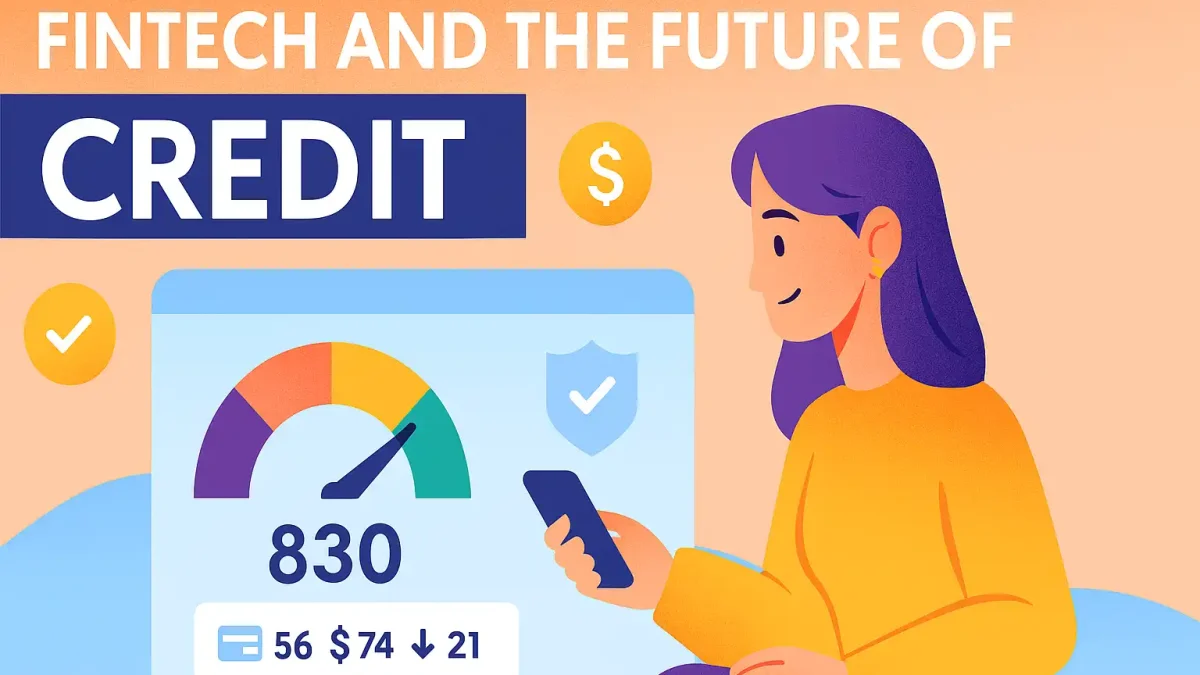
If you have ever felt confused by how credit scores work, you are not alone. Many young adults have grown up hearing how important credit is, but not how it actually functions. For years, banks made credit information difficult to access or understand. That made it difficult for people to know what lenders looked for or how to improve their financial standing.
Today, things look entirely unique. Financial technology, or fintech, is changing how we view and manage credit. It is giving people the ability to track, understand, and even build credit in simple ways. For Millennials and Gen Z, this shift has made financial control more achievable than ever. Through fintech apps and online platforms, credit has become clearer, faster, and easier to manage.
1. The Shift Toward Simpler, Smarter Credit Tools
Traditional banks often made credit feel intimidating. Getting updates on your credit score meant ordering reports or paying for access. Understanding why your score changed required patience and guesswork.
Fintech companies have simplified that process. Many apps now show credit details in real time. You can open your phone and see your score, credit utilization, and debt balance in seconds. You also get updates on what affects your credit, such as on-time payments or new loan applications.
Fintech tools integrate seamlessly with modern banking habits. Many users also link their savings or online checking accounts to these fintech apps to get a complete picture of their finances in one place. That simple connection helps people manage spending, saving, and borrowing more easily.
Transparency is the biggest improvement. Instead of wondering how lenders view your financial health, you can see it directly in your dashboard. The information is clear, easy to read, and available anytime you need it. This change is helping a younger generation of consumers feel confident about credit instead of anxious.
2. Credit Monitoring Made Easy
Checking your credit score used to feel like a hassle. You had to wait for mailed reports or pay for premium services. Fintech has removed those barriers. Apps like Credit Karma, SoFi, and Mint let you check your credit score for free whenever you want.
These platforms also send instant alerts. If a lender checks your credit or a new account appears, you know right away. This kind of visibility helps users react quickly to possible fraud or errors. They can dispute issues before they cause long-term harm.
Constant access also makes credit improvement more realistic. When people can see the direct results of paying bills on time or lowering balances, they stay motivated. For Millennials and Gen Z, this immediate feedback fits perfectly with their digital habits and short feedback cycles.
3. Alternative Data and Fairer Credit Decisions
One of the most important advances in fintech is the use of alternative data. Traditional lenders often base decisions on long credit histories and specific financial behaviors. That system omitted younger people who had little or no credit record.
Fintech companies take a broader approach. They use information like rent payments, subscription services, and utility bills to evaluate creditworthiness. This shift gives people a chance to prove their reliability even if they have never had a credit card or major loan.
This shift is relevant for fairness. Many people with excellent financial habits could not qualify for loans simply because they lacked traditional credit experience. Fintech lending models help close that gap. They open access to credit for responsible consumers who were previously overlooked.
4. Education and Financial Literacy Built In
Fintech platforms do more than track scores. They teach users how credit works in simple, useful ways. Many apps include quick lessons, tips, and personalized suggestions.
For example, if your score drops, you might see a note explaining why. If you pay down a loan, the app might show how that boosts your credit health. These small insights help users understand the cause and effect behind their actions.
Millennials and Gen Z value this kind of learning. They do not want long guides full of jargon. They prefer short, clear explanations that fit into their daily routines. Fintech companies understand that, and they design their apps to make financial literacy easy to absorb.
This approach builds better long-term habits. Users learn as they go, and that knowledge helps them make smarter decisions about borrowing, saving, and spending.
5. The Role of Transparency in Building Financial Confidence
For many years, credit felt like a hidden system. People applied for loans without knowing why they might get approved or denied. Fintech has changed that. Many digital lenders now explain their decisions clearly. Users can see which factors helped or hurt their chances.
This transparency helps people feel more in control. If they are denied, they know what to improve next time. If they are approved, they understand what worked in their favor. That feedback builds confidence and reduces frustration.
Younger consumers appreciate honesty from financial institutions. When fintech platforms share clear reasoning and avoid confusing terms, users feel respected.
6. What the Future Looks Like for Credit and Fintech
Fintech is still growing fast, and its impact on credit will continue to expand. Artificial intelligence is becoming more advanced at analyzing financial data. It can now predict risks and recommend personalized solutions based on spending behavior.
Open banking is another major development. It allows consumers to share financial data securely between apps and banks. This creates a more connected view of credit, savings, and debt. It also helps lenders make faster and fairer decisions.
Data security will remain a top priority. As credit transparency increases, fintech companies will keep improving encryption and privacy features. Young consumers are careful about who they share their data with, so trust will remain essential.
The future will likely bring even more customization. People will receive credit insights tailored to their goals and lifestyle. This kind of personal connection makes financial management less about guessing and more about informed decision-making.
Credit once felt complicated and out of reach, but fintech has changed that story. By turning credit tracking and education into easy, accessible tools, fintech has made the system more open and fair. Millennials and Gen Z now are empowered to see how credit works and how to use it responsibly.
As fintech continues to grow, the link between technology and financial confidence will only get stronger. The more people understand their credit, the better they can shape their future. With fintech leading the way, a transparent and inclusive financial world is no longer a distant idea. It is already here.
Disclaimer: This article is for informational purposes only and does not constitute financial advice. Credit scores and lending decisions vary by individual circumstances and lender policies. Consult a financial professional for personalized guidance. Data and trends referenced are based on publicly available reports as of December 2025 and may change. The author and publisher are not responsible for any actions taken based on the information provided in this content.