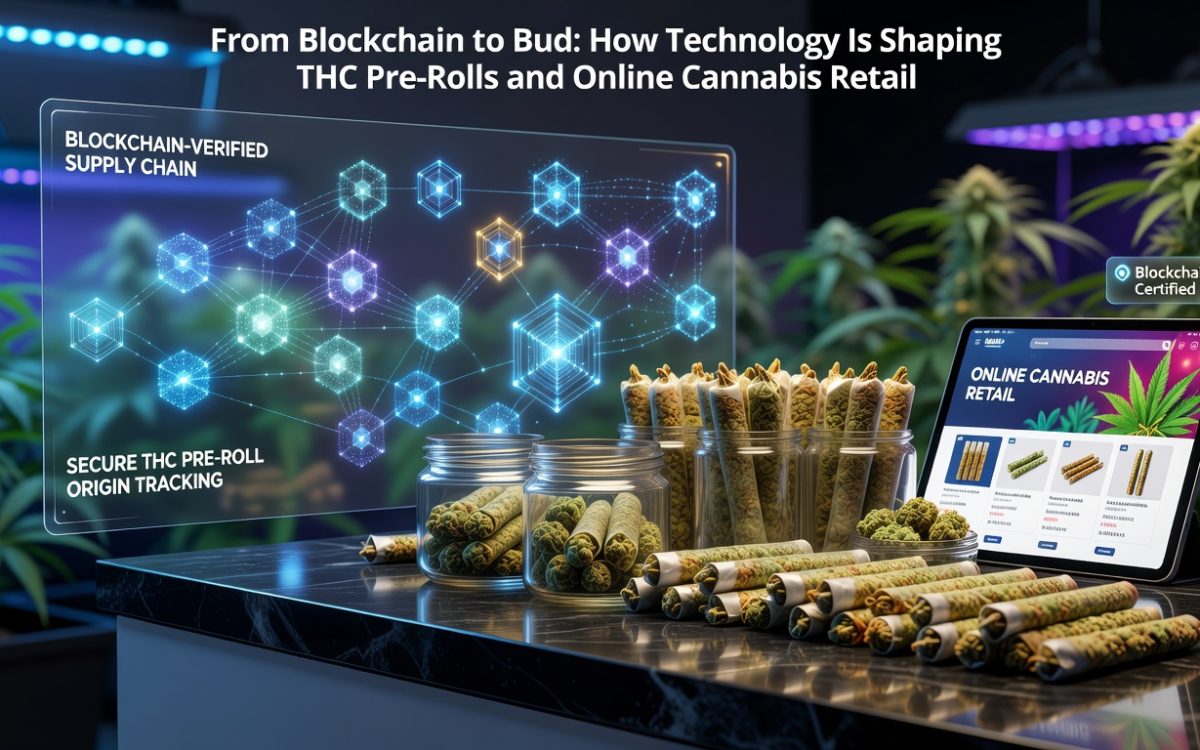
The cannabis industry has undergone a dramatic transformation over the past decade, evolving from a largely underground market into a sophisticated, tech-driven ecosystem. As legalization expands across regions, cannabis brands are increasingly adopting modern technologies to improve transparency, security, and customer experience. Among the most notable beneficiaries of this shift are THC pre-rolls—once considered a simple product, now part of a highly optimized digital retail landscape.
From blockchain-backed supply chains to secure e-commerce platforms, technology is redefining how consumers discover, purchase, and trust cannabis products online. This convergence of innovation and regulation is not only legitimizing the market but also aligning it with the expectations of today’s tech-savvy consumers.
The Digitization Of Cannabis Retail
The rise of online cannabis retail mirrors broader e-commerce trends but comes with unique challenges. Age verification, regional compliance, and payment restrictions require platforms to implement more advanced systems than typical online stores.
Modern cannabis retailers now rely on robust backend technologies that handle identity verification, secure transactions, and inventory management in real time. These systems ensure compliance with local laws while offering a seamless user experience.
For consumers, this means browsing THC pre-rolls is no longer limited to in-store visits. Instead, detailed product descriptions, lab results, and user reviews are accessible with a few clicks. Brands like Mood exemplify this shift by offering curated selections of pre-rolls through streamlined digital storefronts, making access both convenient and informative.
Blockchain And Supply Chain Transparency
One of the most promising technologies impacting cannabis retail is blockchain. Known primarily for its role in cryptocurrency, blockchain is now being used to bring transparency and traceability to cannabis supply chains.
Every stage of a product’s lifecycle—from cultivation and processing to distribution—can be recorded on an immutable ledger. This ensures that THC pre-rolls are sourced, handled, and delivered according to strict regulatory standards.
For consumers, blockchain-backed tracking provides confidence. They can verify where a product was grown, how it was tested, and whether it meets quality benchmarks. In an industry where trust is paramount, this level of transparency is a game-changer.
From a business perspective, blockchain reduces fraud, minimizes errors in reporting, and simplifies compliance audits. It’s a powerful example of how emerging technologies can solve real-world problems in regulated industries.
Cybersecurity In Online Cannabis Platforms
As cannabis retail moves online, cybersecurity becomes a critical concern. Cannabis businesses handle sensitive customer data, including personal identification and payment information, making them potential targets for cyberattacks.
To mitigate these risks, companies are investing in advanced security measures such as end-to-end encryption, multi-factor authentication, and secure cloud infrastructure. These tools protect both the business and its customers from data breaches and unauthorized access.
Additionally, compliance with data protection regulations—such as GDPR or region-specific privacy laws—adds another layer of complexity. Cannabis platforms must ensure that their systems not only function efficiently but also adhere to strict security standards.
This intersection of cannabis and cybersecurity is particularly relevant for tech-focused audiences, as it highlights how digital risk management practices are being applied in emerging industries.
Data-Driven Product Development
Technology is also influencing how THC pre-rolls are developed and marketed. Through data analytics, companies can track consumer preferences, purchasing behavior, and product performance.
This data-driven approach allows brands to refine their offerings. For example, insights into strain popularity, potency preferences, or flavor profiles can guide product innovation. Instead of relying solely on intuition, companies can make informed decisions backed by real-world data.
Machine learning algorithms can even predict trends, helping businesses stay ahead of market demand. This level of precision was unimaginable in the early days of cannabis retail, but it’s quickly becoming the norm.
For consumers, this translates into better products tailored to their needs—whether they’re seeking relaxation, creativity, or wellness benefits.
The Role Of Automation And AI
Automation and artificial intelligence (AI) are further streamlining operations in the cannabis sector. From automated inventory systems to AI-powered customer support, these technologies enhance efficiency and scalability.
Chatbots, for instance, can guide customers through product selections, answer common questions, and provide recommendations based on user preferences. This improves the shopping experience while reducing the workload on human staff.
On the operational side, AI can optimize supply chain logistics, forecast demand, and detect anomalies in transactions. These capabilities are especially valuable in a regulated industry where accuracy and compliance are critical.
Automation also extends to cultivation and production. Smart sensors and IoT devices monitor environmental conditions such as temperature, humidity, and light, ensuring consistent quality in cannabis products, including pre-rolls.
Secure Payments And Financial Innovation
One of the longstanding challenges in cannabis retail is payment processing. Due to regulatory complexities, many traditional financial institutions are hesitant to work with cannabis businesses.
This has led to the adoption of alternative payment solutions, including cryptocurrency and blockchain-based payment systems. These methods offer secure, decentralized transactions that bypass some of the limitations of traditional banking.
While not yet mainstream, these innovations are gaining traction and could play a significant role in the future of cannabis e-commerce. They also align with broader fintech trends, making cannabis retail an interesting case study for financial innovation.
Consumer Education Through Technology
Technology is not just transforming operations—it’s also empowering consumers. Educational content, interactive tools, and digital resources help users make informed decisions about THC pre-rolls.
Online platforms often include lab reports, cannabinoid breakdowns, and terpene profiles, allowing consumers to understand exactly what they’re purchasing. Some even offer augmented reality (AR) experiences or interactive guides to enhance product discovery.
This emphasis on education builds trust and fosters a more informed customer base. In a market where misinformation can be prevalent, access to accurate, transparent information is invaluable.
The Future Of Tech-Driven Cannabis Retail
As technology continues to evolve, its impact on THC pre-rolls and cannabis retail will only deepen. Innovations such as decentralized marketplaces, advanced AI personalization, and enhanced regulatory tech (RegTech) are likely to shape the next phase of the industry.
We may also see greater integration between physical and digital experiences, such as smart dispensaries or app-connected products. These developments will further blur the line between traditional retail and tech-enabled commerce.
For cannabis businesses, staying competitive will require continuous investment in technology. For consumers, it means a safer, more transparent, and more convenient way to access products.
Conclusion
The intersection of blockchain, cybersecurity, and e-commerce is transforming the cannabis industry in profound ways. THC pre-rolls, once a simple product category, are now part of a sophisticated digital ecosystem driven by innovation and data.
As technology reshapes every aspect of the supply chain—from cultivation to consumer purchase—it is setting new standards for transparency, security, and user experience. For both businesses and consumers, this evolution represents not just progress but a fundamental shift in how cannabis is produced, sold, and understood in the digital age.
