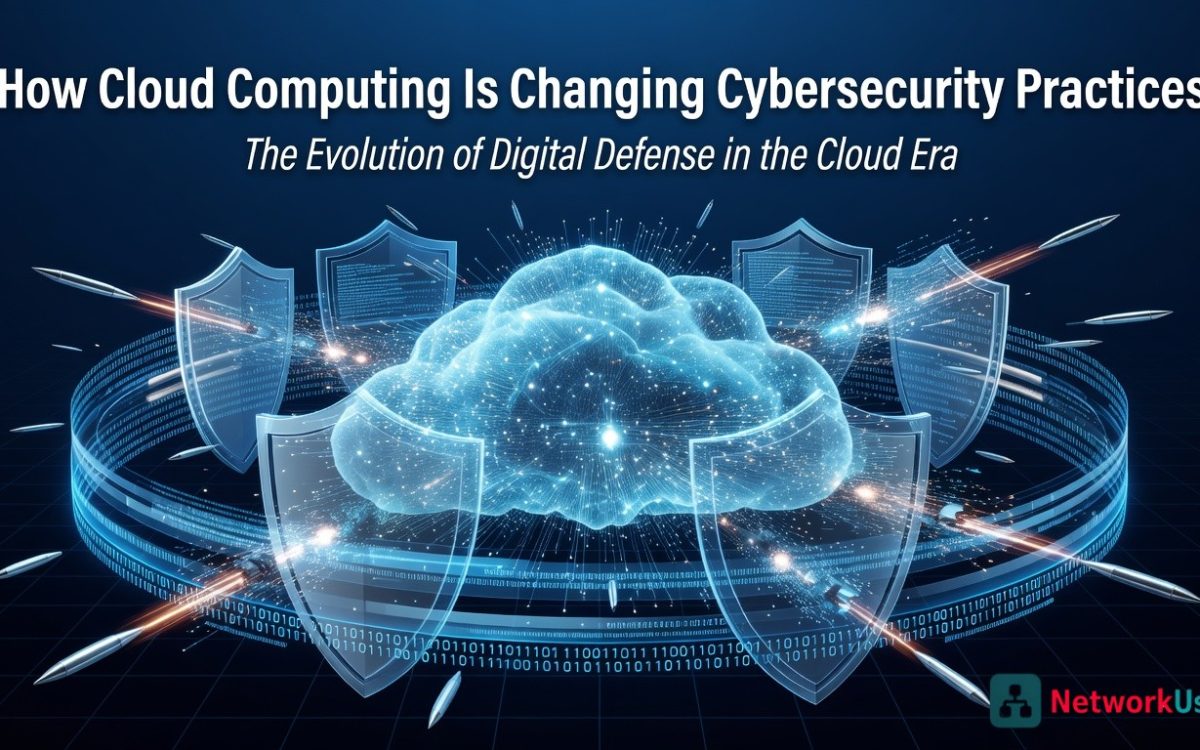
Cloud computing has become the backbone of modern digital infrastructure. Organizations are moving away from traditional on-premise systems to cloud platforms that offer flexibility, scalability, and faster deployment. This shift has improved operational efficiency, but it has also introduced new cybersecurity challenges that require a different approach to protection.
Unlike legacy systems, cloud environments operate across distributed networks without fixed boundaries. In regions where institutions contribute to cybersecurity research and education, the demand for skilled professionals continues to rise.
As businesses adopt cloud solutions, security responsibilities become more complex. Teams must now manage access, data protection, and compliance across multiple platforms. This growing complexity has created a need for advanced cybersecurity knowledge, encouraging many professionals to pursue specialized education to stay competitive and effectively secure cloud-based systems.
The Shared Responsibility Model: Understanding Security Ownership in the Cloud
Cloud security depends on a shared responsibility model that divides duties between providers and users. Providers secure the infrastructure, while customers must protect their data, applications, and access controls. Misunderstanding this model can lead to serious vulnerabilities.
As cloud systems grow more complex, professionals need deeper expertise to manage security effectively. At the same time, many of these professionals are already working in fast-paced tech roles, which makes flexible learning increasingly important. Because of this, more individuals are choosing advanced education paths such as a Master of Science in Cyber Security online, to develop specialized skills while continuing to gain real-world experience.
Alongside this growing demand for expertise, misconfigurations remain a major risk in cloud environments. For example, exposed storage or poorly secured APIs can create easy entry points for attackers. To reduce these risks, organizations must prioritize regular audits and clearly define security responsibilities across teams.
Strong collaboration between teams is equally important. Security, development, and operations must work together to ensure that responsibilities are clearly defined and consistently managed.
Identity and Access Management (IAM): The New Security Perimeter
In cloud environments, identity has replaced the traditional network perimeter. Security now depends on verifying who is accessing resources and what permissions they have. IAM systems play a central role in enforcing these controls. This shift makes user identity one of the most critical security layers in modern cloud architecture.
The principle of least privilege is critical. Users should only have access to what they need to perform their tasks. This reduces the risk of both accidental exposure and malicious activity.
Modern IAM solutions include multi-factor authentication, single sign-on, and continuous monitoring. These features help detect unusual behavior and strengthen access control. With proper IAM practices, organizations can maintain visibility and reduce security risks.
Serverless Security and Containerization Risks
Serverless computing and containerization have improved how applications are built and deployed. However, they also introduce new security challenges that require attention. These technologies demand a shift toward more granular and code-focused security strategies.
Containers share system resources, which increases the risk if one becomes compromised. Proper isolation, secure images, and regular vulnerability scans are necessary to reduce this risk.
Serverless environments shift security responsibility toward the application layer. Developers must focus on secure coding and proper API configuration. Continuous monitoring is essential for detecting threats early and protecting sensitive data.
Automated Threat Detection and AI-Driven Response
Cloud environments generate massive amounts of data every second. Manually analyzing this data is no longer practical. Organizations now rely on automated tools powered by artificial intelligence to quickly and accurately identify threats. These tools are becoming essential for maintaining real-time visibility across complex systems.
These systems track behavior patterns and flag unusual activity in real time. Instead of reacting after damage occurs, teams can respond immediately. This shift has reduced detection time and improved overall security posture.
Automation also supports faster incident response. Security orchestration tools help teams contain threats, investigate issues, and apply fixes without delays. This level of efficiency is essential in dynamic cloud environments where risks evolve constantly.
Data Encryption: Protecting Information at Every Stage
Data encryption plays a critical role in cloud security. It ensures that sensitive information remains protected whether it is stored or being transmitted between systems. Encryption acts as a fundamental safeguard against unauthorized data access.
Strong encryption standards prevent unauthorized access, even if data is intercepted. Organizations must also manage encryption keys carefully to avoid creating new vulnerabilities. Secure key storage and regular rotation are essential practices.
End-to-end encryption strengthens protection across the entire data lifecycle. Combined with zero-trust principles, it ensures that data is never exposed in plain form. This approach helps organizations maintain confidentiality and trust.
Compliance and Regulatory Challenges in Decentralized Environments
Cloud computing introduces new compliance challenges. Data is often stored across multiple regions, each with its own legal and regulatory requirements. This complexity makes regulatory alignment more difficult for organizations operating globally.
Organizations must follow standards such as GDPR, HIPAA, and other industry regulations. This requires clear policies on data handling, storage, and access. Failure to comply can lead to legal and financial consequences.
Continuous monitoring and auditing are necessary to maintain compliance. Cloud-native tools can help track data usage and generate reports. These tools make it easier to meet regulatory expectations while managing complex environments.
The Shift Toward Zero Trust Architecture
Zero-trust architecture has become a key strategy in cloud security. It operates on the idea that no user or system should be trusted by default, regardless of their location. This approach aligns well with the distributed nature of cloud environments.
Access is granted only after verification through multiple checks. This includes identity validation, device security, and behavioral analysis. These layers reduce the risk of unauthorized access.
Network segmentation is another important aspect of zero trust. It limits attackers’ movement within a system. Even if a breach occurs, the impact can be contained and managed effectively.
Securing the Future of Cloud Environments
Cloud computing has reshaped cybersecurity into a more proactive and continuous process. Organizations can no longer rely on fixed boundaries or traditional defenses. This shift requires a stronger focus on adaptability and resilience.
Modern security depends on strong identity controls, automation, encryption, and compliance strategies. Each element plays a role in protecting data and maintaining trust in digital systems.
As technology continues to evolve, ongoing learning and strategic planning remain essential. Businesses that invest in advanced skills and adaptive security practices will be better prepared to handle future challenges.