TL;DR
- Accurate costing protects your margins and cash flow.
- Break down costs into material, labour, equipment, overheads and contingencies.
- Track direct and indirect expenses separately.
- Use historical data and real-time accounting reports.
- Adopt TallyPrime’s Accounting Software to manage job costing and financial control efficiently.
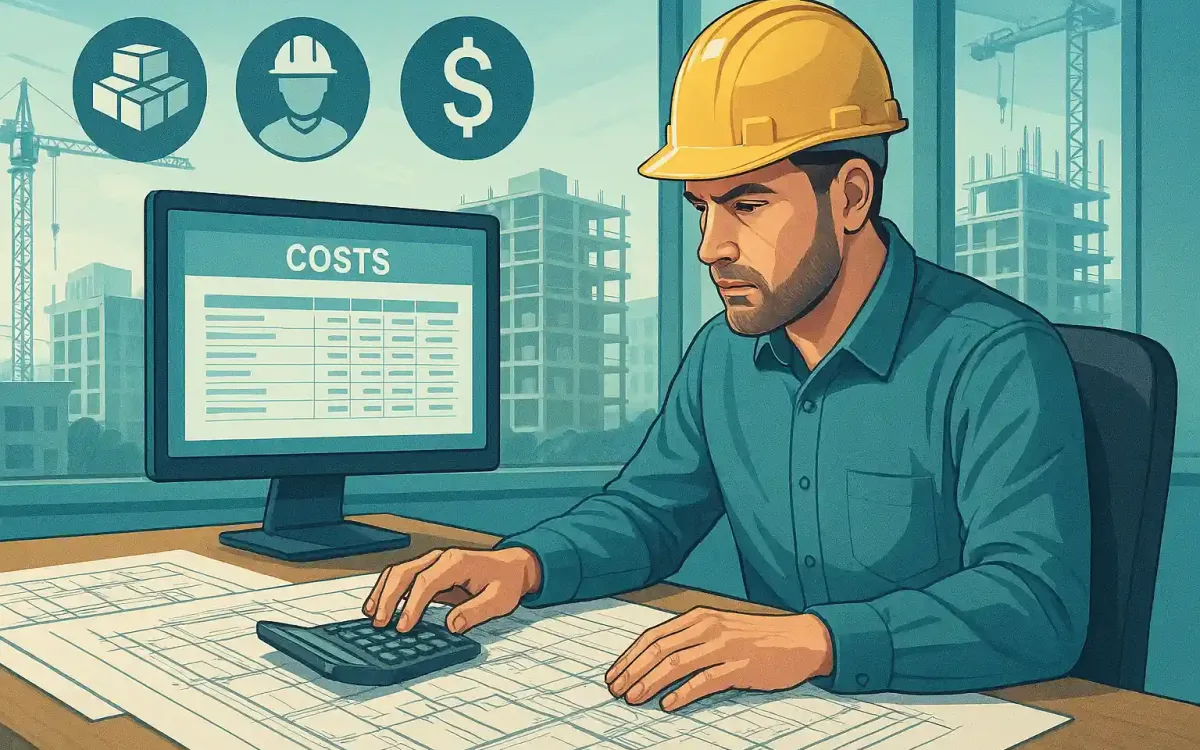
Accurate project costing decides whether you make a profit or face losses. As a contractor, you deal with fluctuating material prices, labour shortages, site delays and compliance costs. A small estimation error can wipe out your margins. If you want predictable profits and better control over cash flow, you need a structured costing system. This guide explains how you can prepare accurate project estimates and manage them effectively using the right tools.
Why Accurate Costing Matters
Cost estimation is not guesswork. It is a structured financial process. When you estimate correctly, you:
- Protect your profit margin
- Avoid disputes with clients
- Improve cash flow planning
- Reduce project delays due to fund shortages
- Strengthen your credibility
In construction, even a 3–5% miscalculation can turn a profitable project into a loss-making one.
Step-by-Step Guide to Creating Realistic Project Estimates
Follow the steps mentioned below to forecast your project estimates accurately:
Step 1: Break Down the Project Scope Clearly
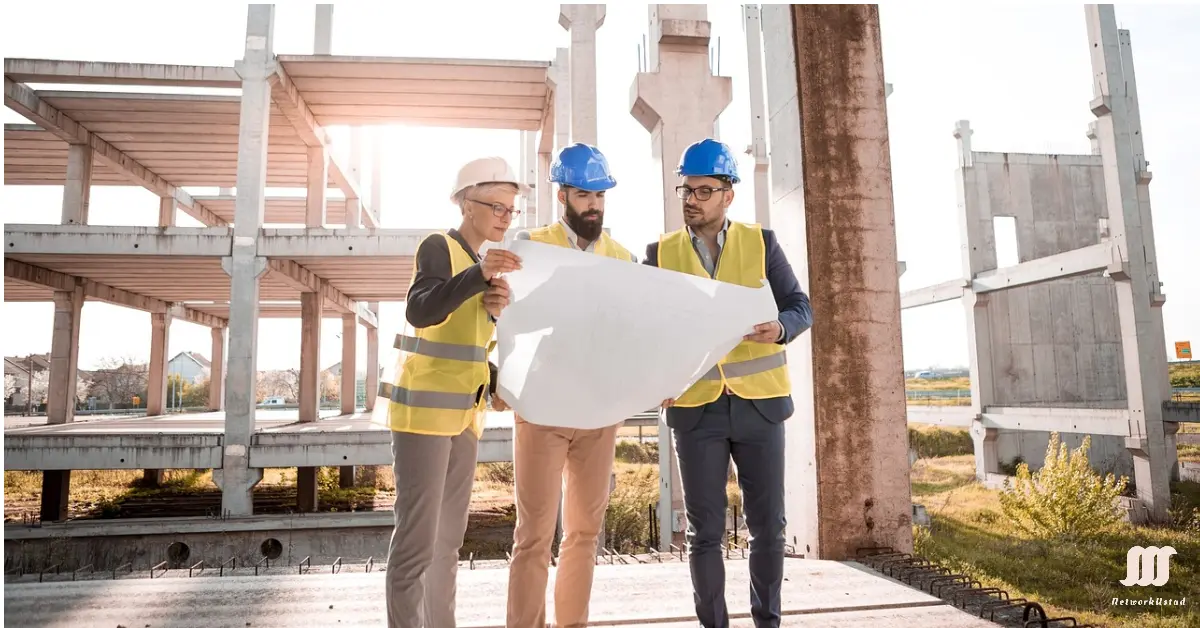
Before estimating costs, understand the full project scope.
You should:
- Review drawings and BOQs thoroughly
- Clarify specifications with the client
- Identify timelines and milestones
- Note site-specific challenges
Step 2: Identify All Cost Components
Your estimate must include every possible cost. Divide them into the following categories:
1. Material Costs
- Cement, steel, aggregates and bricks
- Finishing materials
- Electrical and plumbing items
- Wastage percentage
2. Labour Costs
- Skilled and unskilled workers
- Subcontractor charges
- Overtime payments
- Statutory contributions (PF, ESI, etc.)
3. Equipment and Machinery
- Purchase cost (if owned)
- Rental charges
- Fuel expenses
- Maintenance and repair
4. Overheads
Overheads are often underestimated but these costs can quickly erode your margins. Some of these indirect costs are:
- Site office expenses
- Supervision salaries
- Utilities
- Insurance
- Administrative expenses
5. Contingency Buffer
Construction projects face:
- Price escalation
- Weather delays
- Regulatory changes
That’s why always keep a 5–10% contingency buffer to manage in case any of these risk rises.
Step 3: Use Historical Data for Accuracy
Your past projects are your best reference. Always analyse:
- Actual vs estimated costs
- Cost overruns
- Material wastage trends
- Labour productivity rates
This data helps you refine future estimates. If you are not maintaining proper accounting records, then your estimates are just guesswork. This is where Tally Accounting Software becomes important. It helps you maintain project-wise financial data and generate detailed reports for comparison.
Step 4: Implement Job Costing
Job costing allows you to track expenses project-wise. Instead of viewing expenses in total, you should monitor:
- Cost per site
- Cost per phase
- Cost per work item
Using accounting software for construction, you can allocate expenses directly to specific projects. This ensures:
- Clear cost visibility
- Better budgeting
- Controlled spending
Step 5: Monitor Costs in Real Time
Once you have calculated your estimates, you should:
- Compare budget vs actual expenses regularly
- Review purchase bills weekly
- Track labour payments
- Monitor subcontractor invoices
Also, you can use TallyPrime’s accounting software, you can track project-wise income and expenses, generate cost centre reports, manage GST compliance and control bills.
Step 6: Factor in Compliance and Taxation
In India, construction businesses must comply with:
- GST regulations
- TDS deductions
- Labour laws
- Contract agreements
Incorrect tax estimation affects project cash flow.
Using reliable accounting software for construction ensures accurate tax calculations and proper documentation.
Step 7: Manage Cash Flow Alongside Costing
Even profitable projects fail due to poor cash flow management. You must:
- Align payment schedules with project milestones
- Track receivables strictly
- Negotiate supplier credit periods
- Plan working capital needs
Cash flow forecasting is as important as cost estimation.
Common Costing Mistakes You Must Avoid
Here are some of the mistakes that you must avoid:
- Ignoring minor expenses
- Underestimating overheads
- Not including contingency
- Relying on outdated price data
- Failing to monitor actual costs
Conclusion
Accurate project estimates are not achieved by experience alone. They require structured costing, disciplined tracking and reliable financial data. When you clearly define scope, calculate every cost component, apply job costing and monitor expenses in real time, you reduce financial risk significantly.
As a contractor, your profitability depends on visibility and control. By using Tally Accounting Software and adopting purpose-built accounting software for construction, you ensure accurate estimates, better cash flow management and improved project outcomes. Strong costing practices are not an option — they are the foundation of a sustainable construction business.
FAQs
What is project costing in construction?
Project costing is the process of estimating and tracking all expenses related to a construction project, including materials, labour, equipment, overheads and taxes.
Why is accurate cost estimation important for contractors?
Accurate estimation protects profit margins, ensures better cash flow management and reduces the risk of project overruns.
How can accounting software help in construction costing?
Accounting software for construction enables project-wise expense tracking, job costing, GST compliance and financial reporting, improving overall cost control.
What is job costing in construction accounting?
Job costing is a method of allocating costs to individual projects or work items, allowing you to measure project-specific profitability.
How does TallyPrime support contractors?
TallyPrime, built on Tally Accounting Software, helps you manage project-wise accounting, monitor expenses, generate financial reports and stay compliant with Indian tax regulations.
FAQs
What is the importance of breaking down project scope in costing?
Breaking down the project scope ensures all elements like drawings, specifications, timelines, and site challenges are considered, preventing oversights that lead to cost overruns. This step helps in categorizing costs accurately into materials, labor, equipment, and overheads, ultimately protecting profit margins and improving client relations by reducing disputes over unexpected expenses.
How does historical data improve project estimates?
Historical data from past projects allows contractors to compare actual vs. estimated costs, identify patterns in overruns, wastage, and productivity. By analyzing this information, future estimates become more precise, turning guesswork into informed decisions. Tools like accounting software can store and report this data efficiently for ongoing refinement.
What are common costing mistakes contractors should avoid?
Key mistakes include ignoring minor expenses, underestimating overheads, omitting contingencies, using outdated prices, and failing to monitor actual costs. Avoiding these requires structured tracking, real-time reviews, and contingency buffers of 5-10% to handle risks like price escalations or delays, ensuring projects remain profitable.
Why is job costing essential for construction projects?
Job costing tracks expenses by project, phase, or item, providing clear visibility into spending and profitability. It helps allocate costs accurately, control budgets, and generate reports for better decision-making. Integrating it with accounting software ensures compliance and prevents financial leaks in complex construction environments.
How can contractors manage cash flow alongside costing?
Effective cash flow management involves aligning payments with milestones, tracking receivables, negotiating supplier terms, and forecasting working capital. Combined with accurate estimates, it prevents shortages even in profitable projects. Using tools for real-time monitoring and compliance aids in maintaining financial stability throughout the project lifecycle.
Disclaimer: This article provides general guidance on project costing for informational purposes only and is not intended as professional financial or legal advice. It may include example references to TallyPrime software. Consult a qualified expert for personalized recommendations tailored to your specific construction business needs.