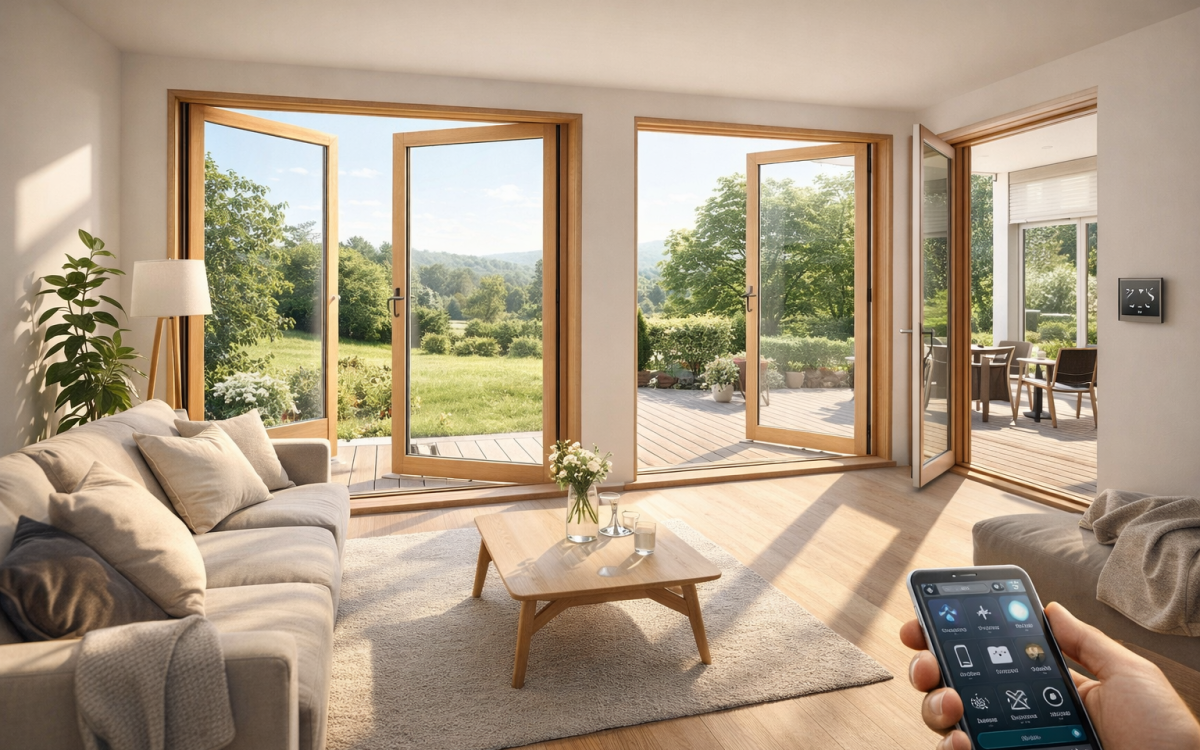
In modern architecture and home design, windows are more than simple building components. They influence natural light, ventilation, comfort, and the overall character of a home. As architectural trends evolve toward brighter, more open living spaces, Scandinavian-inspired design elements have become increasingly popular worldwide. One such element is the Danish window system.
Danish windows are known for their simplicity, functionality, and timeless design. Homeowners, builders, and designers exploring Nordic window solutions often consider options such as sparfenster dänische fenster to understand how these windows can improve both the aesthetics and practicality of modern homes.
What Makes Danish Windows Unique?
Danish windows are designed with a focus on efficiency and usability. Unlike many traditional European windows that open inward, Danish windows typically open outward. This feature can make them particularly practical in homes where interior space is limited or where furniture is placed close to the window.
The outward-opening mechanism allows the inside of the room to remain unobstructed. This means curtains, plants, or furniture can be placed near the window without affecting its operation.
In addition, Danish windows are often designed with clean frames and large glass surfaces, which allow more natural light to enter the room.
The Importance of Natural Light in Modern Homes
Natural light is one of the most valued elements in modern home design. Bright spaces tend to feel larger, more comfortable, and more welcoming. Architects and interior designers often prioritize window placement to maximize daylight throughout the home.
Danish windows support this design philosophy. Their structure typically allows for larger glass areas, which help bring daylight deeper into interior spaces.
This is particularly beneficial in regions with long winters or limited daylight hours, where natural light plays an important role in everyday comfort.
Scandinavian Design Principles
Scandinavian architecture is known for its focus on simplicity, practicality, and connection to nature. Danish windows fit perfectly within this design approach.
Instead of heavy frames or decorative elements, Scandinavian window designs emphasize minimalism and functionality. The goal is to create a balance between beauty and practicality.
Homes built with these principles often feature open layouts, large windows, and materials that reflect natural surroundings. Danish windows help support this aesthetic while maintaining everyday usability.
Indoor–Outdoor Connection
Another key advantage of Danish windows is their ability to visually connect indoor living spaces with the outdoors. Large window surfaces create expansive views and allow homeowners to feel more connected to gardens, landscapes, or surrounding environments.
This visual connection can significantly enhance the atmosphere of a home. Living spaces become brighter and more relaxing when natural scenery becomes part of the interior experience.
For many homeowners, this sense of openness is an important aspect of modern living.
Suitable for New Construction and Renovations
Danish windows are versatile and can be used in both newly built homes and renovation projects. In new constructions, they often complement modern architectural styles with clean lines and minimalist design.
In renovation projects, replacing older windows with modern systems can refresh the appearance of a home while improving functionality.
Because Danish windows combine classic Scandinavian design with practical features, they are suitable for many different building types.
Long-Term Comfort and Practical Benefits
Windows are a long-term investment that can influence daily comfort for many years. The right window system can improve lighting, support ventilation, and enhance the overall living experience.
Danish windows offer a practical solution for homeowners who want a balance between design and functionality. Their simple operation and clean design make them a reliable option for modern homes.
As more homeowners seek brighter interiors and stronger connections to outdoor spaces, Scandinavian-inspired window designs continue to gain attention across international architecture.
Energy Efficiency and Sustainable Building Trends
Energy efficiency has become one of the most important considerations in modern construction and home renovation. Homeowners are increasingly aware of how building components—especially windows—affect indoor comfort and long-term energy consumption. Well-designed windows can help regulate temperature, reduce drafts, and support a more balanced indoor climate throughout the year.
Danish windows are often associated with thoughtful design that supports these goals. Their construction typically focuses on maximizing glass surface while maintaining durable frames, allowing natural light to enter without compromising structural stability. This balance is especially important in modern homes where large windows are used to create open, bright spaces.
Natural light can also play a role in energy awareness. Homes that allow more daylight into living spaces may reduce the need for artificial lighting during daytime hours. In addition, modern window designs often work alongside other building features such as insulation, shading systems, and ventilation strategies.
Sustainable architecture also emphasizes long-term durability. Windows that remain functional and visually appealing for many years contribute to more responsible building practices. Instead of frequent replacements or repairs, homeowners prefer solutions that maintain their performance over time.
As sustainable living becomes a stronger focus in architecture, window systems inspired by Scandinavian design principles continue to attract attention. Their emphasis on simplicity, durability, and natural light aligns well with modern sustainability goals.
Windows as a Key Element of Smart Home Design
Today’s homes are increasingly designed with both comfort and technology in mind. Smart home concepts often focus on lighting, climate control, and energy efficiency, and windows play an important role in this ecosystem.
Large windows can influence how sunlight interacts with interior spaces throughout the day. Designers often place windows strategically to maximize morning or afternoon light, depending on how rooms are used. Living rooms, kitchens, and home offices benefit especially from well-placed windows that support natural lighting.
In addition, modern window systems can complement smart ventilation strategies. When homeowners combine proper window placement with natural airflow, rooms can feel fresher and more comfortable without relying entirely on mechanical systems.
Windows also contribute to the visual openness of a home, which is a key aspect of contemporary living environments. Open views, bright interiors, and seamless connections to outdoor spaces are increasingly valued by homeowners.
Danish window styles support these goals through their minimalist design and functional operation. Their outward-opening structure can help optimize interior space while maintaining a clean architectural appearance.
As homes continue to evolve toward smarter and more efficient living environments, windows will remain a central feature in shaping how people experience their living spaces. Thoughtfully designed window systems can help create homes that feel brighter, more spacious, and better connected to the surrounding environment.