In today’s fast-paced digital economy, online platforms process the billions transactions daily. Data moves in a continuous flow across networks. This includes e-commerce purchases, fintech transfers, digital identity checks, and marketplace interactions. But, as digital convenience increases, so does cybercrime.
Fraudsters exploit weak verification systems, manipulate data, and target vulnerabilities in online platforms. This is where data verification becomes a critical pillar of cybersecurity strategy.
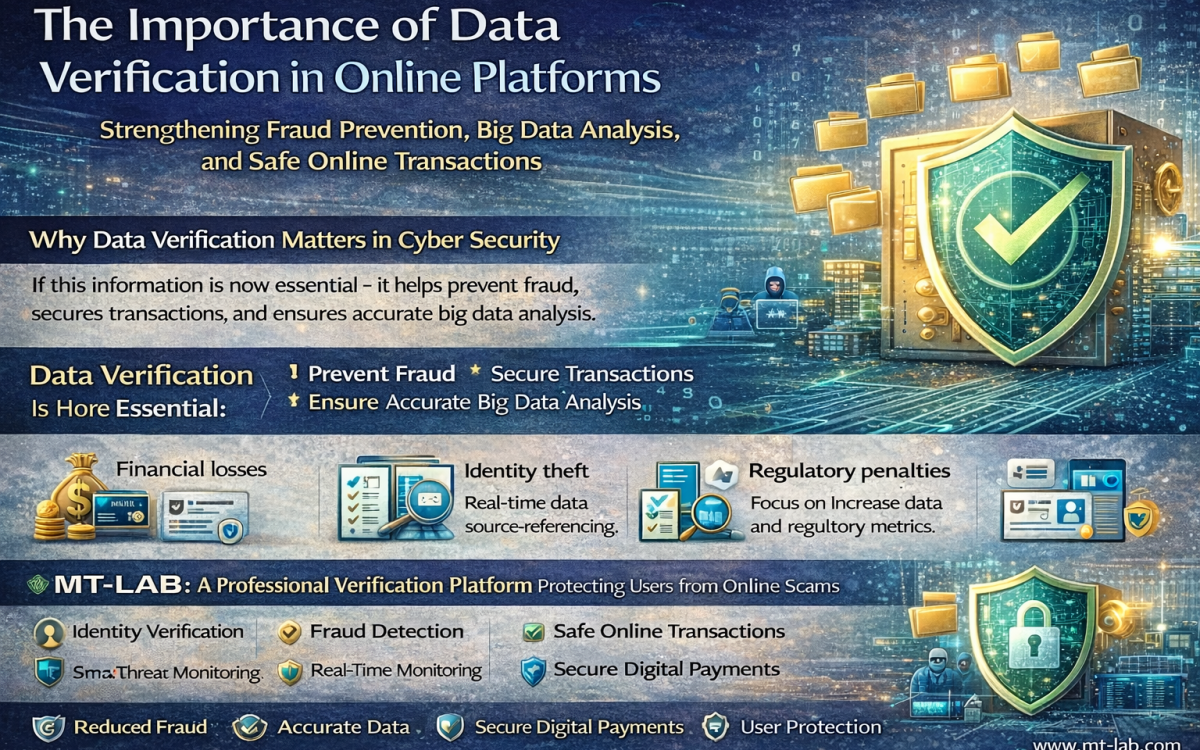
Data verification is now essential. It helps prevent fraud, secures transactions, and ensures accurate big data analysis.
Why Data Verification Matters in Cyber Security
Online platforms depend on data from users. This includes payment detaills, ID documents, contact information, behaviour and names. if this information is incorect If antered or devepp this data is inaccurate, manipulated, or fraudulent, the consequences can be severe:
- Financial losses
- Identity theft
- Regulatory penalties
- Reputational damage
- Compromised customer trust
Effective data verification ensures information is real, consistent, and safe before entering core systems. It acts as a frontline defence against digital threats.
1. Fraud Prevention Through Intelligent Verification
Cybercriminals use tactics such as:
- Synthetic identity fraud
- Account takeovers
- Phishing-based data manipulation
- Payment fraud
- Fake merchant or user registrations
Without verification layers, platforms become easy targets.
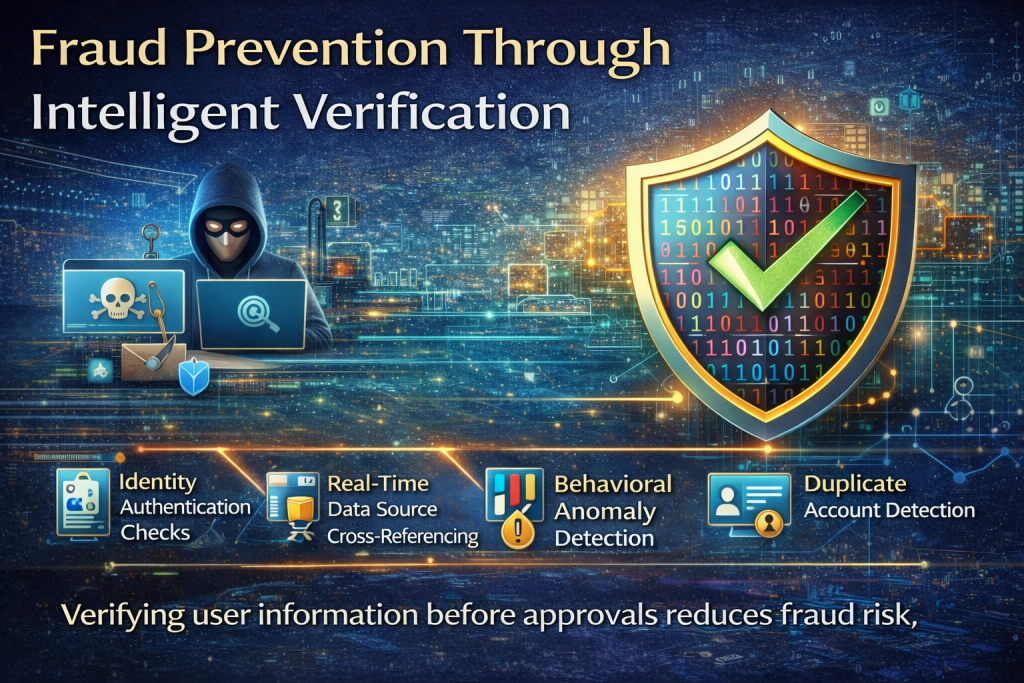
How Data Verification Prevents Fraud:
- Identity authentication checks
- Real-time data source cross-referencing.
- Behavioural anomaly detection.
- Duplicate account detection.
- Risk scoring models
Checking user information before approving transactions or registrations helps online platforms reduce fraud.
Modern fraud prevention systems use machine-learning algorithms. They quickly spot suspicious behaviour patterns. This proactive approach prevents financial damage before it occurs.
2. Big Data Analysis: Accuracy Drives Security
Big data analytics plays a crucial role in cybersecurity. Platforms analyse:
- User behaviour trends
- Transaction histories
- Geolocation patterns
- Login attempts
- Device fingerprints
Analytics are only as reliable as the data they process.
If fake or unverified data gets into the system, it messes up analytics models. This leads to:
- False positives
- Missed fraud signals.
- Poor decision-making
- Increased operational costs
Verified Data = Stronger Insights
Accurate data enables:
- Precise risk assessment
- Reliable predictive modelling
- Improved threat intelligence
- Smarter automation
When verification processes check and confirm data at the entry point, organisations create stronger security systems. This is because they rely on trustworthy information.
3. Safe Online Transactions: Building Trust
Secure digital transactions depend on more than encryption. SSL certificates and secure payment gateways keep data safe while it moves. However, they can’t confirm if the person making the transaction is genuine.
This is where verification frameworks become essential.
Core Elements of Safe Transactions:
- (MFA) Multi-factor authentication.
- Document identity validation
- Biometric verification
- Monitoring real-time fraud.
- Communication encrypted channels.
Verified identities reduce chargebacks, minimise payment disputes, and prevent unauthorised transfers.
For fintech platforms, marketplaces, and e-commerce businesses, verification protects revenue and ensures compliance with regulations.
The Growing Threat Landscape
According to global cybersecurity reports, online fraud shows annual growth. Attackers leverage automation tools, AI-driven phishing, and bot networks to scale their operations.
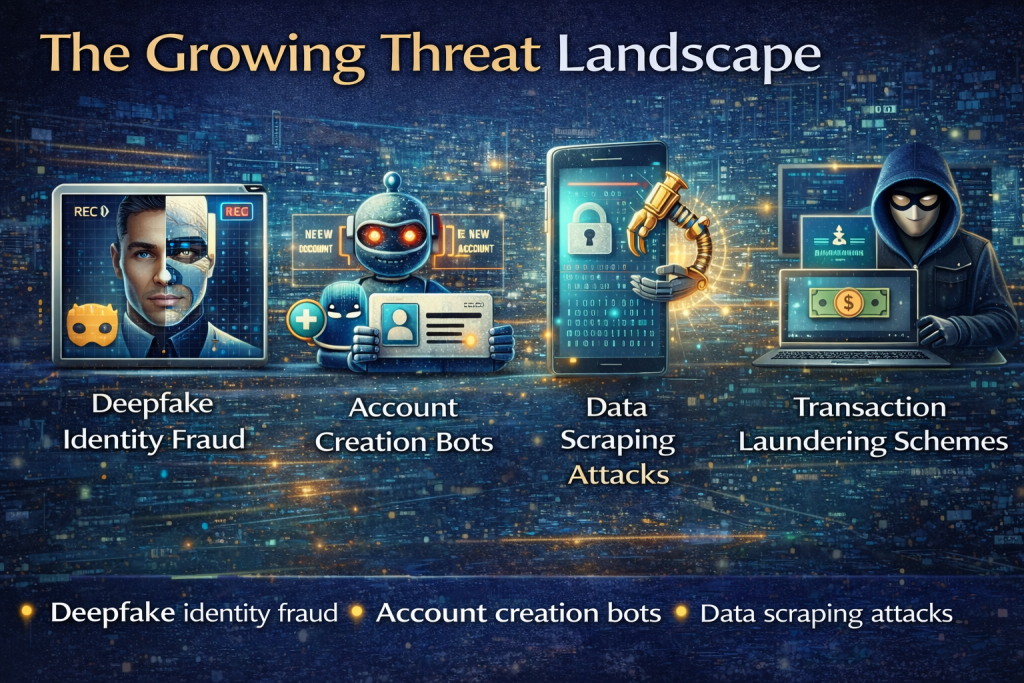
Key emerging risks include:
- Deepfake identity fraud
- Account creation bots
- Data scraping attacks
- Transaction laundering schemes
In this evolving threat environment, manual verification processes are no longer enough. Platforms must adopt intelligent, scalable verification technologies.
MT-LAB: A Professional Verification Platform for Safer Digital Ecosystems
To address these challenges, organisations need a dedicated verification infrastructure.
MT-LAB is a verification platform. It helps users and businesses stay safe from online scams and fraud. It strengthens cybersecurity by checking digital identities and transaction data before approval.
How MT-LAB enhances online security:
- Advanced identity verification systems.
- Fraud risk detection algorithms.
- Data integrity validation.
- Secure transaction screening.
- Real-time verification processes.
By combining intelligent data analysis with strict verification protocols, MT-LAB helps platforms:
- Reduce fraud-related losses.
- Improve customer trust.
- Maintain regulatory compliance.
- Strengthen the cybersecurity posture.
- Support safe online transactions.
MT-LAB acts as a shield for users against cyber threats. It ensures that only verified data gets into important business systems.
Strategic Benefits of Professional Verification Platforms
Implementing a professional verification solution like MT-LAB provides measurable advantages:
1. Reduced financial risk
Early fraud detection prevents costly breaches and chargebacks.
2. Enhanced User Trust
Customers are more likely to transact on platforms known for strong security standards.
3. Improved Big Data Accuracy
Clean, verified datasets improve analytics, AI modelling, and decision-making.
4. Regulatory Compliance
Verification supports compliance with data protection and anti-fraud regulations.
5. Scalable security
Automated verification processes adapt to growing user bases without compromising safety.
The Future of Cyber-Secure Online Platforms
Three core principles will define the future of online platforms:
- Data integrity
- Fraud resilience
- Transaction safety
As cyber threats become more advanced, verification systems must evolve in response. Organisations that invest in smart verification systems today will help make digital spaces safer tomorrow.
Data verification is no longer a technical feature. It’s now a crucial part of cybersecurity strategy.
Platforms that prevent fraud and ensure big data accuracy help secure online transactions. This way, they can beat cybercriminals and lower regulatory risks.
Final Thoughts
In today’s digital world, trust is key to success. The cyber secuVerification is the foundation of cyber security.
Online platforms can protect users by using professional verification tools like MT-LAB. This helps prevent fraud and ensures safe transactions in our complex digital world.
Secure data is not protected data; it is data that someone has verified.