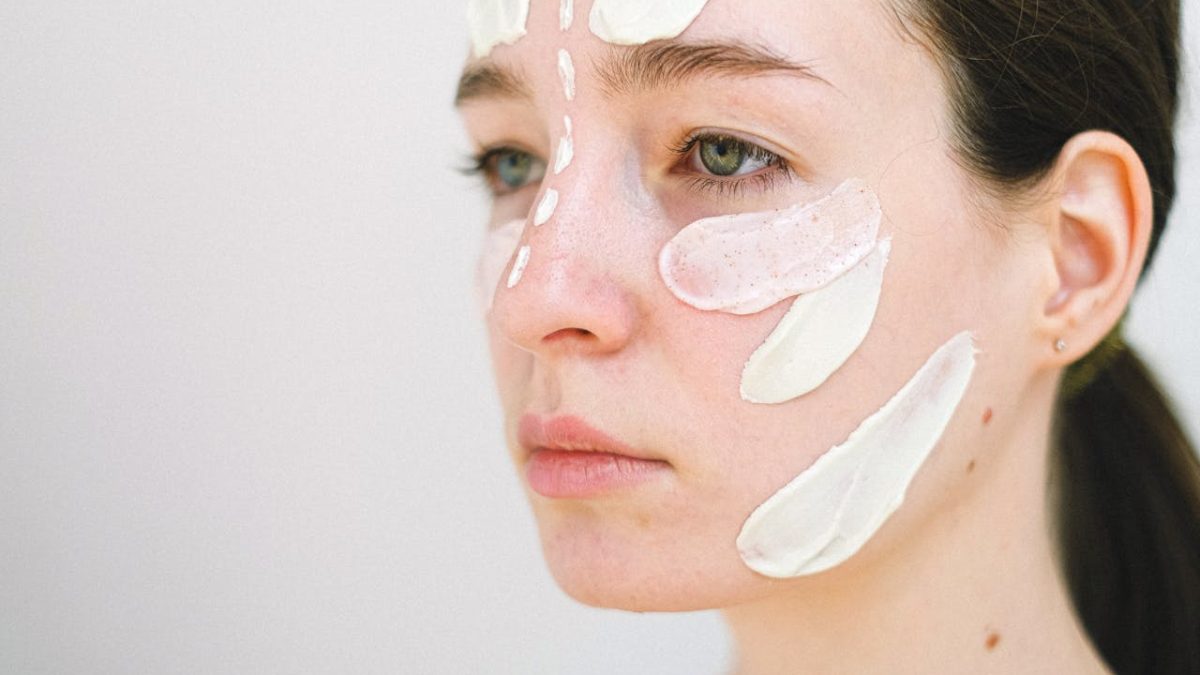
Have you ever bought a foundation that looked perfect in the store, only to realize it turns too pink, too yellow, or oddly gray once you step into daylight? Or maybe one lipstick shade makes you look fresh and awake, while another makes you look tired. In many cases, the missing piece isn’t your skin tone (how light or deep your skin looks on the surface) — it’s your skin undertone, the subtle hue beneath the surface that influences how color reads on you.
The good news: you don’t need expensive color draping or a professional consultation to get a solid answer. With a few quick checks (and the right lighting), you can identify whether you lean warm, cool, or neutral — and start choosing makeup, clothing, and accessories that look naturally “right” on you. This guide walks you through a simple, repeatable at-home method, plus the common mistakes that cause confusing results.
Skin Tone vs. Undertone (The Confusion That Causes Most Mismatches)
Let’s clear up the biggest misunderstanding: skin tone is the visible depth of your complexion (fair, light, medium, tan, deep). Undertone is the underlying hue that stays relatively consistent over time — even if you tan in summer or get temporary redness from weather, skincare, or irritation.
Two people can share a similar skin tone but look completely different in the same shirt or foundation shade because their undertones differ. That’s why undertone is such a shortcut: once you know it, you stop guessing and start choosing shades that harmonize.
The 5-Minute Undertone Workflow (Do This First)
- Remove makeup (at least from your jawline and cheeks) and wait a few minutes for skin to settle.
- Stand in natural light near a window. Avoid direct sunlight and avoid warm indoor lighting.
- Run 3 tests (veins, jewelry, and white/cream fabric). Record what you see.
- Use a tie-breaker test (paper test or photo test) if results conflict.
- Decide by majority vote: the most accurate answers come from patterns across multiple checks.
Test #1: The Vein Test (Quick, But Don’t Treat It Like a Law)
Flip your wrist and look at your veins in natural light. Don’t stare at one spot — check a couple of areas. Then look for the overall impression:
- Blue / purple-looking veins often point to a cool undertone.
- Green / olive-looking veins often point to a warm undertone.
- A mix (blue-green) or hard-to-tell can suggest neutral (or sometimes olive-leaning).
Tip: if your veins are difficult to read, that’s normal. Lighting, skin depth, and vein placement can make this test inconclusive. That’s why the next two tests are important.
Test #2: The Jewelry Test (The Most Practical Real-World Check)
Grab one piece of gold jewelry and one piece of silver jewelry. Hold them near your face (not your wrist), and observe what happens to your overall look:
- If gold makes your skin appear brighter, healthier, or more “alive,” you may lean warm.
- If silver makes your skin look clearer or more balanced, you may lean cool.
- If both look good and neither one stands out as better, you may be neutral.
Pro tip: Keep your hair pulled back and avoid bold lipstick while testing — you want your skin to be the main thing you notice.
Test #3: White vs. Cream Fabric (The “Undertone Shortcut”)
Find two fabrics: one pure white, one cream/ivory. Hold each near your face in natural light and compare:
- If pure white looks crisp and flattering, you often lean cool.
- If cream/ivory looks softer and more harmonious, you often lean warm.
- If both are fine, you may be neutral.
Two Tie-Breaker Tests (If You’re Still Unsure)
1) The White Paper Test
Hold a sheet of plain white paper next to your bare face. Then look at how your skin reads beside that true white reference:
- If your skin looks more rosy/pink by comparison, you may lean cool.
- If your skin looks more yellow/golden, you may lean warm.
- If you don’t see a strong shift either way, you may be neutral.
2) The Photo + Swatch Test (The “Reality Check”)
Take a photo in natural light without makeup. Then compare your face next to a few warm colors (like camel, coral, warm olive) versus a few cool colors (like sapphire, icy blue, cool gray). The goal isn’t to find a color you “like,” but to notice which group makes your skin look clearer and more even.
Common Mistakes That Lead to Confusing Results
- Testing under warm indoor bulbs: this can make many people look more golden than they truly are. Natural light is the standard.
- Testing with makeup on: foundation, bronzer, and even tinted sunscreen can shift the appearance of undertone.
- Using only one test: a single test can mislead you. Use multiple checks and look for consistency.
- Mixing up “overtone” with undertone: surface redness, acne, and tanning can distort what you think you’re seeing.
- Overthinking “perfect certainty”: many people are neutral or slightly warm/cool-leaning. You can still make great choices with a “lean.”
What If My Results Conflict?
Conflicting signals are extremely common. If your veins look mixed but jewelry is clearly gold-friendly, or white vs cream is unclear, treat undertone like a pattern rather than a single “yes/no.” Use this decision rule:
- Choose the undertone that wins most tests.
- If it’s close, label yourself neutral with a lean (neutral-warm or neutral-cool).
- Use the lean to guide foundation undertone (neutral-warm often looks best in neutral/yellow-balanced bases).
How to Use Your Undertone Immediately (Makeup + Wardrobe)
Once you have a working answer, apply it in two places right away: foundation selection and your “near-the-face” colors (tops, scarves, jewelry). You should see results quickly:
Foundation & Concealer
- Warm: look for labels like warm/golden/yellow/peach.
- Cool: look for labels like cool/rosy/pink.
- Neutral: look for neutral or balanced undertones; adjust slightly warm/cool if you have a lean.
Clothing & Accessories
- Warm: cream, camel, warm olive, terracotta, coral often feel harmonious.
- Cool: crisp white, cool gray, cobalt, berry, and jewel tones often feel crisp and bright.
- Neutral: you can borrow from both sides; focus on saturation and contrast that fits your overall coloring.
A Quick, Reliable Next Step
If you want a structured checklist with multiple at-home methods in one place, use a dedicated guide and record your results. Here’s a comprehensive option that walks through seven common tests and helps you decide by consistency: skin undertone test.
Final Takeaway
Determining your undertone doesn’t require perfection — it requires a repeatable process. Use natural light, run multiple tests, and trust the overall pattern. Once you know whether you’re warm, cool, or neutral (with or without a slight lean), you’ll notice that choosing foundation shades gets easier, colors look more flattering, and you spend less time second-guessing.