For businesses that care about security and compliance, identifying which customers are high risk will always be high on their priority list. This is where screening software plays a crucial role. By conducting automated checks and performing comprehensive data analysis, these tools improve monitoring efforts and reduce the time spent on manual tasks. In this article, we will explain how screening software identifies high-risk customers.
What Is Screening Software?
Customer screening software is a type of digital tool that scans customer data for indicators that show risk. These programs regularly scan databases, track transactions, and check facts against lists supplied by regulators. In doing so, they identify people or organizations that would benefit from additional scrutiny.
Key Features of Screening Tools
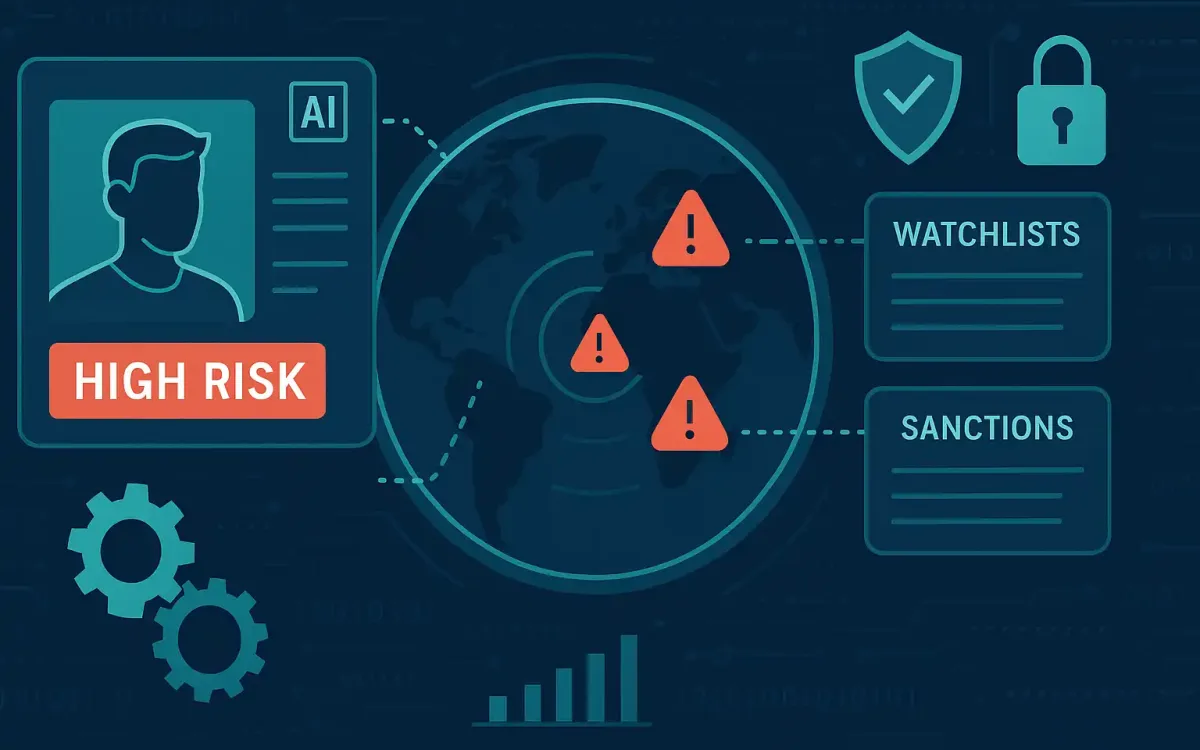
Automated systems can quickly analyze multiple data points. Algorithms cross-check personal information with watchlists and sanction databases from around the globe. They assist in recognizing abnormal activities that human detection may miss. The software can also observe progress over time to modify risk scores as new data becomes available.
Sources of Data Used by Screening Solutions
Diverse sources of data are necessary for reliable screening. This could be from public information, government records, or financial databases. After comparing customer data with these sources, the software can identify discrepancies or possible red flags. This ensures that organizations maximize the chances of detecting high-risk customers.
How the Identification Process Works
Gathering customer details is the first step of the process. This includes names, addresses, or identifiers. The software then cross-references these with appropriate lists, such as regulatory lists maintained by those in charge of financials. When there is a match, the tool sends an alert that organizations can then investigate.
The Role of Artificial Intelligence
Some modern screening systems use artificial intelligence, which increases accuracy. Machine learning algorithms learn from past data to better identify risk indicators. Over time, this improves the screening process and reduces false positives. AI-driven tools can adapt to new threats more easily compared to a manual review.
Benefits of Automated Risk Identification
Automation brings several advantages. It expedites the review, which saves time for staff. It also ensures consistent application of rules, reducing the chances of errors. This allows organizations to ensure compliance using minimal resources.
Reducing False Positives
False positives can be a problem that arises during the customer screening process. Using scoring frameworks, screening software examines the probability of a real threat. It does so by filtering out those cases that are low threat by assigning them levels of risk and allows teams to focus on cases that have an immediate impact. This balanced approach improves efficiency.
Continuous Monitoring for Ongoing Security
Tracking needs to be continued even after onboarding to identify changes in customer behavior or status. Profiles can be updated whenever new risks arise through the software running checks regularly. This approach allows businesses to act quickly when they find new threats.
Adapting to Regulatory Requirements
Rules and regulations change often, and tracking them can be a challenge. Screening solutions continuously update to reflect new rules and watchlists. This allows organizations to proactively respond and adapt to regulatory changes and avoid penalties.
Enhancing Customer Trust
Understanding the risks and having the ability to identify them goes a long way in building trust with clients. Strong business confidence can be built when customers are aware that their information is safe. Transparent processes and careful data handling are crucial. These practices can help the company stand out.
Challenges and Considerations
Screening software comes with many benefits, but it will also bring some challenges. The quality of the data remains one of the most critical aspects of generating accurate results. Effective practices need to be audited and updated continually. Staff training ensures that alerts are handled appropriately while respecting the privacy of the people involved.
Conclusion
As the name suggests, screening software is used to identify high-risk customers. These tools should have features like automation, artificial intelligence, and constant monitoring to help businesses protect themselves and their clients. Investing in solid screening processes can help organizations manage threats more effectively and build trust with their customers.
FAQs
How does screening software identify high-risk customers?
It gathers customer data like names and addresses, cross-references with watchlists and sanction databases, and uses algorithms to detect red flags or patterns. AI integration learns from past data to assign risk scores, flag anomalies, and trigger alerts for further review, ensuring automated, accurate threat detection while adapting to new risks.
What are the key benefits of using screening software?
Benefits include efficiency through automation, time savings by reducing manual reviews, fewer false positives via scoring, ongoing security with continuous monitoring, easy compliance with regulatory updates, and enhanced customer trust from secure, transparent processes that protect data and minimize errors.
How does AI enhance screening software’s effectiveness?
AI analyzes multiple data points, learns from historical patterns to improve accuracy, reduces false positives by adapting to emerging threats, and refines risk scoring over time. It enables quicker anomaly detection and better handling of complex data, making the software more reliable for identifying true high-risk customers.
What challenges arise in implementing screening software?
Challenges include ensuring high data quality to avoid unreliable results, providing staff training for proper alert handling and privacy respect, balancing automation with human oversight, and conducting regular audits to maintain effectiveness while addressing implementation costs and regulatory complexities.
Why is continuous monitoring important in screening?
Continuous monitoring updates customer profiles post-onboarding, tracks behavioral changes or status updates, and runs regular checks against evolving databases. This allows quick responses to new risks, prevents overlooked threats, ensures ongoing compliance, and enhances overall security beyond initial screenings.