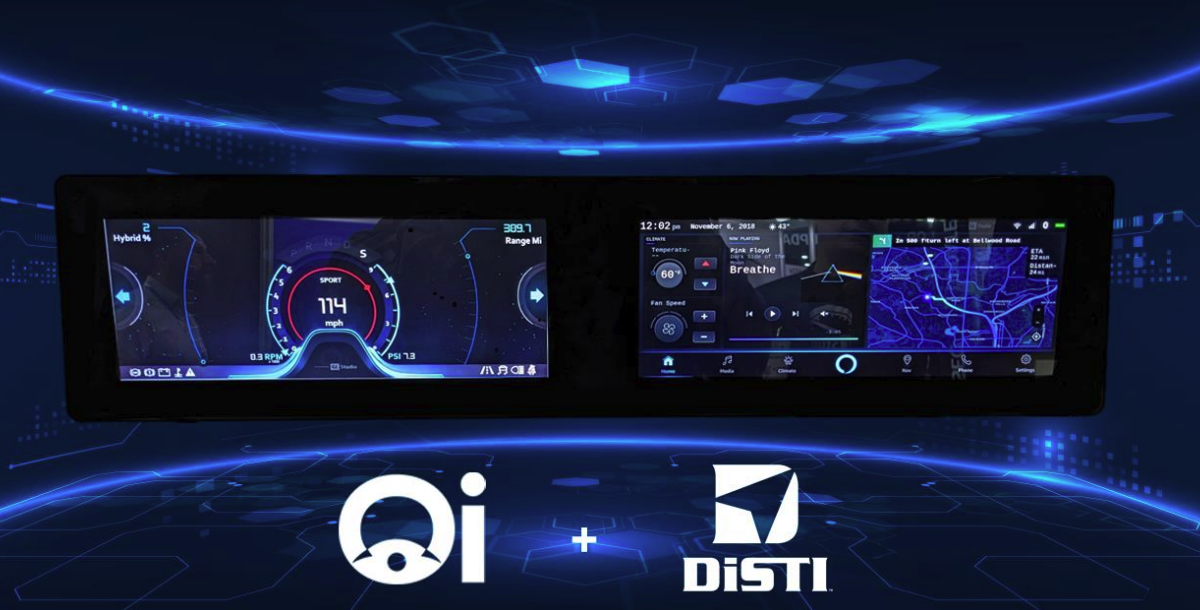
The automotive industry is advancing toward the software-defined vehicle(SDV) model, where value is increasingly defined by software capabilities rather than fixed hardware features. As platforms transition from hardware-centric to software-centric architectures, vehicles continue to evolve through controlled software updates, feature enhancements, and digital cockpit transformation.
With increasingly powerful embedded computing platforms and automotive SoCs, modern vehicle systems depend on modular, updatable software. In this landscape, software determinism, real-time performance, and certifiable architectures are essential—especially for safety-related vehicle functions and advanced HMI development. Predictable execution and reliable runtime behavior are foundational to delivering safe, responsive, and scalable SDV platforms.
For organizations experienced in safety-critical and mission-critical environments, these engineering disciplines are well established. Industries such as aerospace, defense, and advanced virtual training solutions have long operated under strict requirements for deterministic execution, structured traceability, and certification alignment. DiSTI applies these proven methodologies to automotive SDV programs, reinforcing validation rigor, strengthening certification readiness, and supporting the development of reliable, future-ready vehicle architectures.
Safety and Certification in an SDV-Driven World
As vehicles transition toward the software-defined vehicle (SDV) model, software increasingly governs critical vehicle functions. Digital cockpit systems, connected vehicle platforms, and updateable features must operate reliably within tightly integrated electronic architectures. This growing software complexity elevates the importance of structured safety engineering and certification discipline across SDV programs.
The Challenge of Certifiable Software in Software-Defined Vehicles
In modern SDV architectures, software is not limited to convenience features — it directly influences safety-related vehicle behavior. As a result, developing certifiable automotive software becomes a foundational requirement. Systems must demonstrate detinistic runtime behavior, structured traceability, and validation aligned with recognized safety standards. With evolving software builds and feature updates, ensuring that changes do not compromise compliance or system stability is essential to maintaining platform integrity.
Embedding Functional Safety into Architecture and Development
For successful SDV development, functional safety must be integrated early in the lifecycle rather than treated as a final verification step. Architectural decisions — including the separation of safety-critical and non-critical software domains, the design of certification-ready HMI systems, and deterministic execution environments — directly influence compliance outcomes. Establishing workflows aligned with ISO 26262 objectives helps reduce integration risk and supports more predictable certification pathways.
The Role of Global Safety Standards in SDV Programs
International frameworks such as ISO 26262 and IEC 61508 define how safety-related automotive software must be specified, developed, and validated. Experience with safety-critical methodologies governed by DO-178C and DO-254 further reinforces disciplined development practices, documentation rigor, and validation traceability. Within this regulatory landscape, DiSTI supports OEMs and Tier 1 suppliers by aligning safety-critical HMI development, embedded systems integration, and validation workflows with established safety objectives — helping ensure that modern SDV platforms meet both performance expectations and certification requirements.
The Inherited Rigor Advantage: Why “Born in Aerospace” Matters for the Road
As Software-Defined Vehicles (SDVs) shift value from hardware to advanced software-driven functions, the industry faces a critical need for continuous innovation without compromising reliability. This evolution places greater emphasis on disciplined automotive HMI development, where safety, determinism, and real-time performance must coexist with adaptive software architectures. DiSTI’s distinctive advantage lies in applying safety-critical and mission-critical methodologies—honed in the aerospace and defense sectors—to the automotive world, reinforcing reliability and certification rigor across modern SDV programs.
Exceeding Traditional Safety Benchmarks
The complexity of software-centric vehicles requires development processes that often exceed typical automotive software benchmarks. By leveraging cross-industry experience, DiSTI brings aerospace-grade rigor to SDV programs, ensuring that every system is built upon a foundation of extreme reliability.
- Multidisciplinary Standards Proficiency: Expertise at DiSTI is rooted in strict adherence to a spectrum of global safety standards, including:
- DO-178C: High-integrity avionics software.
- DO-254: Certification for airborne electronic hardware.
- ISO 26262: The standard for automotive functional safety.
- IEC 61508: Broad-spectrum safety for electrical/electronic systems.
- Traceability and Validation: This cross-pollination ensures that automotive SDV programs benefit from the same level of traceability and validation required for flight-certified systems, directly enhancing automation and safety functionality.
The Value of Mission-Critical Cross-Pollination
Applying methodologies from aerospace to the automotive sector is not merely about compliance; it is about the integration of expertise. This approach enables the delivery of solutions for connected, software-centric vehicles that prioritize functional safety across the entire SDV lifecycle.
- Reliability Benchmarks: Utilizing mission-critical methodologies ensures that Software-Defined Vehicle development processes meet and exceed the reliability expectations of modern mobility.
- Digital Engineering Excellence: The transition to SDVs is supported by real-time systems and digital engineering practices that have been stress-tested in the world’s most demanding defense and aerospace environments.
Applying Aerospace-Grade Discipline to Automotive SDV Programs
As SDV adoption accelerates across the automotive industry, engineering organizations face increasing pressure to deliver reliable, certifiable, and scalable platforms. The transition to a software-defined vehicle architecture introduces new layers of software complexity, particularly within safety-related vehicle functions and digital cockpit systems. Managing this complexity requires structured engineering discipline — especially as OEMs and Tier 1 suppliers advance car HMI design within broader SDV architecture strategies, ensuring performance, usability, and certification objectives remain aligned.
Translating Mission-Critical Methodologies to Software-Defined Vehicle Development
In industries such as aerospace and defense, certifiable software development operates under strict regulatory oversight. Standards including DO-178C and DO-254 require deterministic execution behavior, detailed documentation, and comprehensive verification traceability. Applying these disciplined methodologies within software-defined vehicle programs strengthens development rigor and supports alignment with automotive functional safety standards such as ISO 26262 and IEC 61508.
For organizations implementing software-defined vehicle solutions, integrating this level of engineering discipline helps reinforce compliance, reduce integration risk, and support predictable system behavior in real-time automotive environments.
Strengthening Traceability and Validation Within SDV Architecture
Modern software-defined vehicle architecture depends on clearly defined relationships between requirements, implementation, and validation artifacts. As SDV platforms evolve through software updates and feature enhancements, maintaining structured traceability across safety-related components becomes critical. This is particularly relevant for safety-critical HMI systems and embedded software environments that must consistently meet performance and certification objectives.
By aligning development workflows with established safety frameworks and applying cross-industry experience from aerospace and defense programs, DiSTI supports OEM and Tier 1 teams in reinforcing compliance and validation practices within their broader SDV initiatives — without compromising reliability or performance.
GL Studio®: Enabling Advanced HMI for Modern Vehicle Platforms
The digital cockpit has become one of the most performance-sensitive layers within modern vehicle platforms. As automotive systems grow more connected and software-driven, Human-Machine Interface environments must deliver real-time responsiveness, visual clarity, and predictable behavior across embedded hardware. Achieving this requires development tools purpose-built for automotive systems rather than generic UI frameworks.
GL Studio®, DiSTI’s proprietary HMI development platform, is designed to support advanced graphical interface development within evolving software-defined vehicle solutions. It enables engineering teams to design, deploy, and maintain digital cockpit systems optimized for embedded automotive environments.
High-Performance Embedded Graphics
Advanced instrument clusters, infotainment systems, and vehicle visualization interfaces depend on capable automotive SoCs and GPUs. GL Studio® is optimized for these embedded platforms, enabling deterministic, real-time rendering while maintaining graphical performance. This ensures cockpit systems operate consistently within production hardware constraints.
Modular and Update-Ready Interface Architectures
As SDV adoption increases, vehicle platforms are expected to support feature evolution and controlled software updates. GL Studio® supports modular, data-driven UI architectures that allow interface components to adapt alongside broader vehicle software changes. This flexibility helps engineering teams maintain consistency across evolving builds without disrupting core functionality.
Deployment Across Development and Simulation Environments
Consistency across development, validation, and production is essential. GL Studio® supports deployment across desktop environments, embedded targets, and simulation platforms through a unified toolchain. In addition, advanced visualization capabilities support navigation, situational awareness, and system representation within modern software-defined vehicle architecture environments.
High-Performance Embedded Graphics
Advanced instrument clusters, infotainment systems, and vehicle visualization interfaces depend on capable automotive SoCs and GPUs. GL Studio® is optimized for these embedded platforms, enabling deterministic, real-time rendering while maintaining graphical performance. This ensures cockpit systems operate consistently within production hardware constraints.
Modular and Update-Ready Interface Architectures
As SDV adoption increases, vehicle platforms are expected to support feature evolution and controlled software updates. GL Studio® supports modular, data-driven UI architectures that allow interface components to adapt alongside broader vehicle software changes. This flexibility helps engineering teams maintain consistency across evolving builds without disrupting core functionality.
Deployment Across Development and Simulation Environments
Consistency across development, validation, and production is essential. GL Studio® supports deployment across desktop environments, embedded targets, and simulation platforms through a unified toolchain. In addition, advanced visualization capabilities support navigation, situational awareness, and system representation within modern software-defined vehicle architecture environments.
Supporting Continuous Software Evolution Through Validation and Simulation
As vehicle platforms evolve through controlled software updates and feature enhancements, structured validation becomes essential to maintaining system integrity. Iterative UI changes, embedded refinements, and production-ready builds must be verified consistently across development cycles. This requires disciplined testing workflows aligned with real-world deployment environments.
Simulation and Digital Twin Integration
Digital twin integration enables graphical and embedded components to be evaluated within controlled, representative environments. By leveraging simulation-driven testing, development teams can analyze rendering behavior, system interaction, and performance characteristics early in the development cycle. This approach supports more informed engineering decisions and helps identify potential issues before production deployment.
Regression Testing Across Software Builds
As software evolves through feature updates and refinements, regression testing ensures that new changes do not introduce unintended behavior or performance degradation. Structured verification practices allow successive builds to be validated against defined requirements, helping maintain system consistency across development phases. Through modular interface architectures and disciplined testing workflows, DiSTI supports OEMs and Tier 1 suppliers in managing software evolution while preserving reliability and predictable system behavior.
Engineering Partnership Across the SDV Lifecycle
Delivering modern vehicle platforms requires coordination across engineering, UX, safety, and validation teams. As software complexity increases, organizations benefit from partners who understand embedded systems, real-time graphics, and structured development workflows within automotive environments. Beyond tools, successful program execution depends on experienced engineering collaboration throughout development and deployment phases.
DiSTI supports OEMs and Tier 1 suppliers by working alongside internal teams across multiple stages of the vehicle program lifecycle. From early design considerations to production deployment and post-release refinement, engineering alignment helps ensure that digital cockpit systems and embedded interfaces are scalable, reliable, and ready for integration within broader vehicle platforms.
From Concept Development to Production Deployment
Support can begin during early HMI and cockpit system design, where interface requirements, performance considerations, and embedded constraints are evaluated. As development progresses, DiSTI assists with embedded software integration and production readiness, helping ensure graphical systems are optimized for target automotive hardware.
Integration with Safety and Validation Workflows
Collaboration extends to structured development workflows that align with established functional safety objectives and verification processes. By supporting safety-critical HMI development, embedded system validation, and documentation alignment, DiSTI contributes to smoother integration within broader vehicle programs.
Ongoing Engineering Support and Sustainment
Vehicle platforms continue to evolve after production launch. DiSTI provides ongoing engineering support staffed by specialists in GL Studio® and embedded HMI systems. Direct collaboration with engineers experienced in real-time systems and production deployment enables faster issue resolution and informed architectural decisions. This approach allows DiSTI to operate as an extension of the engineering organization, supporting long-term sustainment and software evolution.
Conclusion
The shift toward Software-Defined Vehicles is redefining how automotive platforms are engineered, validated, and sustained. As software increasingly shapes vehicle functionality and user experience, safety discipline, real-time performance, and structured validation become central to long-term success. Many of these engineering principles have been refined in domains such as military simulation training and advanced virtual reality training systems, where deterministic execution and certification rigor are mandatory.
By combining this aerospace-derived discipline with advanced HMI development training and embedded systems expertise, DiSTI supports OEMs and Tier 1 suppliers in building reliable, scalable, and future-ready vehicle platforms.
To explore how DiSTI can strengthen your Software-Defined Vehicle strategy and support your program goals, contact DiSTI today to schedule a personalized consultation and learn how our SDV solutions can help advance your next-generation vehicle platform.