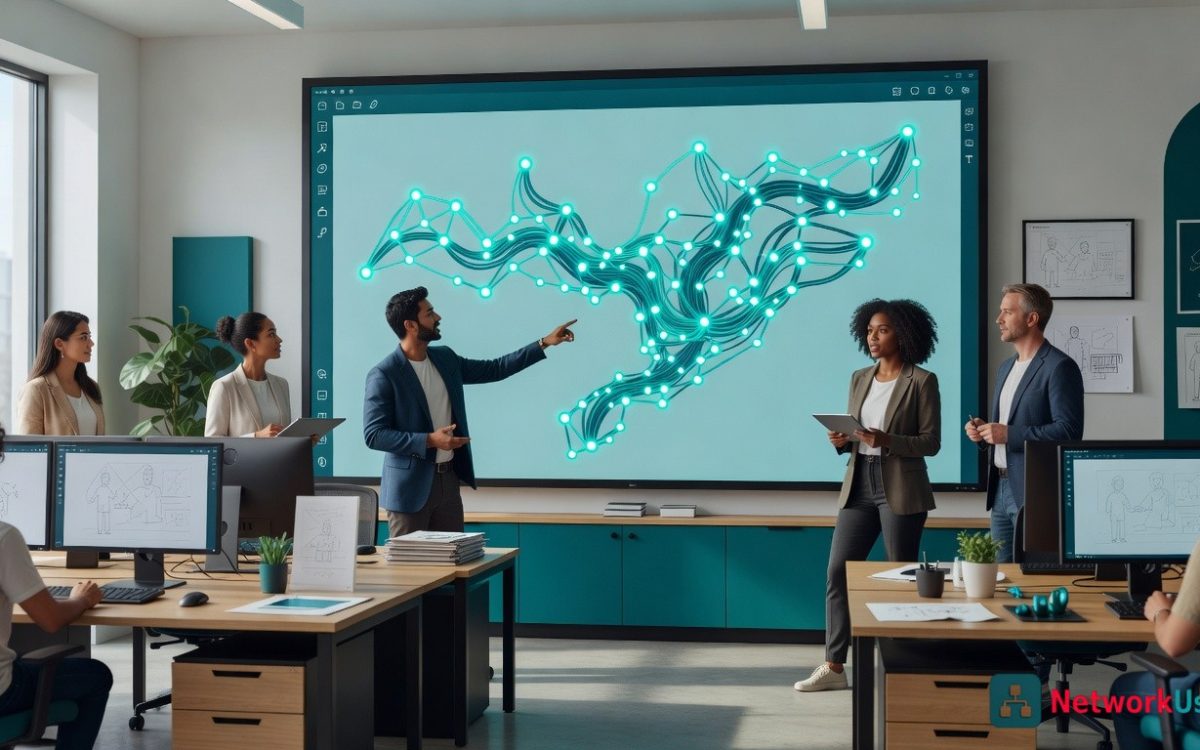
Animation Startup Targets Open-Ended Storytelling
A new animation startup has announced plans to develop software that simplifies the process of creating open-ended stories. The company aims to address challenges faced by animators and storytellers in producing narratives that allow for multiple interpretations and user interaction. This effort comes as digital content creation continues to grow in popularity among independent creators and studios.
Core Features Planned
The startup’s approach focuses on tools that enable branching narratives and flexible character development within animation projects. According to the company’s statement, the software will include features for real-time adjustments to story paths, making it possible to generate content that adapts based on viewer input or creative choices. Details on the exact technology stack remain limited, but the goal is to reduce the time required for scripting and animating complex, non-linear tales.
Current animation workflows often involve rigid timelines and predefined outcomes, which can limit creativity in open-ended formats. This startup seeks to change that by integrating modular design elements, where scenes and dialogues can be rearranged or expanded without starting from scratch. While specific release timelines are not yet available, the project is in early development stages.
Industry Context
Open-ended stories have gained traction in gaming and interactive media, but their application in traditional animation lags behind. Examples include choose-your-own-adventure style videos on platforms like YouTube, where viewers select outcomes. This startup’s initiative builds on that trend, targeting professional animators who want more dynamic tools.
The broader animation sector has seen increased demand for accessible software, especially since the rise of remote collaboration during recent years. Tools like Adobe Animate and Blender already support basic interactivity, but they require advanced skills for open-ended setups. By focusing on user-friendly interfaces, the startup hopes to lower barriers for smaller teams and individual artists.
For those working with digital tools, essential software choices can impact productivity. Resources on software for MacBook users highlight how compatible applications aid in creative workflows, a consideration for animators adopting new platforms.
Company Statements
The startup’s founders have described the project as a response to feedback from the animation community, where creators often express frustration with linear storytelling constraints. “We want to give storytellers the freedom to explore possibilities without technical hurdles,” one representative stated in a press release. Further details on funding or partnerships are pending confirmation.
Experts in digital media note that such tools could expand animation’s role in education and entertainment. A media analyst commented that open-ended formats encourage audience engagement, similar to trends in search engine optimization where user engagement drives visibility. This aligns with the startup’s vision of making stories more immersive.
Future Developments
The company plans to release a beta version for testing by animation professionals, though no specific date has been set. Initial outreach includes webinars and demos to gather input from potential users. As the project progresses, updates on integration with existing software like Unity or Toon Boom are expected.
Challenges ahead include ensuring the tools perform well across devices and maintaining accessibility for beginners. The startup also aims to incorporate feedback loops for ongoing improvements. In the meantime, creators interested in interactive content might explore related fields, such as avoiding common pitfalls in digital marketing with alerts on SEO practices.
This development reflects a shift toward more participatory media, potentially influencing how stories are told in animation for years to come. With digital tools evolving, the startup’s focus on open-ended narratives could help meet the needs of a diverse creator base.
(Word count: 612)
