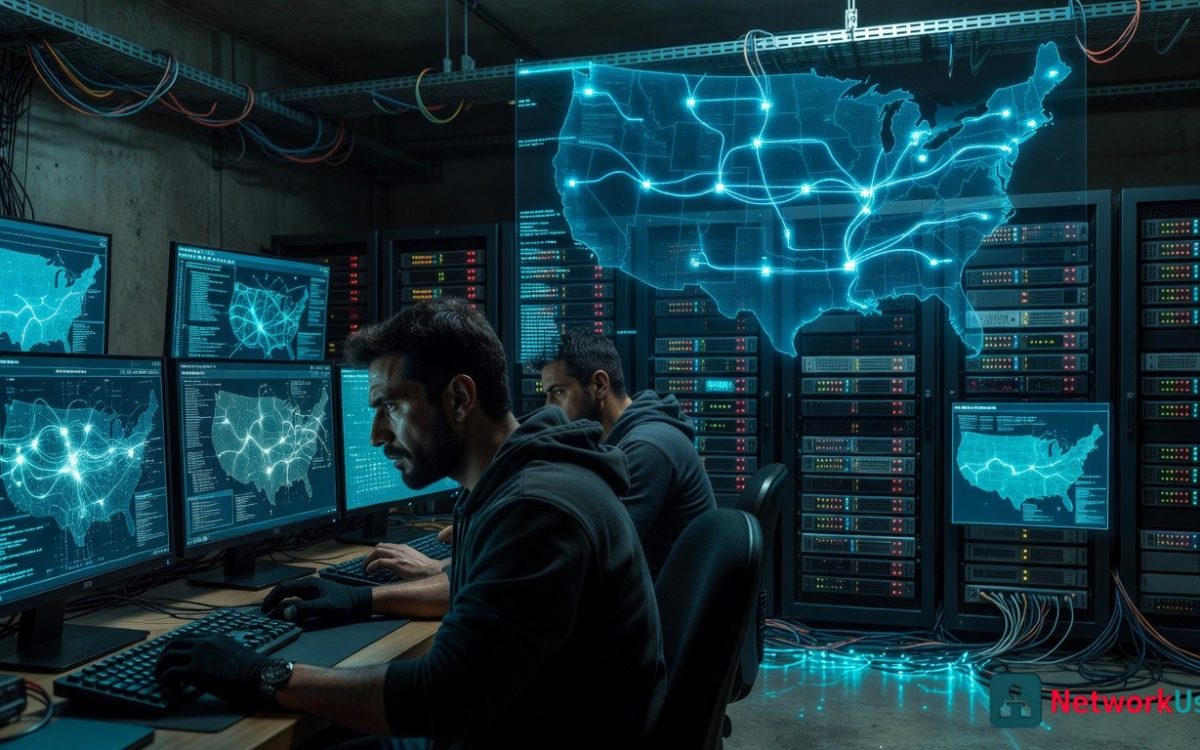
U.S. Agencies Warn of Iranian Cyber Threats
United States cybersecurity agencies issued a joint alert on October 15, 2026, warning that Iranian state-sponsored hackers are actively targeting critical infrastructure sectors across the country. The Cybersecurity and Infrastructure Security Agency (CISA) and the Federal Bureau of Investigation (FBI) described the threats as sophisticated attempts to disrupt essential services, including energy grids, water utilities, and transportation networks.
Key Details
The alert specifies that the hacking group, known as Pioneer Kitten or UNC757, has been conducting reconnaissance and phishing campaigns against U.S. entities since early 2026. According to the joint bulletin, these actors have exploited vulnerabilities in industrial control systems and remote access tools to gain unauthorized entry. CISA reported that at least 12 incidents involving attempted breaches were identified in the past six months, primarily in the Northeast and Midwest regions.
“These Iranian cyber actors pose a significant risk to our nation’s critical infrastructure,” stated Jen Easterly, Director of CISA, in the official release. “Organizations must implement multi-factor authentication and monitor for anomalous network activity immediately.” The FBI echoed this urgency, noting that the hackers often masquerade as legitimate IT support to extract credentials.
Background Context
Iranian cyber operations against U.S. targets have escalated since 2020, amid heightened geopolitical tensions over nuclear programs and regional conflicts. Previous campaigns, such as the 2022 attacks on financial institutions attributed to Iran’s Islamic Revolutionary Guard Corps (IRGC), demonstrated similar tactics. This latest warning follows a series of global incidents, including disruptions to Saudi oil facilities in 2019, underscoring Iran’s growing cyber capabilities.
The U.S. government has attributed these activities to IRGC-affiliated units, which use proxy servers in Eastern Europe and the Middle East to obscure their origins. Historical data from the Department of Homeland Security indicates that such threats have increased by 40% annually since 2023, driven by state-sponsored investments in offensive cyber tools.
Expert Perspective
Cybersecurity experts have emphasized the vulnerability of aging infrastructure. “Many U.S. utilities still rely on outdated software that’s ripe for exploitation,” said Dmitri Alperovitch, co-founder of CrowdStrike, in an interview with NetworkUstad. “Iranian hackers are patient and persistent; this isn’t a one-off threat but part of a broader strategy to undermine American resilience.”
Alperovitch, whose firm has tracked Pioneer Kitten for years, recommended enhanced threat intelligence sharing among private sector partners. He cited a recent Mandiant report that linked the group to over 50 intrusions worldwide, with a focus on disrupting supply chains.
Impact and Next Steps
The potential fallout from successful breaches could be severe, including widespread power outages, contaminated water supplies, and halted transportation, affecting millions. Economically, experts estimate recovery costs could exceed $1 billion per major incident, based on precedents like the 2021 Colonial Pipeline ransomware attack.
In response, CISA has launched a national exercise simulating Iranian cyber intrusions, scheduled for November 2026. Federal officials urge critical infrastructure operators to review the joint advisory and apply patches promptly. International allies, including the UK and Israel, have issued parallel warnings, signaling coordinated defenses against Iranian threats. As tensions persist, U.S. agencies anticipate sustained vigilance to safeguard vital systems.
