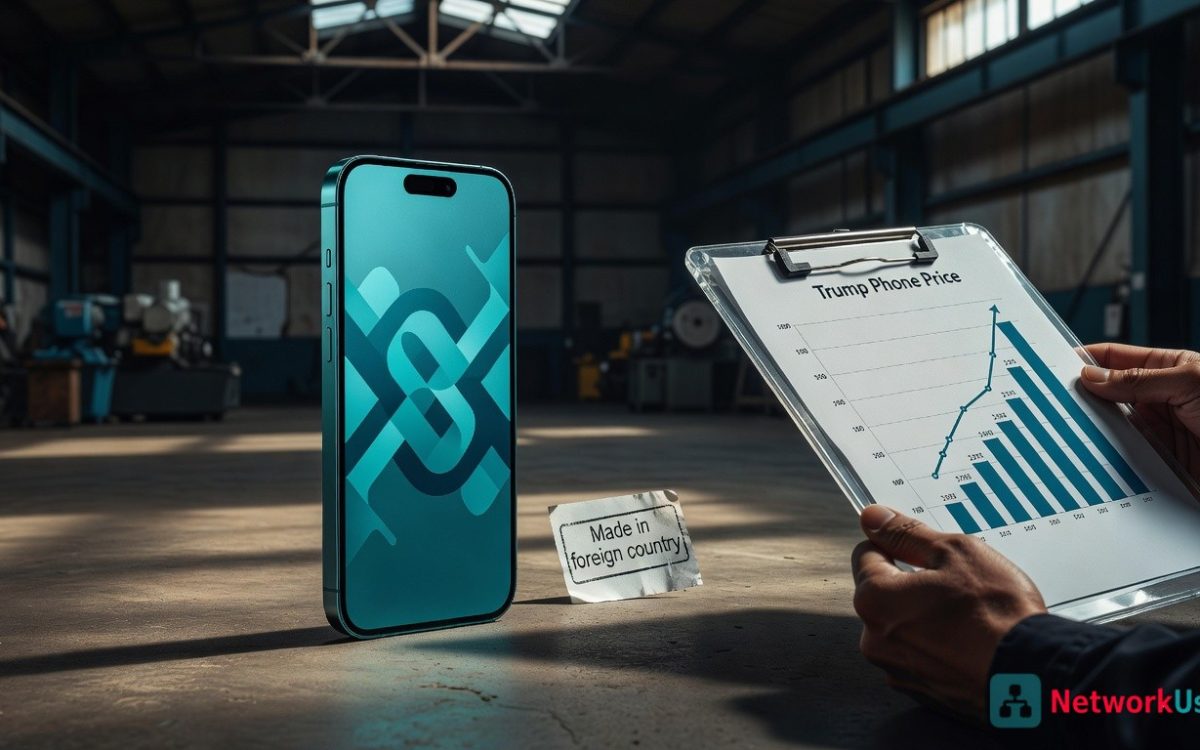
Reports have surfaced claiming the Trump Phone, a smartphone associated with former President Donald Trump, carries a higher price tag, features a distinct design, and is not manufactured in the United States.
Details emerged this week from unnamed sources familiar with the product’s development, suggesting the device aims to appeal to a specific segment of consumers amid ongoing discussions about domestic production in the tech sector. The phone’s reported cost exceeds that of comparable models from major brands, with estimates placing it above $1,000, though exact figures remain unconfirmed.
Design and Manufacturing Details
The Trump Phone reportedly deviates from standard smartphone aesthetics, incorporating elements that align with branding tied to the former president. Sources describe a casing with unique engravings and color schemes not seen in mainstream devices. Unlike many American-market phones assembled domestically or in allied nations, production is said to occur overseas, potentially in facilities in Asia.
This manufacturing choice has drawn early scrutiny, as it contrasts with calls for “Made in America” initiatives often championed in political circles. Industry observers note that while components for smartphones are globally sourced, final assembly locations can influence perceptions of economic impact.
For context on tech manufacturing trends, recent demonstrations of automation highlight how robotics could shift production dynamics, though such technologies have not yet resolved offshoring issues in consumer electronics.
Pricing Comparison
At a time when flagship smartphones from companies like Apple and Samsung typically start around $800 to $900, the Trump Phone’s higher price point could position it as a premium offering. Reports indicate the cost stems from custom features and limited production runs, but without official specifications, comparisons are preliminary.
Analysts point to similar ventures, such as celebrity-endorsed gadgets, which often command elevated prices due to branding rather than superior technology. The device’s reported lack of U.S. manufacturing adds another layer, potentially affecting its appeal to buyers prioritizing domestic jobs.
Background on the Project
The Trump Phone concept gained attention during the 2024 election cycle, with mentions of a branded device to support communication tools for supporters. It ties into broader efforts by Trump-affiliated entities to expand into consumer products, following lines of merchandise like apparel and accessories.
Why this matters: In an era of supply chain vulnerabilities exposed by global events, the choice of foreign production for a product linked to an “America First” figure raises questions about consistency. Consumer tech sales in the U.S. topped $200 billion last year, per industry data, making any new entrant noteworthy for its potential market share.
Similar to how smart home devices from Google adjust pricing strategies, the Trump Phone’s cost could influence adoption rates among its target audience, which includes political enthusiasts and those seeking alternative options to big tech.
Statements from Involved Parties
Representatives for the project have not issued official comments on the reports. According to sources cited in tech outlets, developers emphasized quality control in overseas plants as a reason for the manufacturing decision. One anonymous insider paraphrased a team member saying the design reflects “bold American values” despite the production location.
Tech policy experts, such as those from the Information Technology and Innovation Foundation, have weighed in generally on branded phones, noting they often prioritize marketing over specs. No direct quotes from Trump or his organization were available at press time.
Future Developments
Pending confirmation, the Trump Phone could launch later this year, with details on availability expected soon. If reports hold, it may spark debates on trade policies and consumer choices in the smartphone market. Watch for announcements that clarify pricing, design specs, and supply chain details.
Broader implications include how such products navigate tariffs and incentives for U.S. manufacturing. As the tech landscape evolves, this case exemplifies tensions between branding ambitions and practical production realities.
(Word count: 612)