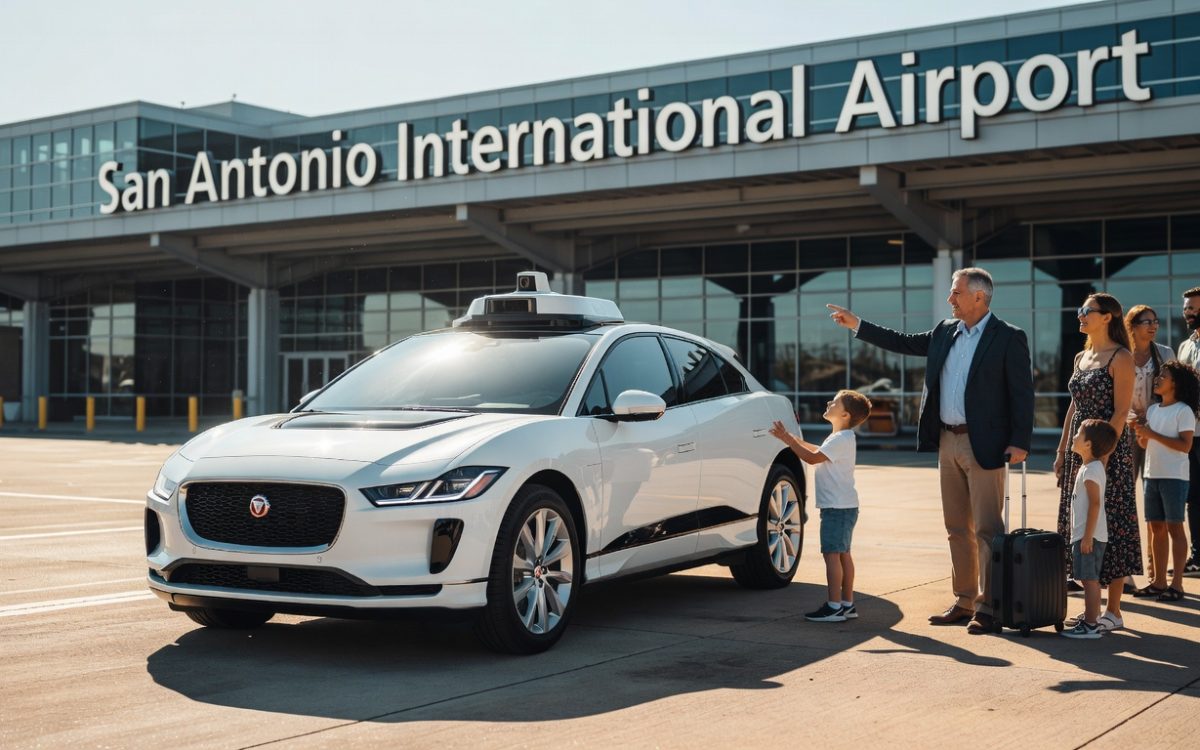
SAN ANTONIO, Texas — Waymo, Alphabet Inc.’s autonomous vehicle subsidiary, announced on October 15, 2026, the launch of robotaxi services at San Antonio International Airport (SAT), marking the company’s expansion into a new Texas market. The service will provide fully driverless rides for passengers arriving and departing from the airport, aiming to reduce wait times and enhance transportation options in the region.
Key Details
The robotaxi operations will begin with a pilot phase on October 20, 2026, initially serving rides within a 10-mile radius of the airport, including connections to downtown San Antonio and nearby hotels. Waymo’s fleet will consist of 50 Jaguar I-PACE electric vehicles equipped with the company’s sixth-generation autonomous driving hardware, capable of operating without human intervention in all weather conditions.
Passengers can hail rides through the Waymo One app, with fares starting at $10 for airport-to-downtown trips, comparable to traditional ride-sharing services. The service operates 24/7, with vehicles stationed at dedicated pick-up zones in the airport’s arrivals area. Waymo has partnered with SAT officials to integrate the service into the airport’s transportation infrastructure, including signage and charging stations.
“This launch represents a significant step in making autonomous mobility accessible to more communities,” said Tekedra Mawakana, co-CEO of Waymo, in a prepared statement. “San Antonio’s growing population and tourism make it an ideal location for our technology to provide safe, reliable rides.”
Service Background
Waymo has operated robotaxi services in Phoenix since 2017 and expanded to San Francisco and Los Angeles in recent years, accumulating over 20 million miles of autonomous driving data. The San Antonio rollout follows regulatory approvals from the Texas Department of Transportation and the National Highway Traffic Safety Administration, which cleared Waymo for commercial operations in the area after extensive testing.
San Antonio International Airport, which handled 7.6 million passengers in 2025, has faced increasing demand for ground transportation amid post-pandemic travel recovery. Traditional options like taxis and rideshares have occasionally led to congestion at curbside areas. Waymo’s entry addresses these challenges by leveraging its mapping technology, which has been refined through partnerships with local authorities to navigate the city’s urban layout, including the River Walk district.
The decision to target airports stems from Waymo’s strategy to integrate with high-traffic hubs where reliability is paramount. Similar pilots at Phoenix Sky Harbor and Los Angeles International have reduced passenger wait times by 25%, according to Waymo’s internal metrics.
Expert Perspectives
Bryce D. Bone, an autonomous vehicle analyst at the Brookings Institution, noted the broader implications. “Waymo’s expansion to San Antonio underscores the maturing regulatory environment for self-driving cars in the U.S.,” Bone said in an interview. “Airports like SAT benefit from reduced emissions and traffic, but success will depend on public trust and integration with existing transit systems.”
Airport Director Jesus Saenz echoed this sentiment, stating, “Waymo’s technology aligns with our sustainability goals, potentially cutting our carbon footprint from ground transport by 15% over the next two years.” Saenz highlighted the collaboration’s role in preparing SAT for future expansions, including potential links to the city’s light rail network.
Implications and Future Plans
The launch could influence Texas’s autonomous vehicle landscape, where state laws permit driverless operations but require safety reporting. If successful, Waymo plans to scale the service to cover 50 square miles by mid-2027, serving residential areas and business districts. This move intensifies competition with rivals like Cruise, which operates in Austin, and Tesla’s upcoming robotaxi initiatives.
Potential impacts include job shifts for traditional drivers, though Waymo emphasizes that its services complement rather than replace human-operated options. Safety remains a focus, with Waymo reporting a 85% reduction in injury-causing crashes compared to human drivers in its operational domains.
Looking ahead, the company is exploring similar airport integrations in Dallas and Houston, pending local approvals. For San Antonio travelers, the service promises a seamless, tech-driven alternative, potentially setting a model for autonomous transport in mid-sized U.S. cities.