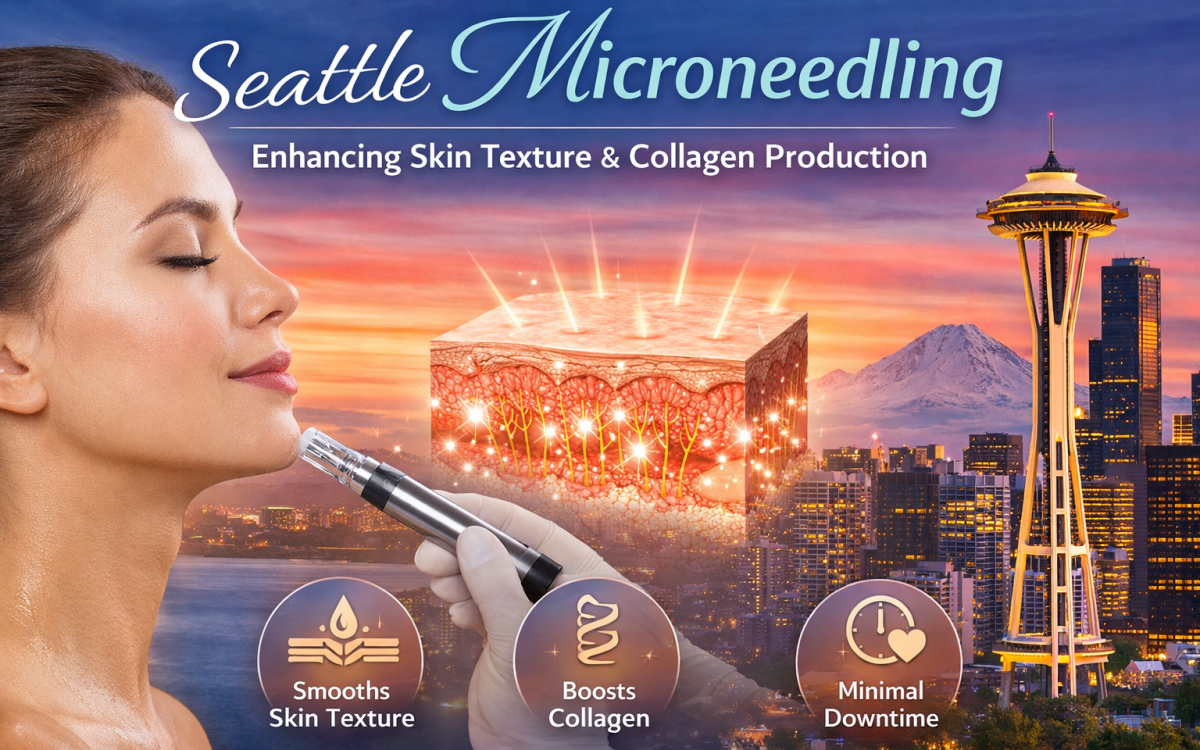
Skin concerns such as uneven texture, acne scarring, and early signs of aging often stem from changes beneath the surface. Treatments that stimulate the skin’s natural repair processes have gained popularity for their ability to improve skin quality without surgery. For individuals researching seattle microneedling, the interest is typically in achieving smoother, healthier-looking skin with minimal downtime.
Microneedling has become a cornerstone of non-invasive skin rejuvenation by promoting collagen and elastin production through controlled micro-injury.
Why Collagen Stimulation Matters for Long-Term Skin Health
Collagen is the primary structural protein responsible for skin firmness, elasticity, and resilience. As collagen levels decline with age, the skin becomes thinner, less elastic, and more prone to fine lines and scarring. External factors such as UV exposure, environmental pollution, and lifestyle stressors can accelerate collagen breakdown even further.
Microneedling addresses these issues by reactivating the skin’s natural repair cycle. Rather than adding volume or masking concerns, the treatment strengthens the skin from within, making it a popular option for patients seeking natural-looking improvement.
What Is Microneedling
Microneedling is a procedure that uses fine needles to create controlled microchannels in the skin. These micro-injuries trigger the body’s natural healing response, stimulating the production of collagen and elastin.
As the skin repairs itself, texture becomes smoother, tone more even, and firmness improves gradually. This biological approach allows results to develop naturally over time.
The Science Behind Controlled Micro-Injury
The microchannels created during microneedling are carefully controlled in depth and distribution. This precision ensures the skin is stimulated without causing damage. The healing response activates fibroblasts, increases blood flow, and promotes cellular turnover, all of which contribute to healthier skin structure.
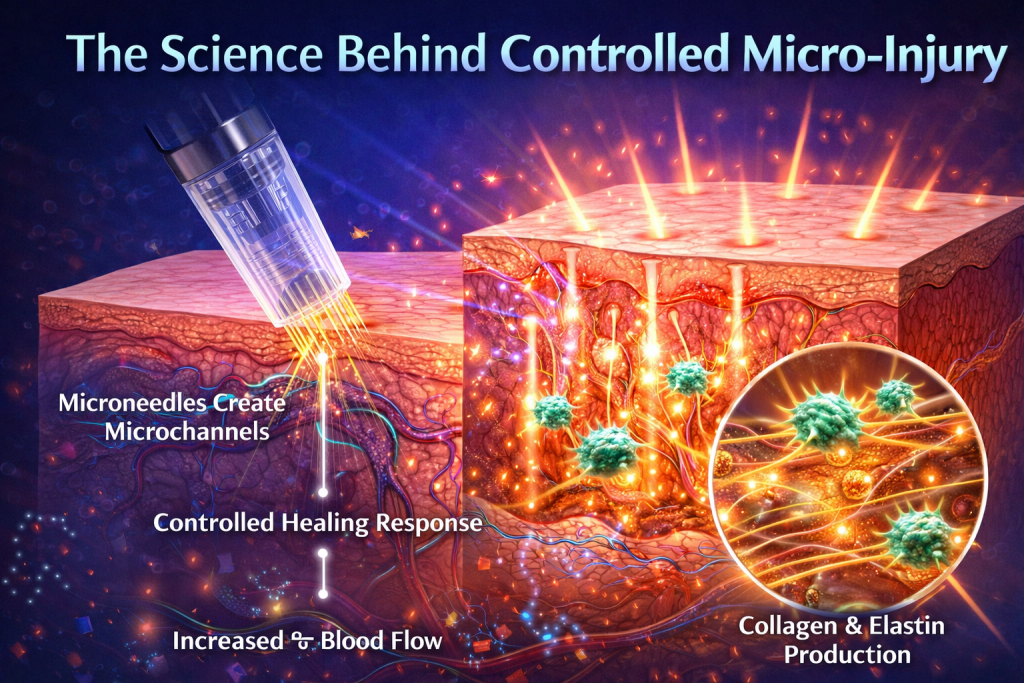
Because the skin repairs itself using its own biological processes, results improve gradually and continue developing well after treatment.
Benefits of Microneedling Treatments
Microneedling addresses a wide range of skin concerns, including fine lines, enlarged pores, acne scars, and uneven skin tone. It can also improve skin luminosity and enhance the absorption of topical treatments.
Patients often search for microneedling near me when looking for non-surgical solutions that offer noticeable improvement without extended recovery periods.
Additional Benefits Beyond Texture Improvement
In addition to smoothing and resurfacing, microneedling can strengthen the skin barrier and improve hydration retention. Many patients report that their skin appears brighter, makeup applies more evenly, and skincare products perform better following treatment.
Microneedling is also versatile and can be used on the face, neck, chest, and other areas affected by textural irregularities or scarring.
RF Microneedling Explained
rf microneedling combines traditional microneedling with radiofrequency energy delivered into deeper layers of the skin. This added energy enhances collagen stimulation and tightens underlying tissue.
RF microneedling is particularly effective for skin laxity, deeper wrinkles, and acne scarring. By targeting both surface and deeper structures, it offers more comprehensive rejuvenation compared to microneedling alone.
Why Radiofrequency Enhances Results
Radiofrequency energy generates controlled heat in the dermal layers of the skin. This thermal effect causes collagen fibers to contract while stimulating new collagen production over time. When paired with microneedling, the treatment delivers both mechanical and thermal stimulation for more robust remodeling.
This makes RF microneedling a preferred option for patients with more advanced skin concerns or those seeking longer-lasting improvement.
Treatment Experience
Microneedling treatments typically begin with the application of a topical numbing agent to improve comfort. The procedure itself takes about 30 to 60 minutes, depending on the treatment area.
Patients may experience redness and mild swelling immediately after treatment, similar to a sunburn. These effects usually subside within a few days.
What the Procedure Feels Like
During treatment, patients often describe the sensation as pressure or vibration rather than pain. Providers adjust needle depth and technique based on skin thickness and the specific concern being treated. RF microneedling may feel slightly warmer due to the radiofrequency energy, but discomfort remains manageable.
Downtime and Recovery
Downtime from microneedling is minimal. Most patients resume normal activities within 24 to 48 hours. Skin care instructions focus on gentle cleansing, hydration, and sun protection during the healing period.
RF microneedling may involve slightly longer recovery, but downtime remains manageable for most individuals.
Post-Treatment Care and Healing
Following treatment, patients are advised to avoid harsh skincare products, excessive heat, and direct sun exposure for several days. Hydration and barrier-repair products help support healing and optimize results.
Adhering to aftercare instructions plays a critical role in minimizing irritation and enhancing overall outcomes.
Results Timeline
Initial improvements in skin texture may appear within a few weeks, with continued enhancement over several months as collagen production increases. A series of treatments is often recommended for optimal results.
Because collagen remodeling takes time, patience is key to achieving full benefits.
How Many Sessions Are Typically Recommended
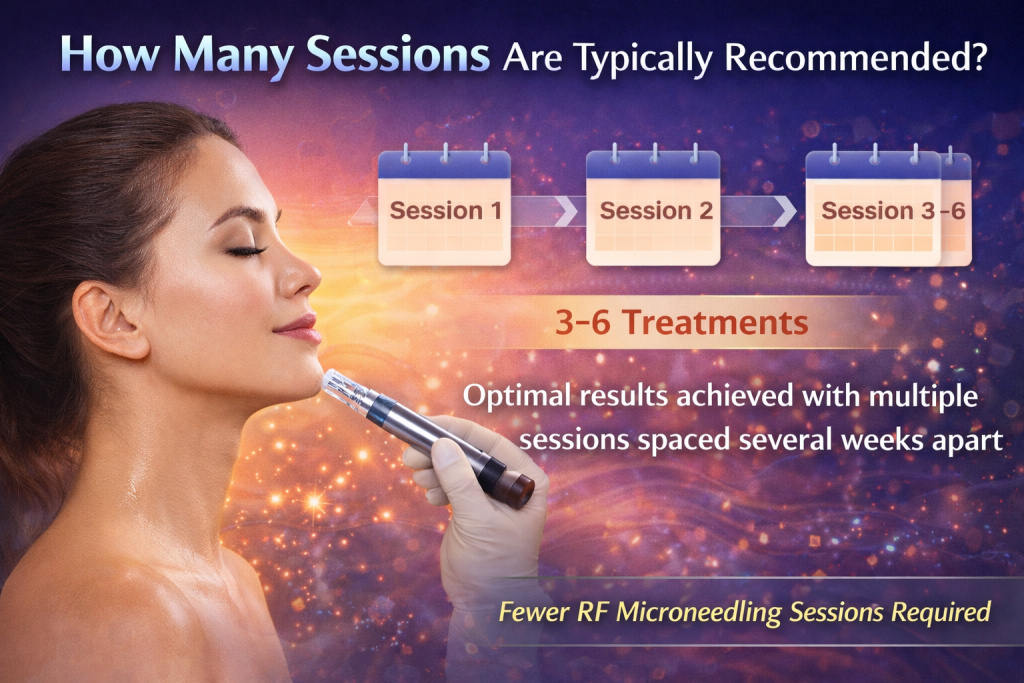
Most patients benefit from a series of three to six microneedling sessions spaced several weeks apart. RF microneedling often requires fewer sessions due to its deeper collagen stimulation.
Maintenance treatments may be recommended to support long-term skin health.
Who Is a Good Candidate
Microneedling is suitable for many skin types and tones. Ideal candidates include individuals with early to moderate skin concerns who want gradual improvement rather than dramatic change.
A professional consultation ensures that treatment depth and technique are tailored to individual skin needs.
When Microneedling May Not Be Appropriate
Patients with active infections, certain inflammatory skin conditions, or impaired healing may need to postpone treatment. A consultation helps determine whether microneedling or an alternative approach is most appropriate.
Safety and Professional Care
Microneedling should be performed by trained providers using sterile, medical-grade devices. Proper technique minimizes risks and ensures consistent outcomes.
Choosing an experienced provider is especially important when considering advanced options such as RF microneedling.
Professional Treatments vs At-Home Devices
At-home rollers and non-medical devices do not provide the same level of control, depth, precision, or sterility as professional treatments. Medical-grade microneedling delivers safer, more predictable, and more effective results.
Final Thoughts on Microneedling
Microneedling offers a versatile and effective approach to skin rejuvenation by working with the body’s natural healing mechanisms. With minimal downtime and progressive results, it remains a popular choice for improving skin quality.
When performed by skilled professionals and paired with appropriate aftercare, microneedling can deliver long-lasting improvements in texture, tone, and firmness.