classful addressing
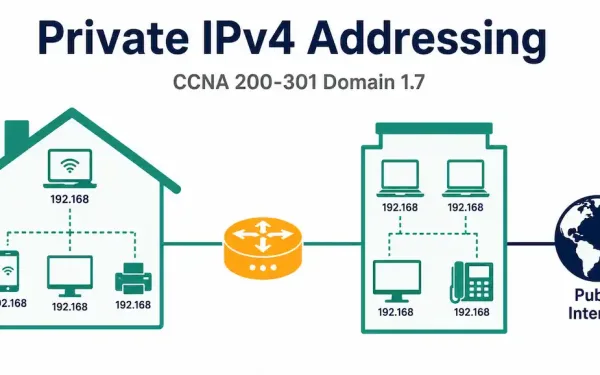
Private IPv4 Addressing: Why RFC 1918 Exists and How It Actually Works
Domain 1.7 | Network Fundamentals — 20% of exam Learning Objectives By the end of this lesson, you will be able to: Key Terms Term Definition RFC 1918 The internet standards document reserving three IPv4 ranges for private use Public IP address A globally unique, internet-routable address Private IP address A non-internet-routable address reserved for...
Classful vs. Classless IP Addressing: A Complete CCNA Guide
IP addressing is the foundation of every network. Every device — a laptop, a server, an IoT sensor — needs an IP address to send and receive data. But the way those addresses are organized has changed fundamentally since the early internet. The original system, classful addressing, divided the address space into rigid classes and...
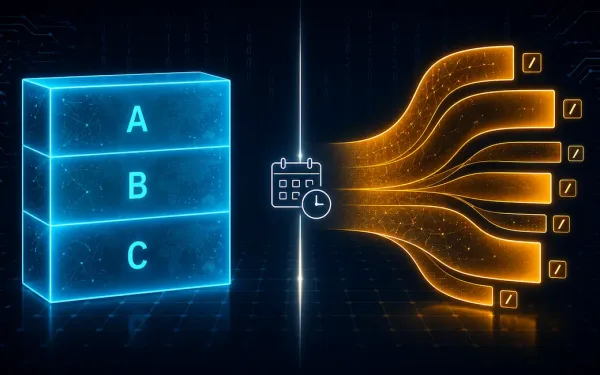
Classful vs. Classless Addressing: What’s the Difference?
Classful and classless addressing describe two different ways to structure an IPv4 address. Classful addressing came first, in the early internet of the 1980s. It used fixed Class A, B, and C ranges. That rigid structure eventually led to serious IPv4 address exhaustion. CIDR arrived in 1993 and introduced classless addressing instead, allowing flexible prefixes...