Search behavior has changed faster than most website owners can track. Gartner predicts traditional search engine volume will drop 25% by 2026, pushed aside by AI chatbots and virtual agents. Nearly 60% of Google searches now end without a click. Over 400 million people use ChatGPT weekly to find answers, and Perplexity has 15 million monthly users doing the same. The old model of building a site, optimizing it quarterly, and waiting for traffic no longer applies.
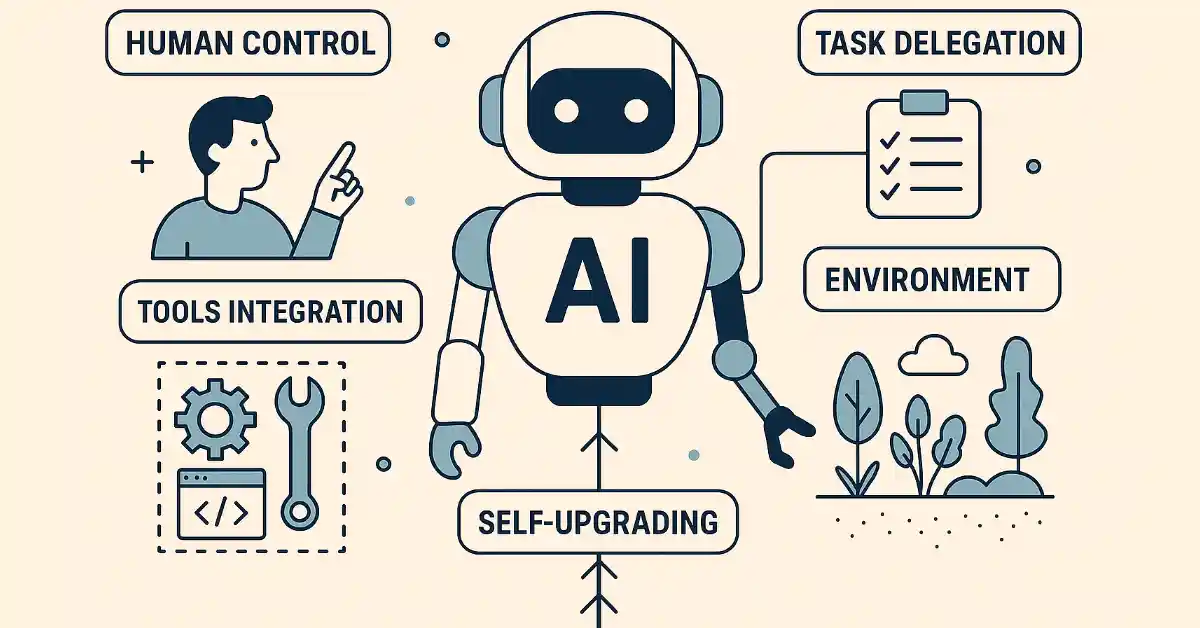
A new category of website has started appearing. These sites monitor competitor activity, identify weaknesses in their own content, and push self-upgrading on a weekly cycle without requiring constant human oversight. The technical foundation combines automated competitive intelligence with content generation and on-page optimization. The human role becomes oversight and direction rather than execution.
How Self-Upgrading Sites Actually Work
The term gaining traction is “autonomous websites.” These are described as self-governing digital entities powered by interconnected AI agents. The agents run continuous audits, track competitor changes, and update site content to maximize organic traffic. Human intervention drops to approval and strategy.
One practical function involves click-through rate analysis. The system identifies pages with high impressions but low clicks in search results. It then compares those pages against competitor content ranking for the same terms. The output is data-driven suggestions for title tags, meta descriptions, and content restructuring. Some systems go further and implement changes directly, holding them for review before publishing.
The weekly upgrade cycle works because search engines now process and rank content faster than before. A page updated on Monday can show ranking movement by Thursday. Sites running on monthly or quarterly update schedules miss these windows repeatedly.
Competitive Monitoring Without the Manual Grind
The martech stack problem is real. Out of 15,384 tools available in 2025, companies use about a third of what they pay for. Automated competitor analysis sits in that unused pile for most businesses, yet one case study showed win rates jumping from 16% to 45% when real-time competitive insights were properly deployed. The gap between owning the tool and using it well remains wide.
Some teams now build a website with AI platforms to handle baseline updates while freeing hours for competitive research. Autonomous systems flag pages with high impressions but low click-through rates and automatically suggest fixes. The manual weekly audit becomes a review session instead of a starting point.
What Gets Monitored
Competitor tracking at this level goes beyond checking prices or reading blog posts. The systems pull structured data on:
- New pages added to competitor sites
- Changes to existing page titles and headers
- Backlink acquisition patterns
- Content gaps where competitors rank and you do not
- Schema markup updates
- Page speed improvements
- New feature launches
This information feeds into the upgrade queue. If a competitor adds a comparison table to a product page and starts outranking you, the system flags the opportunity. The response can be drafted automatically or assigned to a human writer with context already assembled.
The Conversion Angle
Traffic quality has become more relevant than traffic volume. Ahrefs reports that AI-referred traffic converts at rates exceeding 10%, even though it represents less than 1% of their total visitors. Users arriving from AI assistants tend to be further along in their decision process. They have already asked questions and received partial answers. They click through when ready to act.
Self-upgrading sites can optimize specifically for this behavior. The content structure changes to answer the questions AI assistants are pulling from. Headings become more direct. Supporting data appears earlier in the page. The goal shifts from ranking broadly to being the source AI systems reference and link to.
Weekly Cycles in Practice
A typical weekly upgrade process runs like this:
Monday: The system completes its competitor scan and identifies changes from the previous week. New content from competitors gets cataloged. Ranking shifts get logged.
Tuesday: Pages on your site with declining performance get flagged. The system cross-references these against competitor improvements to find correlations.
Wednesday: Draft updates are generated. These might include new sections, revised introductions, updated statistics, or restructured headings.
Thursday: Human review happens. Editors approve, modify, or reject proposed changes. Approved updates go live.
Friday: Performance baselines get recorded for the following week’s comparison.
This cadence keeps the site responsive without requiring daily attention from staff.
Limitations Worth Noting
Autonomous systems cannot replace editorial judgment entirely. They optimize for measurable outcomes, which means they can miss brand voice, strategic positioning, or content that serves purposes beyond traffic acquisition. A page might perform poorly in search but convert well through email campaigns or paid ads. The system would flag it for changes that could undermine its actual function.
Human oversight remains necessary for:
- Brand consistency
- Factual accuracy verification
- Strategic content decisions
- Legal and compliance review
- Customer relationship considerations
The technology handles the research and drafting burden. Final decisions still require human input.
Where This Heads Next
The gap between sites using these systems and sites relying on manual processes will widen. Weekly optimization compounds over months. A site improving 2% each week will look completely different from its competitors after a year. The competitors still operating on quarterly review cycles will find themselves responding to changes that happened 12 weeks earlier.
The tools exist now. Implementation requires connecting existing platforms and establishing review processes. The sites that move first will have compounding advantages that become harder to close over time.
FAQs
What are self-upgrading websites?
Self-upgrading websites, or autonomous websites, use interconnected AI agents to monitor competitors, audit content weaknesses, and push weekly updates automatically. They handle SEO optimization, click-through analysis, and content generation, shifting human roles to oversight while adapting to declining search volumes and AI-driven queries.
How does competitive monitoring work in autonomous websites?
Autonomous systems track competitor changes like new pages, title/header updates, backlinks, content gaps, schema markup, page speed, and features. This data feeds an upgrade queue, flagging opportunities (e.g., adding comparison tables) and drafting responses, reducing manual research and enabling real-time responses.
What is the weekly upgrade cycle for self-upgrading sites?
Monday: Scan competitors and log changes. Tuesday: Flag declining pages and correlate with rival improvements. Wednesday: Generate draft updates like new sections or headings. Thursday: Human review and publish. Friday: Record baselines. This fast cadence leverages quick search engine ranking shifts.
Why focus on AI-referred traffic in autonomous websites?
AI traffic converts over 10% despite low volume, as users arrive decision-ready after chatbot interactions. Sites optimize by structuring content with direct headings and early data to be referenced by AI assistants, prioritizing quality over broad rankings for better engagement and action.
What are the limitations of self-upgrading websites?
They can’t fully replace human judgment for brand voice, strategic positioning, factual accuracy, legal compliance, or non-traffic goals like email conversions. Oversight is needed to avoid undermining site functions, as systems focus on measurable SEO outcomes and may miss nuanced decisions.