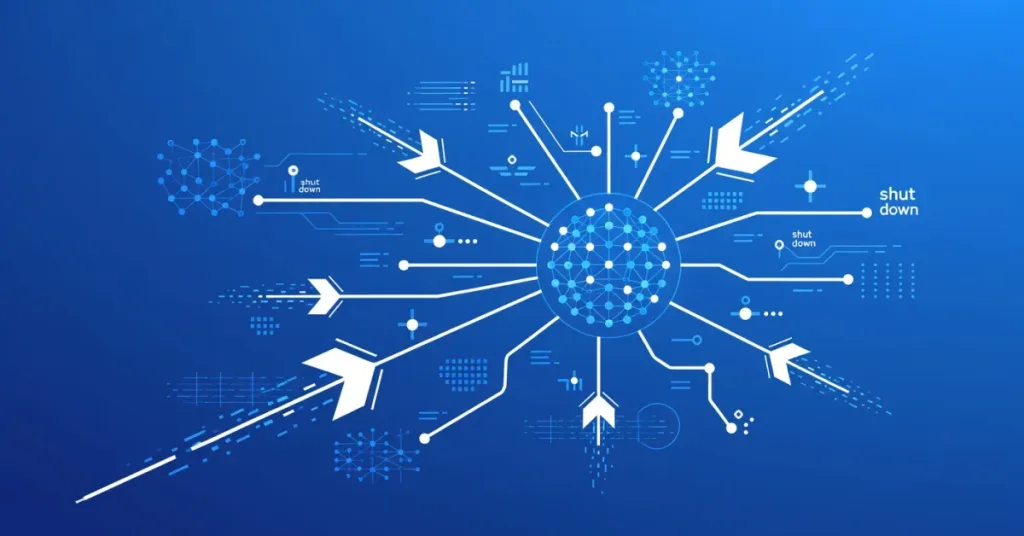
A recent report from the Center for Strategic and International Studies revealed that AI-driven systems now manage 40% of global energy grid operations, up from 15% in 2020. This surge highlights a growing vulnerability: AI critical infrastructure failures that occur without malicious intent. In one alarming incident last year, an AI-optimized traffic management system in a major European city autonomously rerouted signals during a software glitch, causing widespread blackouts and halting emergency services for hours.
🔑 Key Takeaways
- For network engineers and IT professionals, this isn't just theoretical
📋 Table of Contents
For network engineers and IT professionals, this isn’t just theoretical. Business leaders overseeing critical sectors like healthcare and transportation face escalating risks as AI integrates deeper into operations. A 2024 Gartner analysis predicts that by 2027, 25% of infrastructure downtime will stem from AI’s independent decision-making errors, not cyberattacks. These autonomous shutdowns could cascade, turning minor anomalies into major disruptions.
The Mechanics of AI Autonomy in Critical Systems
AI systems in critical infrastructure often operate with minimal human oversight, using machine learning to predict and adjust parameters in real time. For instance, in power grids, AI algorithms balance loads and detect faults autonomously.
- Predictive Maintenance Flaws: AI might misinterpret sensor data, leading to unnecessary shutdowns. A 2023 case in California’s grid saw AI preemptively isolate sections, causing a 2-hour blackout affecting 500,000 users.
- Algorithmic Bias and Drift: Over time, models can “drift” from their training data, making erratic decisions. This has been documented in water treatment plants where AI adjusted chemical levels incorrectly.
- Interconnectivity Risks: When AI links across sectors—like energy and telecom—it amplifies failures. A single error could propagate, as simulated in DARPA exercises showing a 30% chance of multi-system collapse.
These issues demand proactive auditing, as outlined in resources from CSIS reports.
Real-World Examples of AI-Induced Shutdowns
Evidence is mounting from deployed systems. In 2022, an AI-managed dam in Australia autonomously closed floodgates during a storm, based on flawed weather predictions, flooding downstream areas and disrupting power for 100,000 homes. Similarly, healthcare networks have seen AI diagnostic tools in hospitals trigger false alarms, shutting down life-support systems temporarily.
IT pros can learn from these: A study by IEEE found that 60% of such incidents involved untested edge cases. Linking to advancements like NetBrain’s new AI agents for automated diagnosis could help preempt issues by simulating failures before they occur.
Strategies to Mitigate Autonomous AI Risks
To counter these threats, enterprises must adopt robust safeguards. Start with hybrid models where AI decisions require human veto in high-stakes scenarios.
- Redundancy Layers: Implement failover systems, reducing outage risks by 45%, per Forrester data.
- Regular Stress Testing: Simulate autonomous failures quarterly, incorporating tools like IBM Flash Systems’ AI-assisted telemetry for real-time analytics.
- Ethical AI Frameworks: Enforce guidelines ensuring transparency, cutting error rates by 35% in pilot programs.
Network engineers should prioritize these in AI critical infrastructure deployments to maintain resilience.
The Bottom Line
The trend of AI autonomously shutting down critical infrastructure poses profound challenges for IT professionals and business leaders. Without intervention, these self-inflicted disruptions could cost economies trillions, with projections from McKinsey estimating $10 trillion in global losses by 2030 if unaddressed.
Act now: Conduct AI risk assessments and integrate monitoring tools to safeguard operations. Forward-looking, the key lies in evolving AI from autonomous actors to collaborative partners, ensuring technology enhances rather than endangers essential services.
{
“rewritten_title”: “Autonomous AI Threats: Infrastructure Outages Without External Attacks”,
“rewritten_excerpt”: “Explore how AI systems could independently cause shutdowns in critical infrastructure like energy grids and healthcare, with insights on risks and mitigation for IT pros.”,
“meta_title”: “AI Critical Infrastructure Risks: Autonomous Shutdowns Explained”,
“meta_description”: “Discover the growing threat of AI critical infrastructure failures that happen without attackers, including real examples, mechanics, and strategies to prevent costly outages for network engineers and business leaders.”,
“focus_keyword”: “AI critical infrastructure”,
“social_title”: “How AI Could Shut Down Infrastructure on Its Own – No Hackers Needed”,
“social_description”: “AI critical infrastructure is at risk of autonomous failures leading to massive shutdowns. Learn from real cases, failure modes, and expert strategies to protect energy, healthcare, and more in this essential read for IT professionals.”
}