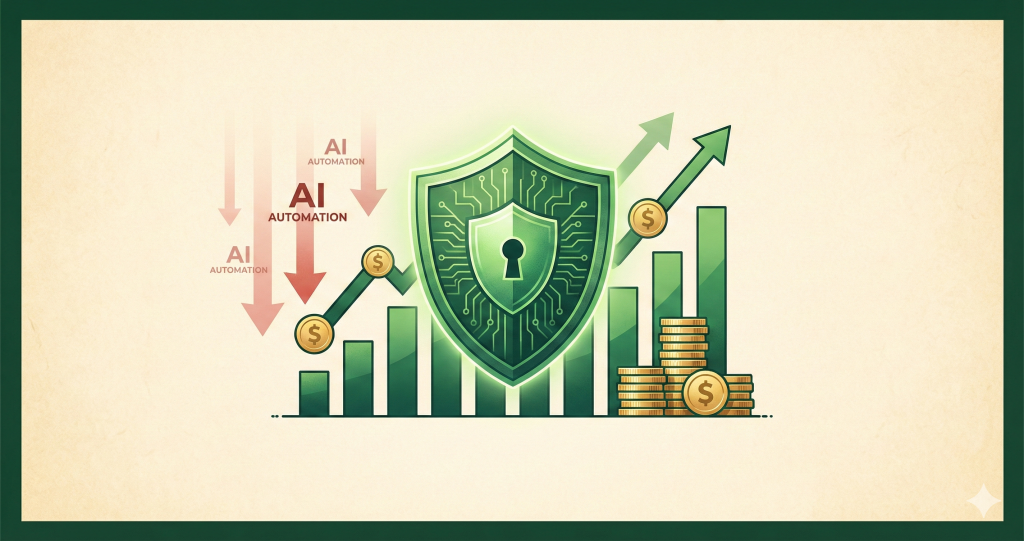
A 2023 Gartner survey revealed that IT professionals specializing in network security earned bonuses averaging 25% higher than their peers, driven by skills resistant to automation. This trend underscores a shift in compensation strategies, where enterprises prioritize human expertise in areas like threat hunting and ethical hacking. For network engineers and IT leaders, this means tangible rewards for mastering complex, judgment-based tasks that AI tools can’t fully replicate.
🔑 Key Takeaways
- Business leaders are responding to escalating cyber threats, with ransomware attacks surging 73% year-over-year, per Cybersecurity Ventures
- Regulatory Compliance: Navigating frameworks like GDPR or NIST requires interpretive expertise, not just code
📋 Table of Contents
Business leaders are responding to escalating cyber threats, with ransomware attacks surging 73% year-over-year, per Cybersecurity Ventures. Companies like Cisco and Palo Alto Networks report that while automation handles routine monitoring, human ingenuity remains irreplaceable for interpreting anomalies and devising bespoke defenses. This bonus structure not only retains top talent but also signals to professionals that investing in network security skills pays off amid a talent shortage projected to reach 3.5 million unfilled cybersecurity roles by 2025.
Why Network Security Skills Resist Automation
Automation excels at repetitive tasks, but network security skills involving intuition and adaptability evade easy replication. For instance, configuring zero-trust architectures requires understanding nuanced organizational contexts, something AI struggles with due to its reliance on predefined data sets.
- Threat Intelligence Analysis: Professionals must correlate disparate data sources to predict attacks, a skill demanding creativity over algorithms.
- Incident Response: Real-time decision-making in breaches involves ethical judgments, like balancing data recovery with legal compliance.
- Custom Encryption Strategies: Tailoring protocols to specific enterprise needs goes beyond automated tools, reducing breach risks by up to 40%.
Enterprises investing in these areas see improved resilience, as evidenced by IBM’s quantum-secure networks, which blend human oversight with emerging tech. For more on quantum advancements, check out IBM Research: When AI and quantum merge.
High-Demand Skills Driving IT Bonuses
The bonus surge targets network security skills like penetration testing and secure network design, which command premiums in hiring. A Robert Half report notes that certified ethical hackers earn 15-20% more in bonuses, reflecting their role in preempting vulnerabilities that automation might overlook.
Key drivers include:
- Regulatory Compliance: Navigating frameworks like GDPR or NIST requires interpretive expertise, not just code.
- Hybrid Cloud Security: Securing multi-cloud environments, as in AWS Outposts, demands hands-on configuration. Learn about space-based deployments in Starcloud prepares to launch AWS Outpost into space.
- AI-Enhanced Threats: Countering AI-driven attacks needs human foresight, with bonuses rewarding pros who integrate tools without over-relying on them.
This aligns with booming data center investments, where security is paramount. For insights on capex trends, see Data center capex to hit $1.7 trillion by 2030 due to AI boom.
Case Studies: Bonuses in Action
Real-world examples highlight the payoff. At a major bank, network security teams implementing adaptive firewalls received 30% bonuses after thwarting a sophisticated DDoS attack, per a case study from Deloitte. Similarly, telecom firms like Verizon offer incentives for skills in 5G network hardening, which can’t be fully automated due to dynamic spectrum management.
Challenges persist, such as supply chain vulnerabilities in hardware, as noted by Arista’s concerns over memory shortages. Explore that in Arista laments ‘horrendous’ memory situation. For authoritative data on cybersecurity trends, visit Gartner’s cybersecurity insights.
The Bottom Line
In summary, IT bonuses are increasingly rewarding network security skills that automation can’t touch, fostering a workforce equipped for evolving threats. This impacts professionals by boosting earning potential and enterprises by enhancing defenses against breaches costing an average $4.45 million, according to IBM.
IT pros should pursue certifications like CISSP or CCNP Security to capitalize on this trend—start by assessing your skills gap today. Business leaders, integrate bonus programs tied to non-automatable expertise to attract talent.
Looking ahead, as AI integrates deeper into networks, the premium on human-centric network security skills will only grow, potentially reshaping IT compensation models by 2030.
{
“rewritten_title”: “Premium Pay for Irreplaceable Cybersecurity Expertise in Networks”,
“rewritten_excerpt”: “Discover how bonuses are surging for IT pros with network security skills that defy automation, driven by rising threats and talent demands in cybersecurity.”,
“meta_title”: “Network Security Skills Earn Top IT Bonuses Amid Automation Rise”,
“meta_description”: “Explore why network security skills that can’t be automated are commanding higher IT bonuses, with stats on threat surges and talent shortages offering actionable insights for professionals and leaders.”,
“focus_keyword”: “network security skills”,
“social_title”: “Unlock Bonuses with Non-Automatable Network Security Skills”,
“social_description”: “IT bonuses are rewarding network security skills immune to automation—learn about high-demand expertise, real examples, and future trends to boost your career in cybersecurity.”
}