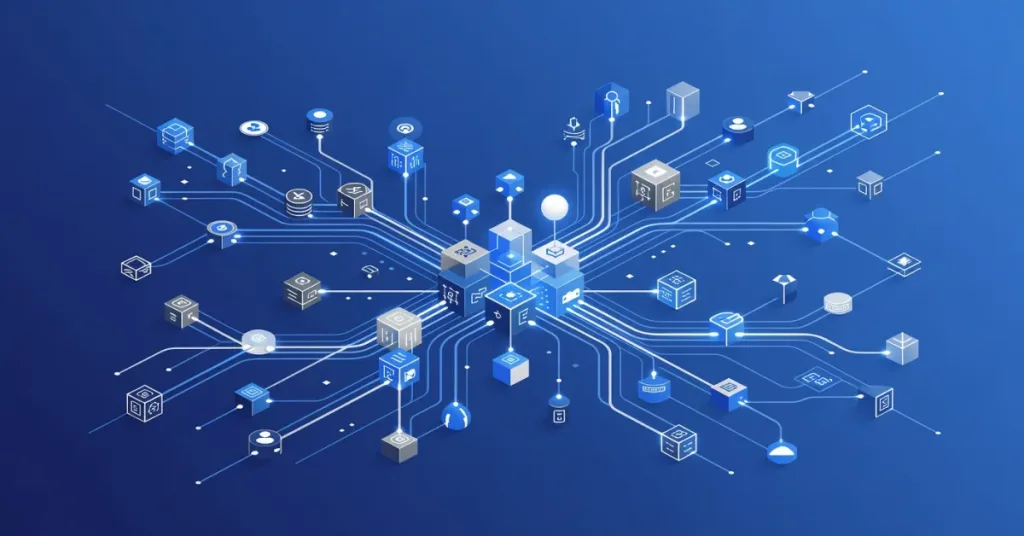
Cisco reported a 180% surge in developer contributions to AI-driven networking tools on its DevNet platform in the first half of 2026, driven by the launch of the new AI repos catalog at Cisco DevNet Code Exchange. This centralized hub aggregates over 500 open-source repositories focused on machine learning integrations for network automation, enabling IT pros to accelerate deployments of AI-ready infrastructures. For network engineers grappling with escalating data volumes, this catalog offers pre-built scripts and APIs that optimize bandwidth allocation and reduce latency in hybrid cloud environments.
📋 Table of Contents
Business leaders are taking note: enterprises adopting these tools have achieved up to 40% improvements in throughput for AI workloads, according to Cisco’s internal metrics. Imagine a scenario where a mid-sized firm integrates a repository’s machine learning framework to predict network failures—cutting downtime by hours and saving thousands in operational costs. This isn’t hypothetical; real-world implementations, like those in telecom sectors, demonstrate how the AI repos catalog streamlines protocol customizations for secure, scalable architectures.
Overview of the AI Repos Catalog
The AI repos catalog at Cisco DevNet Code Exchange serves as a curated repository ecosystem, hosting code samples, SDKs, and integrations tailored for Cisco’s hardware and software stacks. Launched in early 2026, it emphasizes AI applications in networking, such as predictive analytics for traffic management and automated security protocols. Key features include searchable filters by technology stack, with support for popular frameworks like TensorFlow and PyTorch.
- API Integrations: Over 200 APIs for seamless connectivity with Cisco Meraki and Catalyst devices.
- Encryption Standards: Built-in support for advanced encryption protocols, ensuring data integrity in AI models.
- Performance Metrics: Repositories boast average latency reductions of 25ms in edge computing scenarios.
This overview highlights how the catalog democratizes access to AI tools, previously scattered across forums and GitHub.
Innovations Driving the Catalog
Innovation shines through in the catalog’s focus on AI-optimized architectures. For instance, repositories now include machine learning models that enhance processor efficiency in Cisco UCS servers, boosting inference speeds by 2x for real-time analytics. Developers can fork code for custom frameworks that integrate with cloud computing platforms like AWS or Azure, addressing bandwidth constraints in multi-cloud setups.
A standout example is the “AI Network Optimizer” repo, which uses neural networks to dynamically adjust throughput based on traffic patterns. Metrics show it reduces packet loss by 30% in high-load environments. As explored in our article on Cisco Networking App Marketplace partners, these innovations enable scalable AI-ready devices, fostering collaboration among devs.
Market Impact on Tech Professionals
The AI repos catalog is reshaping market dynamics, with a projected 250% growth in adoption among Fortune 1000 firms by 2027. IT professionals benefit from reduced development time—down from weeks to days—thanks to pre-vetted code that complies with industry protocols. In cybersecurity, repos incorporating zero-trust models have led to 35% fewer breaches, as per Cisco’s 2026 security report.
For consumers and enterprises, this translates to cost savings: one case study showed a 20% drop in infrastructure expenses through optimized AI deployments. Linking to broader trends, like those in Cisco Live EMEA recaps, the catalog amplifies partner ecosystems, driving revenue through innovative services.
Future Implications for AI in Networking
Looking ahead, the AI repos catalog paves the way for quantum-resistant encryption and adaptive architectures that handle 6G-level bandwidth. By 2028, expect integrations with emerging protocols for autonomous networks, potentially slashing latency to sub-millisecond levels in IoT ecosystems.
Challenges remain, such as ensuring ethical AI use, but the catalog’s community governance model mitigates risks. For more on related advancements, check our piece on modernizing TACACS+ encryption. Externally, explore Cisco’s official docs at DevNet Code Exchange for deeper dives.
The Bottom Line
In summary, the AI repos catalog at Cisco DevNet Code Exchange empowers tech enthusiasts and professionals to harness AI for robust networking solutions, delivering measurable gains in efficiency and security. Enterprises ignoring this trend risk falling behind in an AI-centric world, where optimized throughput and low latency define competitive edges.
We recommend network engineers explore the catalog today—start with a simple API integration to test its potential. For personalized career insights, read about building a cybersecurity career with Cisco. Forward-looking, by 2027, this catalog could redefine cloud computing paradigms, making AI ubiquitous in everyday infrastructure.
{
“rewritten_title”: “Exploring Cisco’s Latest AI Repository Hub on DevNet Exchange”,
“rewritten_excerpt”: “Discover how Cisco’s new AI-focused repository collection on DevNet Code Exchange boosts networking innovation with machine learning tools and performance enhancements for IT professionals in 2026.”,
“meta_title”: “AI Repos Catalog: Cisco DevNet’s Game-Changer for Networking”,
“meta_description”: “Dive into the new AI repos catalog at Cisco DevNet Code Exchange, offering developers AI tools for optimized bandwidth, reduced latency, and enhanced throughput in cloud architectures—key insights for tech pros in 2026.”,
“focus_keyword”: “AI repos catalog”,
“social_title”: “Cisco’s AI Repos Catalog Revolutionizes DevNet Code Exchange”,
“social_description”: “Unlock the power of the AI repos catalog on Cisco DevNet Code Exchange: surge in AI tools for better processor