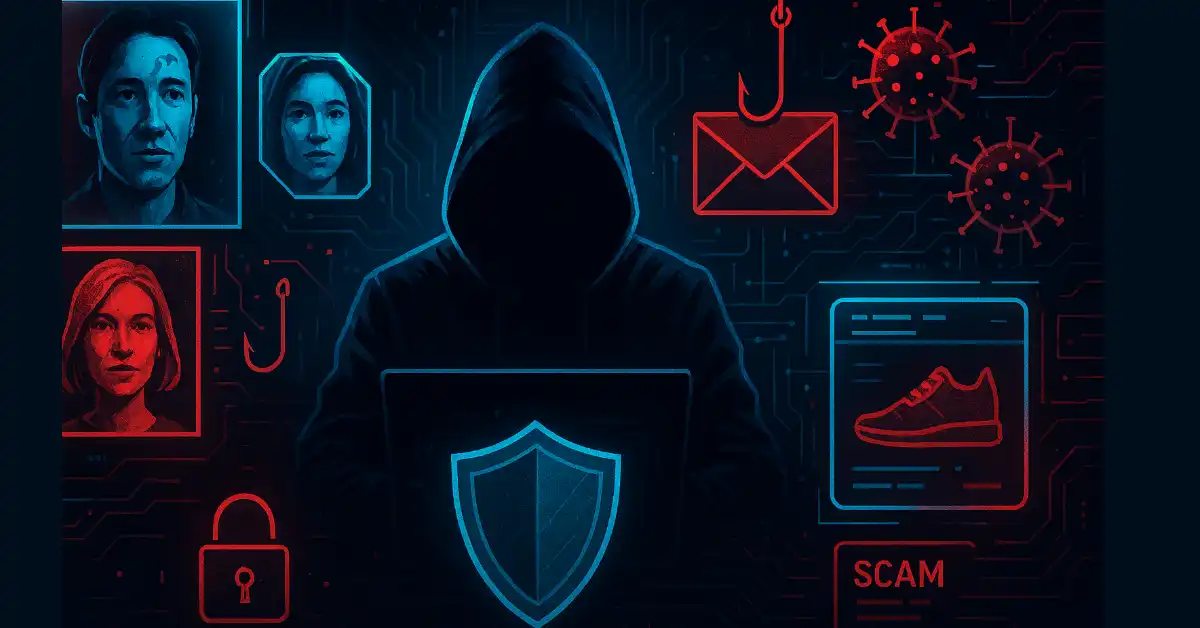
Cyberattacks have been around since before the internet, yet it seems like they’re being talked about much more in recent times. Data breaches that expose millions of people’s credentials and personal details regularly make headlines. Increasingly, so do attacks targeting individuals whose complexity wouldn’t have been possible even five years ago.
How are these digital threats evolving? Why are individuals now seen as worthwhile targets, and which methods have attackers developed to exploit them? Most importantly, what can an ordinary person do to stay one step ahead? We provide all these answers and more below.
The Evolution of Targeted Threats
Put simply, cyberattacks have evolved from broad and inefficient attempts to targeted, highly sophisticated operations that seek to exploit individual targets. Attackers used to flood emails with spam and let loose malware that would indiscriminately affect systems as long as these didn’t have up-to-date countermeasures.
Hacking efforts got more complex as bad actors organized. They began to target enterprises and banking systems. Data breaches became common, while ransomware could grind an organization’s entire operation to a halt. Clumsy phishing campaigns and the first social media attacks happened in parallel.
Now, we’ve entered an age of AI-assisted personalized attacks. Organizations remain valuable targets, but individuals are seen as having much to offer as well.
Why are cyberattacks focusing more on individuals?
Several factors come together to make people more tempting targets than previously assumed.
Personal data has become a valuable commodity, and individuals produce it in abundance. Almost every aspect of your digital life can be monetized. A stolen social media account can be used to spread malware to trusting friends. It’s not hard to piece together enough freely available personal information on someone to commit financial fraud. Plus, more people than ever hold valuable digital assets like cryptocurrency or payment app accounts.
Despite being immersed in the digital world, many people still neglect even the most basic cybersecurity measures. They reuse passwords, don’t enforce MFA, freely visit sketchy websites, etc. It’s much easier and more economically feasible to target such “low-hanging fruit” than waste time and effort on trying to breach companies’ sophisticated cyber defenses.
Key Modern Cyber Threats Explained
Most modern cyber threats aren’t new – the four core categories we’ll explore below have been around for decades. That said, automation, scale, realism, and the accompanying increased success rates are compelling enough to see them in a new light.
Social Engineering
Let’s start with social engineering, which has undergone perhaps the most striking transformation. Modern social engineering attempts are a far cry from the “Congratulations, you’re eligible for a green card!” pop-ups of yesteryear.
Their complexity manifests in two ways. On the one hand, scammers are more persistent and patient now. Pig butchering and finance scams can last for months as attackers intimately get to know the victims and abuse their trust. While a personal touch is still required, automated AI scripts let scammers gaslight and exploit multiple victims at once.
On the other, AI deepfakes have become good enough to trick anyone from concerned family members to company subordinates into making large payments or compromising data. One voice snippet and the info readily available online on someone can be enough to create convincing audio messages that plead for help or order money transfers.
Phishing
Fake emails from banks, delivery companies, or digital storefronts still flood our spam folders. However, the most successful phishing attacks now focus on quality instead. Phishers now carefully pick targets and craft impeccable messages that these individuals are much more likely to respond to.
Again, preparation relies on publicly available data, which isn’t hard to come by when targeting high-visibility decision-makers and staff. Attackers may obtain additional information through data breaches or by buying it on the dark web.
With a detailed overview of someone’s role, professional activity, and even stolen calendar details in hand, it becomes easy to draft highly specific messages senior leadership might send. These urge employees to send money to suspicious accounts or disclose company secrets. The messages become even more convincing if delivered through hacked Slack or Zoom accounts.
Malware
Malware is particularly interesting due to the change in its nature. Classic malware was loud and direct; devices would glitch out or become unusable. Some malware even displayed mocking messages and imagery. While ransomware still exists, most modern malware is stealthy, adaptive, and designed to enable a multitude of crimes in the long term.
Modularity and the rise of malware as a service are transformative. Downloading cracked software or clicking on harmful links may now install a type of malware known as a loader. Rather than do direct damage, it serves as a gateway that lets attackers select other components to infect the device with.
These range from conventional spyware and ransomware to more complex infostealers. An infostealer collects and sends data to its creator over time. They can collect account details, take system info screenshots, or steal data stored in a browser. Session cookie theft is particularly harmful since it lets attackers bypass protective login measures.
Marketplace Scams
Official and community-driven online marketplaces, just like the scams you see on Facebook Marketplace, have become ubiquitous, and an entire ecosystem of scams has developed to exploit them. Unsurprisingly, AI is helping fuel many of them.
For example, classic fake listing fraud has become more believable. With stock images as templates, scammers can now generate countless photos that depict in-demand products in different environments to signal authenticity. Coupled with an irresistible AI-generated description that urges you to buy, it’s easy for scammers to take unsuspecting buyers off the platform and steal their payment info.
Triangulation fraud is also worth mentioning since it’s more recent. First, a fake merchant sells products at low prices. You buy the product thinking you’re getting a good deal. In reality, the scammer uses stolen credit card info to buy the product from a legitimate retailer, who then ships it to you. The scammer pockets your underpaid amount, while the CC theft victim loses money and has to go through a long and complicated refund process.
There are too many scam varieties to list here. Counterfeit goods, overcharge or refund fraud, and shipping scams are just the most common ones.
How to Protect Yourself?
Cybersecurity hasn’t been “solved,” but the proven stuff still works. If you want to avoid identity theft and financial loss, fix the weak habits first, then layer in tools like the best identity theft protection services. Here’s what to do:
- When possible, secure accounts with passkeys since you can’t be tricked into revealing them;
- When not, use strong, unique passwords and multifactor authentication;
- Use payment platforms and other intermediaries so CC information doesn’t get exposed;
- Carefully consider the reputation and activity of online merchants you do business with;
- Limit the personal and sensitive information you share online;
- Keep devices and anti-malware updated;
- Regularly monitor financial accounts and bank statements for signs of suspicious activity.
FAQs
What factors have made individuals more attractive targets for cyberattacks?
Personal data is now a highly valuable commodity that can be monetized through fraud, malware spread via stolen accounts, or cryptocurrency theft. Many people neglect basic protections like unique passwords and MFA, making them easier to exploit than well-defended organizations. Publicly available info from social media and data breaches aids attackers in crafting personalized threats.
How has social engineering evolved in recent years?
Modern social engineering is more persistent, with scams like pig butchering building trust over months using AI scripts to handle multiple victims. AI deepfakes create convincing audio or video pleas for money or data, using voice snippets and online info to impersonate family or bosses, tricking people into compromising actions.
What makes current phishing attacks more effective than before?
Phishers now target specific individuals with tailored messages using data from breaches, dark web purchases, or public profiles. They impersonate leadership via hacked tools like Slack, urging money transfers or secret disclosures. Focus on quality over quantity increases success rates compared to generic spam.
How does modern malware differ from traditional forms?
Today’s malware is stealthy and modular, often starting as a loader from cracked software or bad links, allowing attackers to add components like spyware or infostealers. These quietly collect account details, screenshots, and session cookies to bypass logins, enabling long-term crimes without immediate detection.
What are some common marketplace scams and how do they work?
Scams include fake listings with AI-generated photos and descriptions to lure buyers off-platform for payment theft. Triangulation fraud involves scammers using stolen cards to buy real products from legit retailers, shipping to victims while pocketing underpaid funds, leaving card owners to handle refunds.
Disclaimer: The information in this article is for educational purposes only and does not constitute professional cybersecurity advice. Cyber threats evolve rapidly, so consult certified experts or use reliable security tools for personalized protection. NetworkUstad is not liable for any losses resulting from applying these suggestions. Always verify sources and stay updated on the latest threats.