Psoriasis is a chronic inflammatory skin condition that affects millions of people worldwide. While it often appears as red, scaly patches on the skin, the condition is far more complex than a surface-level irritation. Psoriasis is widely understood to involve immune system dysfunction, genetic predisposition, and environmental triggers that can cause symptoms to flare.
Although psoriasis cannot currently be cured, many people successfully manage their symptoms by understanding their triggers and supporting overall skin health through lifestyle choices, skincare routines, and emerging wellness strategies.
In recent years, public awareness about inflammatory skin conditions has grown significantly, helping individuals better understand how environmental and lifestyle factors can influence skin health.
What Happens in Psoriasis?
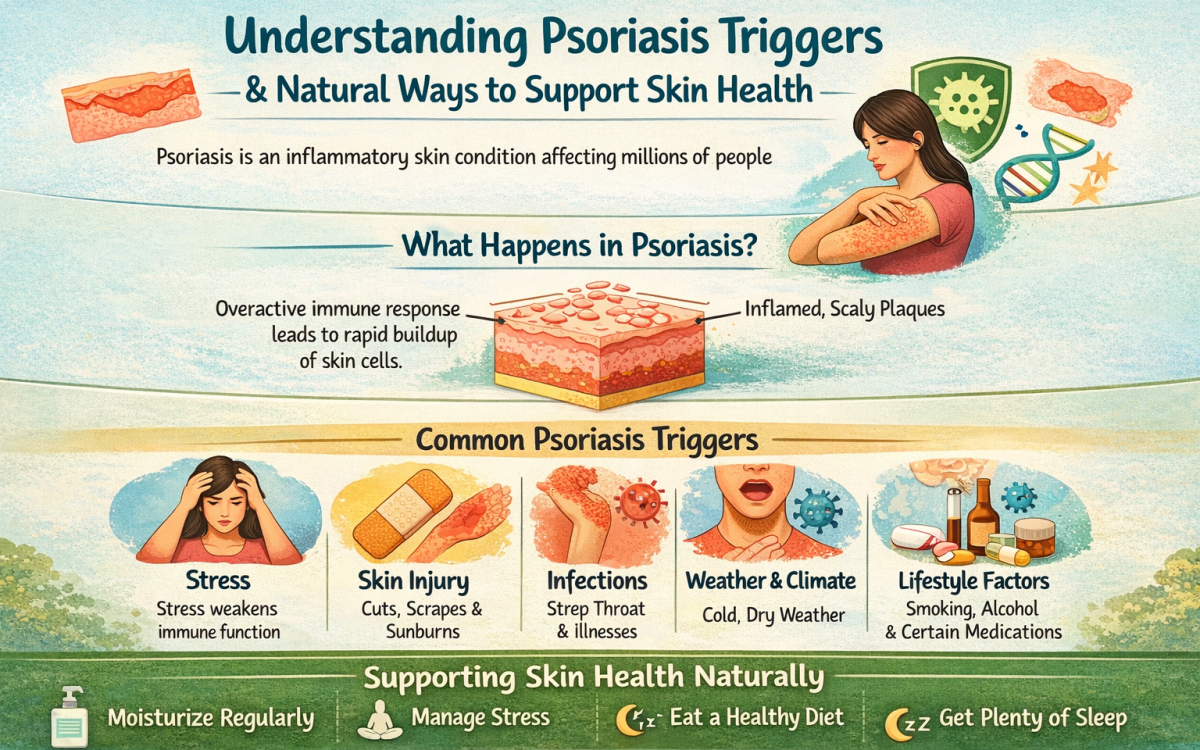
Under normal conditions, skin cells grow and shed in a cycle that takes roughly four weeks. In people with psoriasis, this process speeds up dramatically. Skin cells can accumulate on the surface within just a few days, creating thick plaques that may appear red, itchy, or flaky.
The condition is believed to involve an overactive immune response that signals skin cells to grow too quickly. This accelerated turnover leads to the buildup of scales and inflammation that are characteristic of psoriasis.
Psoriasis can affect several parts of the body, including:
- Scalp
- Elbows
- Knees
- Lower back
- Nails
- Hands and feet
Some individuals may also experience psoriatic arthritis, which involves joint inflammation alongside skin symptoms.
Understanding what triggers flare-ups is often a key step in managing the condition.
Common Psoriasis Triggers
Many people with psoriasis notice that certain factors can cause symptoms to worsen. While triggers vary between individuals, several patterns are commonly observed.
Stress
Emotional stress is one of the most frequently reported triggers for psoriasis flare-ups. Stress can influence immune function and inflammatory pathways in the body, which may worsen existing symptoms.
Practices such as meditation, regular exercise, and adequate sleep may help reduce stress levels and improve overall wellbeing.
Skin Injury
Minor injuries such as cuts, scrapes, insect bites, or sunburn can sometimes cause psoriasis plaques to appear at the site of trauma. This phenomenon is known as the Koebner response.
Protecting the skin from injury and irritation can therefore be an important part of managing symptoms.
Infections
Certain infections, particularly streptococcal throat infections, have been linked to psoriasis flare-ups in some individuals. In children and young adults, infections may sometimes trigger a form known as guttate psoriasis.
Maintaining general health and addressing infections promptly may help reduce potential flare-ups.
Weather and Climate
Cold, dry weather can worsen psoriasis symptoms for many people. Reduced humidity and lower sunlight exposure may contribute to increased dryness and irritation.
During colder months, moisturising regularly and maintaining proper skin hydration becomes particularly important.
Lifestyle Factors
Alcohol consumption, smoking, and certain medications may also influence psoriasis symptoms in some individuals. While triggers vary from person to person, adopting healthy lifestyle habits can often support better skin health overall.
The Importance of Skin Barrier Support
The outermost layer of the skin plays a critical role in protecting the body from environmental stressors, bacteria, and moisture loss. In people with psoriasis, this protective barrier may become compromised.
Supporting the skin barrier through proper hydration and gentle skincare products can help reduce dryness and irritation.
Dermatologists often recommend:
- Fragrance-free moisturisers
- Mild cleansers
- Avoiding harsh soaps
- Maintaining regular skin hydration
Moisturising immediately after bathing can help lock in moisture and protect the skin barrier.
Natural and Complementary Approaches
While medical treatment is essential for many individuals with moderate to severe psoriasis, some people also explore complementary approaches that support skin health and inflammation balance.
These approaches may include dietary adjustments, stress management strategies, and topical skincare routines.
For example, some people explore emerging natural ingredients that are being researched for their potential skin-supporting properties. One ingredient gaining interest in dermatological discussions is bee venom, which has been studied for its anti-inflammatory and antimicrobial peptides.
Research into such compounds continues to evolve, and educational resources discussing emerging options can help individuals better understand how different approaches may support skin wellness.
One ingredient that has recently attracted interest in dermatology research is bee venom, which contains antimicrobial and anti-inflammatory peptides. Some educational resources exploring bee venom for psoriasis discuss how it is being studied as a potential natural support ingredient for skin health
It is important to note that natural remedies should always be discussed with a healthcare professional, particularly when managing a chronic condition.
Managing Psoriasis Holistically
Because psoriasis involves immune system activity, skin health, and environmental factors, many experts suggest taking a holistic approach to management.
This can include several supportive strategies:
Maintaining a Balanced Diet
While research is ongoing, some individuals report improvements in skin health when following anti-inflammatory dietary patterns. Diets rich in vegetables, healthy fats, and whole foods may support overall wellbeing.
Regular Exercise
Physical activity supports cardiovascular health, stress reduction, and immune system balance. Exercise may also help reduce inflammation levels in the body.
Adequate Sleep
Sleep plays a vital role in immune regulation and overall recovery. Poor sleep quality can sometimes worsen inflammatory conditions.
Consistent Skincare Routine
Maintaining a gentle and consistent skincare routine may help minimise irritation and dryness that can contribute to flare-ups.
The Role of Education and Awareness
One of the most powerful tools for people living with psoriasis is access to reliable information. Understanding how the condition works, what triggers symptoms, and how to support skin health can empower individuals to make informed decisions about their care.
Online communities and educational resources have made it easier than ever for people to learn about psoriasis management strategies and share experiences.
Increased awareness also helps reduce the stigma sometimes associated with visible skin conditions. Psoriasis is not contagious, and improving public understanding can foster greater empathy and support for those living with the condition.
Looking Ahead
Although psoriasis remains a chronic condition, research continues to advance rapidly. New therapies, improved understanding of immune system pathways, and growing awareness of lifestyle factors are helping people manage symptoms more effectively than ever before.
By combining medical guidance with supportive lifestyle strategies, many individuals find ways to live full and active lives while managing psoriasis.
Understanding triggers, protecting the skin barrier, and staying informed about emerging research can all contribute to better long-term skin health.