Work no longer happens in one office. A consultant might start the day at a desk at home, join a client call, upload a presentation, and then collaborate with a small team in different locations. All of these tasks rely on cloud apps, video meetings, and shared files. And all of them depend on one thing: a stable internet connection.
When the connection struggles, work slows down. Calls freeze at the wrong moment. Uploads crawl when deadlines are close. When several devices connect at once, the whole network may slow down.
Because of this, many people now pay closer attention to small office Wi-Fi solutions. They no longer want a network that only connects devices. They want one that supports daily work without constant issues.
Why Wi-Fi Has Become the Backbone of Modern Workspaces
Wi-Fi once felt like a convenience. It helped people connect laptops and phones without cables. Today, it plays a much larger role.
Many small businesses run key tools on the internet. Billing systems sit on cloud platforms. CRMs manage customer data online. Designers upload large files. Consultants host meetings through video calls.
Daily collaboration also depends on a stable internet. Teams share documents, update project tools, and join meetings from different places.
Home workspaces now face the same demands. A spare room with a laptop often handles the same workload as a small office. This shift explains why searches for the best Wi-Fi for home office and the best internet for home office have grown so quickly. For many professionals, the line between home and office setups has started to blur.
The Problem With Basic Wi-Fi Setups
The router that comes with most broadband plans works well for light browsing or streaming. But work adds more pressure to the network.
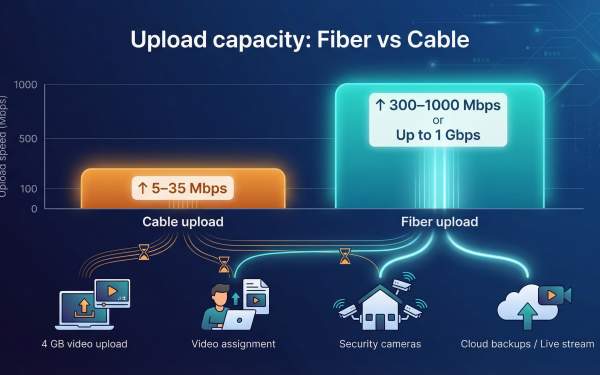
As more devices connect, performance can drop. A meeting may start smoothly but begin to lag. A presentation might freeze. A file upload that should take seconds can take minutes. Even a short outage can interrupt meetings or break the flow of work.
Small teams often try simple fixes. They add another router or place a repeater in a hallway. Sometimes this helps for a short time. But it can also create new problems. Signals overlap. Speeds vary from room to room. Soon, no one knows what is causing the issue. Troubleshooting becomes trial and error. That is usually when businesses start exploring more reliable small office Wi-Fi solutions.
What a Reliable Business-Grade Wi-Fi Network Looks Like
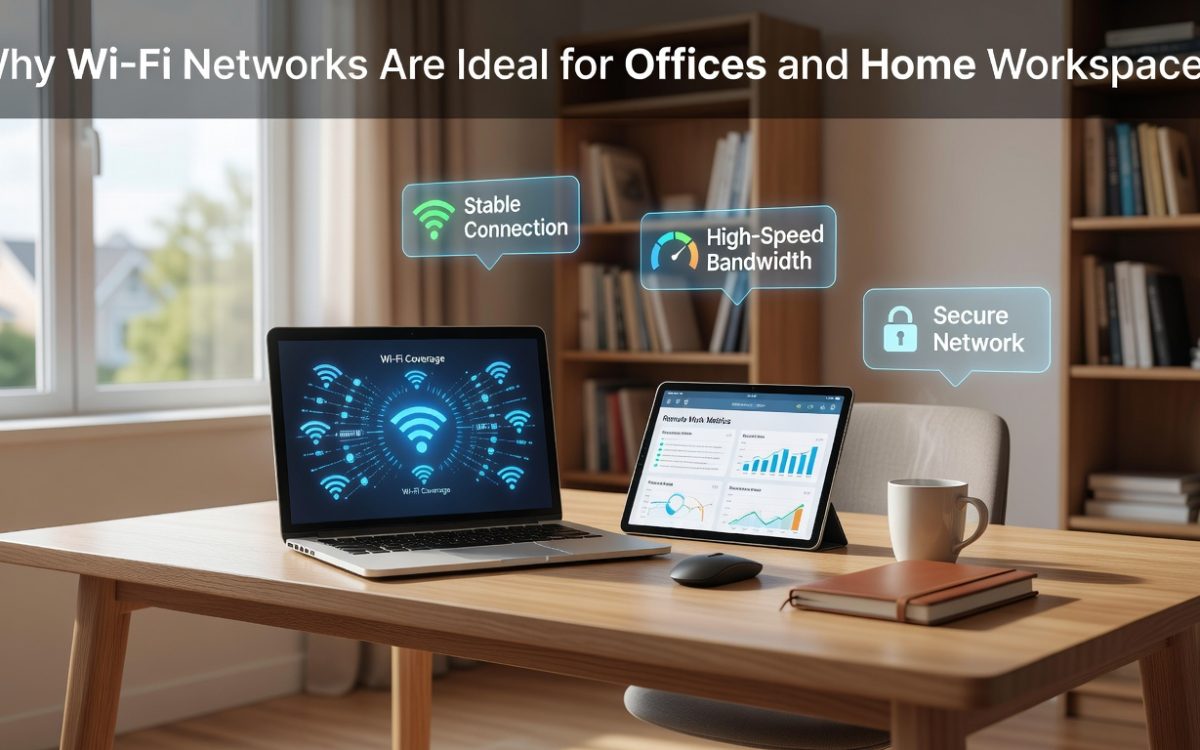
A network built for work focuses on stability. Coverage must stay strong across the workspace. Dead zones slow people down, even when the main connection is fast.
Device load also matters. Offices often have laptops, phones, printers, tablets, and other devices online at the same time. A good network should handle this without slowing down.
Security is another key factor. Many teams still share one Wi-Fi password. At first, it feels simple. Over time, it becomes confusing. Devices build up on the network. It becomes hard to know who still has access. A better setup assigns secure access to each user or device. This keeps the network organised and safer.
Monitoring also helps. Most professionals do not want to spend time adjusting router settings or fixing signal issues. They want a network that works quietly in the background.
How Spectra’s Pro-Fi for SoHo Helps
For professionals who depend on a stable internet, Spectra’s Pro-Fi for SoHo focuses on these needs.
Instead of treating Wi-Fi as a basic add-on, the service provides a managed work network. The setup includes business-grade access points and structured cabling. This helps maintain steady coverage in small offices and home workspaces. The system also includes dual-link failover. If the main internet connection drops, a second link takes over. Work sessions and calls continue without interruption.
Security becomes easier as well. Each user signs in once with a one-time password. After that, their device connects automatically. This removes the need for shared passwords. The network is also monitored around the clock. Potential problems can be spotted early and fixed before they disrupt work.
For professionals who want reliable connectivity without managing the technical side, this kind of support can make a clear difference.
Why Professionals Are Rethinking Office and Home Networks
Remote work and hybrid teams are now common. Because of this, internet connectivity has become core business infrastructure. Freelancers pitch clients over video calls. Startup teams collaborate across cities. Consultants present reports online. Each situation depends on a stable internet. That is why many professionals now invest in stronger Wi-Fi for small business setups or upgrade their Wi-Fi for home office systems.
When a network works well, people rarely notice it. Calls run smoothly. Files upload quickly. Teams focus on work instead of fixing the Wi-Fi. In many ways, that is the real sign of a good network. It stays out of the way and supports the work that needs to happen.
For consultants, small teams, and home offices that rely on steady connectivity, Spectra’s Pro-Fi for SoHo aims to provide that level of reliability. Speaking with a Spectra expert can help determine how it might fit into your workspace.