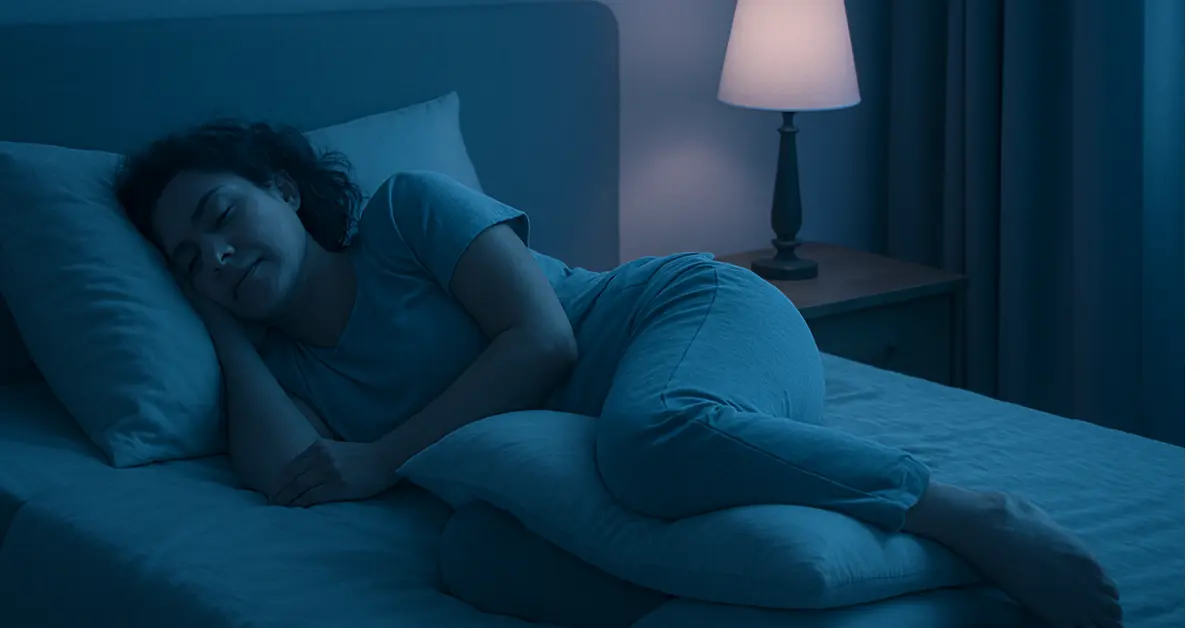
Patients with peripheral neuropathy often suffer from sleep disturbances. This is more common among diabetic peripheral neuropathy patients. They observe it more difficult to manage pain & sleep at the same time. Recent 2024 data from the National Institutes of Health underscores this, with results showing that up to 70% of individuals with painless diabetic neuropathy report poor sleep quality—more than double the rate (35.5%) seen in diabetic patients without neuropathy.
The cycle of pain and sleeplessness persists, but for how long? The chain of pain and sleeplessness continues, but how long? Is there any way to break the cycle? Let’s have a look at the basics of neuropathic pain & sleep disturbances. We’ll see why they’re linked and what you can do about it, incorporating the latest 2025 research on neural circuits and emerging therapies.
Is Peripheral Neuropathy Causing Sleep Disturbances?
Yes. Peripheral neuropathic pain is severe enough to impact sleep patterns negatively. Especially patients with familial amyloid polyneuropathy may go through pain aggravation and burning sensations at rest. In fact, neuropathic pain (NP) affects 7% to 10% of the global population, with symptoms like numbness, tingling, and electric shock-like pains frequently leading to fragmented sleep. A 2024 study in Science Translational Medicine revealed that spontaneous nociceptor activity in mouse models of NP directly fragments non-rapid eye movement (NREM) sleep, creating a vicious cycle where pain disrupts rest and poor sleep heightens pain sensitivity.
Peripheral neuropathy refers to the dysfunction or injury of a group of nerves or a nerve outside of the brain and spinal cord. The nerves get defective because of peripheral neuropathy. Thus, we can conclude that one cannot fall asleep if severe pain is experienced. As peripheral neuropathy and sleep disturbances correlate, the symptoms of pain only become worse. It is because the sensitivity of pain correlates with the sensitivity of insomnia.
As of 2021, diabetic neuropathy, the fastest-growing neurological condition in the world, affects well over 206 million people. Projections for 2025 show that this number will continue to rise because of aging populations and rising diabetes rates. This prevalence amplifies sleep issues, as chronic pain patients experience sleep disturbances at rates of 50% to 80%, directly tied to pain intensity.
The common treatments for neuropathic pain are Gabapin , Gabapentin 300mg, and so on. Patients using gabapentin have reported that they’ve started sleeping well. However, you should prefer using this oral medication after consulting the doctor. Recent 2024 trials confirm gabapentin’s dual benefits, improving both pain scores and sleep efficiency in 77% of users, though side effects like drowsiness require monitoring. For those seeking alternatives, 2025 research from Northeastern University highlights non-opioid nano-micelle formulations of CBD that target brain signaling without sedation, offering rapid relief in preclinical models.
Understanding the Deeper Causes: Why Neuropathy Disrupts Sleep Architecture
To fully grasp this connection, consider the neuroscience. Neuropathic pain changes the way sleep is structured, making it harder to get into deep NREM stages that are important for recovery. A 2025 review in Nature and Science of Sleep details how NP engages maladaptive neuroplasticity in circuits like the periaqueductal gray (PAG) and nucleus raphe magnus (NRM), where sleep deprivation upregulates proteins like Homer1a, exacerbating chronic pain. Circadian misalignment plays a role too—fewer distractions at night heighten awareness of symptoms, while dropping cortisol levels amplify nerve hypersensitivity. In diabetic cases, 40% of patients develop sleep apnea, further fragmenting rest and worsening neuropathy progression.
Moreover, bidirectional links mean poor sleep lowers pain thresholds. A 2024 cross-sectional study of 24 peripheral neuropathy patients found consistent correlations between worse pain severity and poorer sleep via validated scales like the Pittsburgh Sleep Quality Index (PSQI). This isn’t just uncomfortable—it’s a health risk. Chronic sleep loss in NP patients elevates risks for depression, anxiety, and cardiovascular issues, with up to 48% facing severe deprivation.
Why is neuropathy pain worse during the night?
Those who experience neuropathic pain have reported that the symptoms worsen at night. Certain neuropathy symptoms, like abnormal sensations & touch hypersensitivity in the legs/feet, lead to sleep difficulties. Thus, normal sleep patterns are disturbed, and patients may find it difficult to initiate sleep or stay asleep. A staggering 68% of neuropathy patients report intensified nerve pain at night, often due to reduced daytime distractions and cooler temperatures sensitizing nerves.
Medications like Gabapentin 400mg might be prescribed to get this stress under control. Besides this, the patient may be recommended to practice physical therapies, cognitive-behavioral therapies, and meditations for reducing the pain. Emerging 2024 evidence endorses cognitive behavioral therapy for insomnia (CBT-I) as a transformative intervention, disrupting the pain-sleep cycle by restructuring thought patterns related to discomfort. Light therapy and melatonin supplementation also show promise in realigning circadian rhythms disrupted by NP.
Neuropathy causes pain based on the types of nerves involved. The pain worsens at night due to discomfort, including pins and needles, burning, or tingling sensations. Due to this, the patient cannot sleep well and undergoes frequent nighttime awakenings. We can conclude that it is difficult to sleep throughout the night due to peripheral neuropathic pain. Using Gabapentin 800mg on prescription can help relieve neuropathic pain, and so the disrupted sleep cycle may be back on track.
The Science Behind Nighttime Aggravation: Circadian and Positional Factors
Nighttime worsening isn’t random. As evening approaches, fewer sensory inputs allow hypersensitivity to dominate—touch from sheets feels like fire, per a 2024 Journal of Sleep Research study on sciatic nerve models. Temperature drops constrict blood vessels, reducing oxygen to nerves, while fatigue lowers your pain tolerance. In type 2 diabetes patients with obstructive sleep apnea (OSA)—prevalent in 65% of cases—hypoxemia further damages nerves, creating a compounding effect. Positional compression intensifies the damage: lying down alters fluid dynamics, exerting pressure on inflamed nerves.
Long-term, such injury leads to “sleep debt,” where fragmented rest (e.g., up to 48% deprivation rate) impairs healing. But hope lies in targeted interventions: 2025 guidelines emphasize combining pharmacology with sleep hygiene to restore balance.
Neuropathy Patients Often Have Poor Sleep Quality—Here’s Why!
Neuropathic pain-relieving medications are also available, & you may try some handy remedies along with oral medicines. It will help in faster recovery from peripheral neuropathy, & you may regularize your sleep cycle too. Here are a few simple remedies you can try:
Sleep problems in people with neuropathy are caused by changes in the reticular thalamic nucleus (RTN) activity, which leads to less NREM sleep and more awakenings, according to findings Emotional tolls like anxiety (linked in 60% of cases) compound this, turning bedtime into a battleground.
Bidirectional Impact: How Poor Sleep Fuels Neuropathy Progression
The impact is reciprocal. Insomnia heightens central sensitization, making nerves overreact. A 2024 meta-analysis confirms sleep disruption progresses acute NP to chronic in vulnerable groups, like the elderly, where prevalence hits 39%. Addressing sleep isn’t optional—it’s essential for neuropathy management.
5 Simple & Effective Tips to Improve Sleep Quality
Changing your sleeping positions can sometimes minimize the painful sensations. For instance, the sleeping position extending your spine decompresses the nerves responsible for controlling sensations in the legs and lower limbs.
You may try sleeping on a recliner sofa or lying on your back with a pillow under your legs. Furthermore, sleeping on either side with a pillow in-between your legs can provide relief. 2024 Amerisleep research validates this, with results noting balanced positions reduce morning stiffness by 30% in neuropathy sufferers.
Patients may not be sleeping well because of certain stressful conditions going on in their lives. Reducing stress by counseling experts or spending time with your favorite people may work as therapy. Engaging in your favorite activities can also help you relax. Add mindfulness apps— 2025 studies show they cut insomnia severity by 25% in chronic pain cohorts.
You may not realize whether your sleep difficulties are caused by neuropathic pain or by excessive caffeine intake. Try limiting your caffeine intake to at least 6 hours of bedtime. It will help you fall asleep as expected and allows neuropathy medications to be effective. Pair this advice with a no-screens rule: Blue light delays melatonin by up to 2 hours.
If you’re someone working hard on your physique, then you’ll likely experience neuropathic pain, especially in the evening. Those having extreme pain in the lower body may feel elevation in the pain. It can be reduced by not walking a lot during the day. Utilizing a wheelchair or wheeled walker can alleviate such pain. Doing so will possibly make it easier to get sound sleep at night. Incorporate gentle yoga: A 2024 review found it eases symptoms without overexertion.
Meditation, exercising, listening to calming music , performing breathing exercises, etc., are some of the underrated relaxation techniques for good sleep. It is equally important to make yourself comfortable in the bedroom that makes you forget everything else. By focusing on sleep, you can prevent sleep disturbances. Warm baths pre-bedtime raise core temperature for a cooling drop, mimicking natural sleep onset.
Expanding the Toolkit: Advanced 2025 Strategies for Sleep and Pain Management
Beyond basics, consider pregabalin—effective for 77% in improving sleep per 2017-2024 reviews—or trazodone for low-dose synergy with gabapentin. Acupuncture shows 40% pain reduction in trials, while weighted blankets provide deep pressure therapy, calming overactive nerves. Track progress with apps integrating PSQI scores for personalized tweaks.
Lifestyle anchors matter: Maintain 7-9 hours nightly, hydrate sans evening excess, and prioritize B vitamins (B12 deficiency links to 20% of postmenopausal neuropathy cases). If OSA coexists (40% in diabetic neuropathy), CPAP machines restore oxygen flow, slashing awakenings.
Conclusion: Breaking the Cycle of Neuropathic Pain and Sleepless Nights in 2025
In wrapping up, peripheral neuropathy’s grip on sleep is undeniable, but 2025 brings empowering tools to reclaim rest. From time-tested positions and stress relief to cutting-edge CBT-I and non-opioid innovations, consistent action disrupts the pain-insomnia loop. Prioritize doctor consultations for tailored plans—early intervention not only eases symptoms but also boosts quality of life, reducing risks like falls and mood disorders.
Remember, better sleep isn’t a luxury; it’s your foundation for healing. Start tonight: Adjust one tip, track your rest, and step toward mornings refreshed. For more on nerve health, explore All-on-4 Dental Implants Recovery 2025: What to Expect in the Post-Surgery Phase, The Role of Precision Manufacturing in Dental Implant Success Rates, The Benefits of Regular Checkups at a Dentist Newport, and World-Class Rehabilitation Facilities Offering Hope and Healing for Addiction Recovery. Join the discussion in our Forum.
FAQs
Why does peripheral neuropathy pain get worse at night?
Nighttime lacks distractions, cooler temps sensitize nerves, and fatigue lowers pain thresholds. Up to 68% report intensified symptoms, per 2024 studies, disrupting sleep onset and causing awakenings.
How can gabapentin help with neuropathy and sleep issues?
Gabapentin calms overactive nerves, reducing pain in 77% of users while improving sleep efficiency. 2024 trials show it eases tingling/burning, but consult a doctor for dosing to avoid drowsiness.
What sleeping positions relieve neuropathic foot pain?
Try back-sleeping with a pillow under your knees or side-lying with a pillow between your legs to decompress nerves. 2024 research notes 30% less morning stiffness; avoid stomach positions that compress limbs.
Can stress management improve sleep for neuropathy patients?
Yes—stress amplifies pain sensitivity. Techniques like meditation or counseling cut insomnia by 25%, per 2025 reviews, breaking the cycle. Pair these techniques with routines such as warm baths to achieve deeper rest.
Are there new 2025 treatments for neuropathy-related insomnia?
Emerging non-opioid CBD nano-micelles target brain pain circuits without sedation, per Northeastern trials. CBT-I and melatonin also realign rhythms, offering 40% better sleep in chronic cases.
Disclaimer: This article provides general information on neuropathic symptoms and sleep based on available research and is not a substitute for professional medical advice, diagnosis, or treatment. Always consult a qualified healthcare provider before starting any new medication, therapy, or lifestyle change, especially if you have underlying conditions like diabetes. Individual results vary, and self-diagnosis can be harmful. The author and publisher are not responsible for any actions taken based on the information provided in this content.