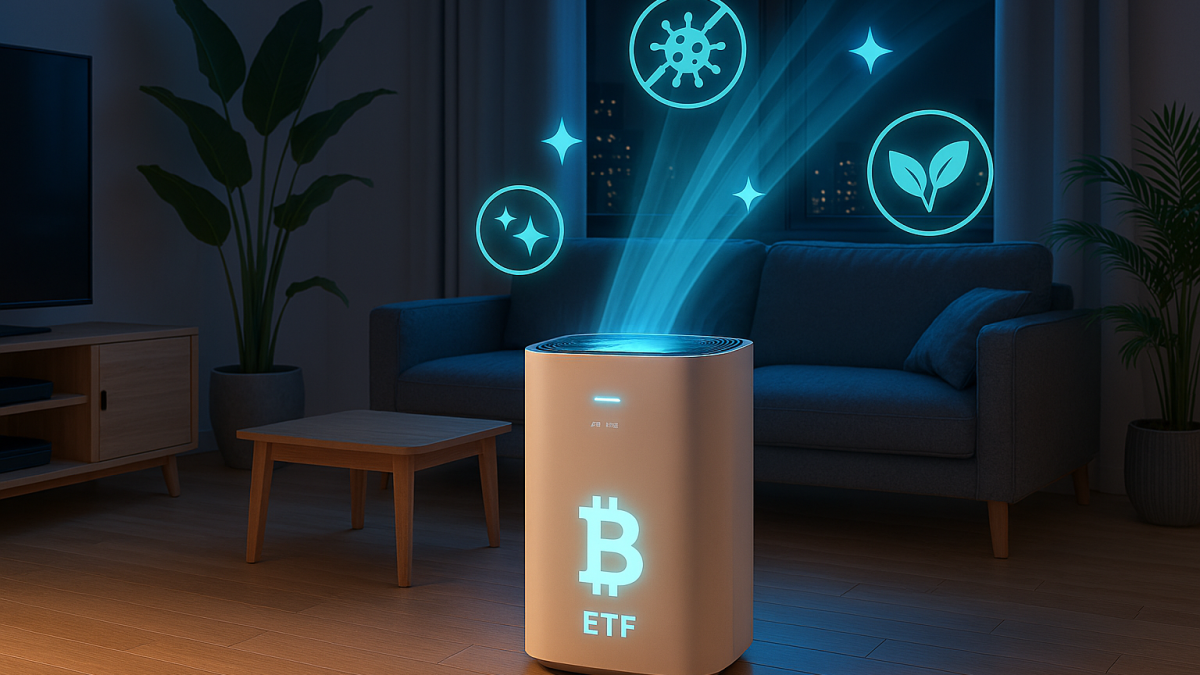
In Singapore’s humid, urban environment, where air quality challenges like haze, allergens, and airborne pathogens persist, selecting the right air disinfectant machine is crucial for healthier indoor spaces. The local air purifier market is booming, projected to hit USD 207.32 million in 2025 with a 6.26% CAGR through 2030, fueled by rising health awareness and pollution concerns.
As post-pandemic priorities shift toward continuous disinfection, 2025 sees innovations like UV-PCO (Ultraviolet Photocatalytic Oxidation) tech killing 99.9% of microbes and smart IoT integration for real-time monitoring. Whether for homes, offices, or clinics, this updated guide helps you navigate providers, technologies, and tips to breathe easier.
Why You Need an Air Disinfectant Machine in Singapore
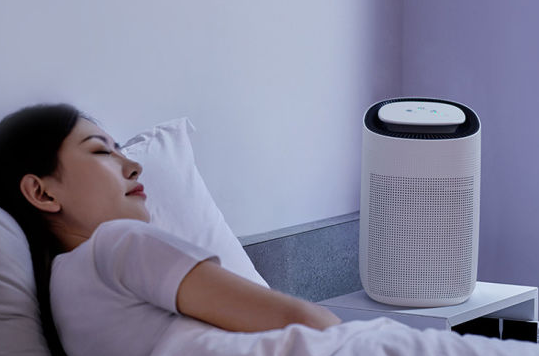
Air disinfectant machines, often called air purifiers with germicidal features, go beyond basic filtration to actively neutralize viruses, bacteria, mold, and VOCs. In a city-state like Singapore—100% urbanized with high PSI levels during haze seasons—these devices are essential for reducing respiratory risks, with studies showing they cut airborne transmission by up to 70% in enclosed spaces. Post-2025 NEA guidelines emphasize HEPA + UV combos for optimal efficacy, especially amid rising allergies (affecting 20% of residents) and flu cases.
Traditional cleaning misses airborne threats; these machines provide 24/7 protection. With market growth at 7.3% in Asia-Pacific, Singapore leads in adoption—residential units up 15% YoY. Invest wisely to safeguard your family or workspace.
2025 Trends: Smart, Sustainable, and Multi-Tech Solutions
This year, expect IoT-enabled purifiers (e.g., app-controlled via Google Assistant) dominating, with 40% of sales featuring AI sensors for auto-adjustments. Sustainability shines too: Eco-filters from recycled materials reduce e-waste, aligning with Singapore’s Green Plan 2030. Hybrid HEPA-UV models address both particles (PM2.5) and pathogens, per IIHS tests showing 99.99% contaminant removal. Portable options for HDB flats (under 50m²) are hot, with UV-C LEDs minimizing ozone risks.
Key Features to Look for in an Air Disinfectant Machine
When choosing, prioritize tech that matches your needs—HEPA for dust/allergens, UV for germs. True HEPA (H13/H14) captures 99.97% of 0.3-micron particles; UV-C (254nm) inactivates 99.9% viruses like SARS-CoV-2. CADR (Clean Air Delivery Rate) should suit room size—e.g., 200m³/h for 20m².
Other must-haves: Activated carbon for odors/VOCs, quiet operation (<30dB sleep mode), and filter life indicators. In 2025, look for energy-efficient models (under 50W) certified by NEA or AHAM. Avoid ozone-heavy units; far-UV-C (222nm) is safer for occupied rooms.
HEPA vs. UV: Which Technology Wins in 2025?
HEPA excels at trapping particles (ideal for haze/allergies), but doesn’t kill germs—UV does, via DNA disruption. Combos rule: Sterra Breeze Pro (HEPA-14 + UV) removes 99.99% contaminants in <5 mins. UV-PCO advances break down VOCs 2x faster. For Singapore’s humidity, UV prevents mold; HEPA handles dust. Per 2025 reviews, hybrids cut asthma symptoms 30%.
Top Providers of Air Disinfectant Machines in Singapore for 2025
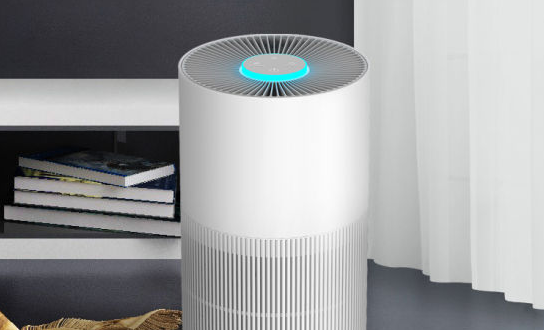
Singapore boasts reliable providers blending local expertise with global tech. From NEA-approved installers to retail hubs, here’s a curated list based on 2025 reviews (Google ratings >4.5/5).
1. BioCair Singapore: Family-Safe Dry-Mist Specialists
BioCair leads with non-toxic, baby-safe machines using hypochlorous acid mist—killing 99.9999% pathogens without residue. Pro-II models disinfect 1-hour daily; users report 80% fewer sick days. Pricing: S$500-1,200; 5-year warranty. Ideal for HDBs; 4.8/5 stars from 2,000+ reviews.
2. Aurabeat: Hospital-Grade UV Ionizers
Aurabeat’s AG+ (FDA-registered) uses bipolar ionization + UV-C, deployed in TTSH and NTUC Health—eliminating COVID-19 in tests. Portable for homes/offices; covers 50m². 2025 update: AI sensors. S$300-800; 4.9/5 for efficacy.
3. HVAC Engineering: Commercial HVAC Integration
NEA-approved for businesses, HVAC offers UV coil disinfection + HEPA units, boosting efficiency 20%. Clients: Changi Airport, MBS. Custom installs; S$1,000+; excels in large spaces.
4. Helpling: Affordable, Versatile Home Services
Helpling’s disinfection kits (fogging + purifiers) use hospital-grade agents; app-booked for S$0.11-0.33/sq ft. 2025: UVC add-ons. 4.7/5 from 2,000 reviews; great for rentals.
5. Eco Pure Room: Automated Dry Vapour Systems
Eco Pure’s odour-free vapour kills viruses in seconds; auto-programmed for 24/7 use. Commercial focus; S$800-2,000. 4.6/5 for low maintenance.
6. Sterra: Hybrid HEPA-UV Innovators
Singapore’s Sterra Breeze Pro (HEPA-14 + UV) tops 2025 lists—99.99% removal, quiet at 25dB. S$400-700; app integration.
7. Aardwolf Pestkare: Ozone + Misting Pros
NEA-licensed; combines Benzalkonium chloride mist + ozone for 99% kill rate. S$600+; strong for clinics.
Comparison Table: Top 2025 Models
| Provider/Model | Tech | Coverage (m²) | Price (S$) | Key 2025 Feature | Rating |
|---|---|---|---|---|---|
| BioCair Pro-II | Dry-Mist | 100 | 800-1,200 | Baby-safe, auto | 4.8 |
| Aurabeat AG+ | UV-Ion | 50 | 300-800 | Hospital-grade | 4.9 |
| HVAC UV Coil | UV-HEPA | 200+ | 1,000+ | Efficiency boost | 4.7 |
| Helpling Kit | Fogging-UV | 80 | 200-500 | App-booked | 4.7 |
| Eco Pure Vapour | Dry Vapour | 150 | 800-2,000 | 24/7 auto | 4.6 |
| Sterra Breeze Pro | HEPA-14+UV | 60 | 400-700 | AI sensor | 4.9 |
| Aardwolf Ozone | Ozone-Mist | 120 | 600+ | NEA-approved | 4.5 |
How to Choose the Right Provider for Your Needs
Start with your space: Homes need portable units (e.g., Aurabeat); offices, integrated like HVAC. Budget S$300-2,000; factor filter replacements (S$50-150/year). Check NEA approval for efficacy claims. Read 2025 reviews on Google/Shopee—prioritize >4.5 stars, 100+ feedbacks.
Assess needs: Allergies? HEPA-heavy. Germs? UV-focused. Test demos at Courts/Lazada. Providers like Helpling offer trials; ensure warranties (2-5 years).
Maintenance and Cost-Saving Tips for 2025
Clean pre-filters monthly; replace HEPA/UV every 6-12 months. Smart models alert via apps, saving 20% on energy. Singapore rebates (up to S$200 via NEA) apply to eco-models. Total ownership: S$500 initial + S$100/year.
Conclusion: Breathe Clean, Live Better—Your 2025 Air Disinfectant Choice
In 2025’s evolving landscape, the best air disinfectant machine provider in Singapore empowers proactive health—from BioCair’s family focus to Sterra’s hybrid innovation. As the market grows, focus on NEA-certified, multi-technology options that provide complete protection against haze, allergens, and viruses Start by assessing your space, demo top picks, and integrate smart features for effortless maintenance. Cleaner air isn’t just comfort—it’s an investment in well-being. Explore more wellness tips in Why Do Neuropathic Symptoms Affect Your Sleep? Updated Insights for 2025, The Benefits of Regular Checkups at a Dentist in Newport, and World-Class Rehabilitation Facilities Offering Hope and Healing for Addiction Recovery. Join the discussion in our forum.
FAQs
What is the best air disinfectant machine for HDB flats in Singapore in 2025?
Sterra Breeze Pro (HEPA-14 + UV) covers 60m² quietly at 25dB, removing 99.99% contaminants. Ideal for humidity; S$400-700 with AI sensors for auto-adjust.
HEPA or UV: Which is more effective for germs in Singapore homes?
UV kills 99.9% viruses via DNA disruption; HEPA traps 99.97% particles. Hybrids like Aurabeat AG+ excel—FDA-registered for COVID, covering 50m² for S$300+.
How much does an air disinfectant machine cost in Singapore in 2025?
S$300-2,000 initial; S$50-150/year filters. NEA rebates up to S$200 for eco-models. BioCair Pro-II (S$800) offers 5-year warranty for family use.
Are UV air purifiers safe for babies in humid Singapore?
Yes—far-UV-C LEDs minimize ozone. BioCair’s dry-mist is non-toxic, killing 99.9999% pathogens; users report fewer sick days. Avoid ozone-heavy; choose NEA-approved.
What are the top trends for air disinfectant providers in Singapore in 2025?
IoT smart purifiers (40% sales) with AI sensors; sustainable filters. Market at USD 207M, growing 6.26%—hybrids like Sterra lead for haze/allergens.
Disclaimer: This article offers general guidance on air disinfectant machines based on 2025 market data and reviews. It is not medical advice or an endorsement of specific products. Effectiveness varies by environment; consult professionals for health concerns or installations. Always verify NEA certifications and follow manufacturer instructions to avoid risks like ozone exposure. The author and publisher disclaim liability for decisions based on this content.