Home Technology The 40GBASE-SR4 Optical Module: What’s New, and How Does It Benefit You?
Technology

The 40GBASE-SR4 Optical Module: What’s New, and How Does It Benefit You?

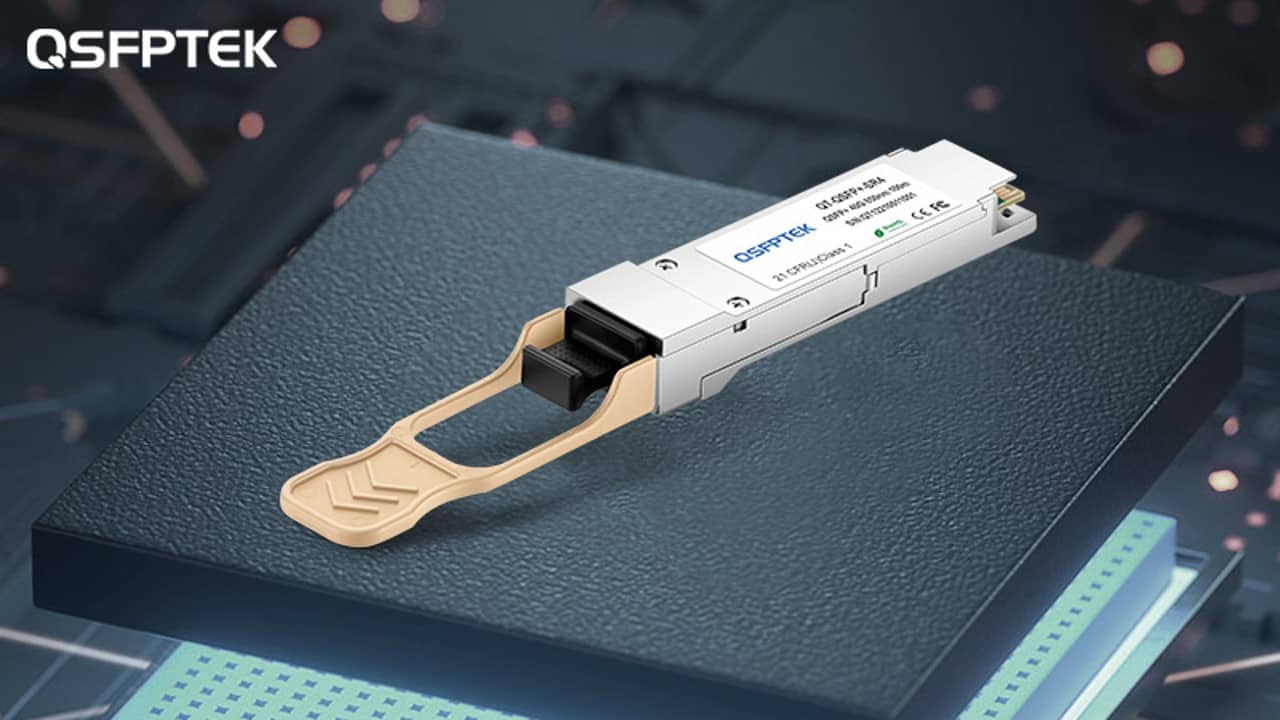
A 40Gbase-Sr4 Optical Module Connected To A Network Switch.

The 40GBASE-SR4 optical module is an optical transceiver that transmits data at 40 gigabits per second. It has a maximum reach of 100 meters, and it can work with any fiber optic cable.

The 40GBASE-SR4 optical module has many uses, including data centers, data warehouses, and cloud computing facilities.

The 40GBASE-SR4 module is a 40G Ethernet over fiber optic link designed to transmit data at 10.3125 Gbps. It can be used in data centers where installing fiber cables is impossible.

The 40GBASE-SR4 module is compatible with other modules in the family and can be installed as an end-to-end system or in an intermediate distribution frame (IDF).

What is the Technology Behind the 40G, and How Does it Benefit You?

The technology behind the 40G is a type of optical module. It is used to transmit data at up to 40 Gigabits per second. The 40GBASE-SR4 is one such optical module that uses the latest optical technology.

The 40 GbE standard, published in March 2017, was set by IEEE 802.3ae. It allows data to be transmitted at up to 40 Gbps using an electrical interface that operates at 40 Gbps. 40GBASE-SR4 is a standard for 40 Gigabit Ethernet. An optical module can transmit data at 40 gigabits per second.

The technology behind the 40G is optical modules, which have been around for several decades. It was first used a few years ago to transmit data over fiber optic cables. Optical modules are also used in other technologies, such as data centers or high-performance computers.
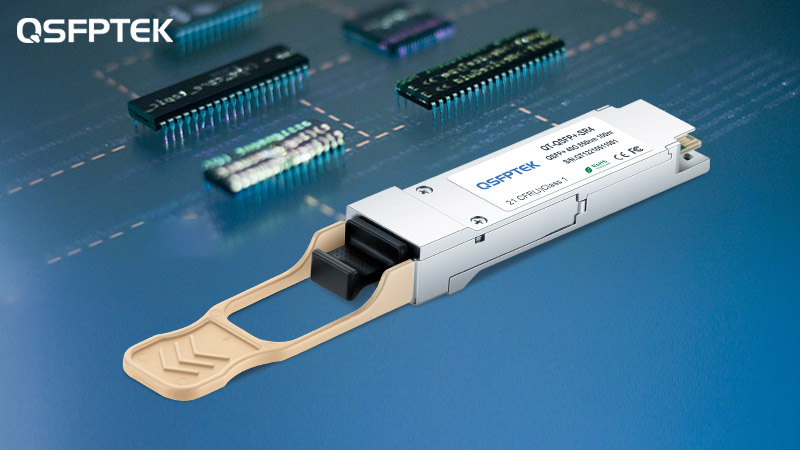
40G

What are some of the Applications that Can Benefit from the 40GBASE-SR4 Optical Module?

The 40GBASE-SR4 optical module can be applied to several applications that require high bandwidth. It is a cost-effective solution for enterprises and data centers that need to support many users and devices.

The 40GBASE-SR4 optical module is designed for applications that require high bandwidth, such as data centers and enterprise networks. With the increase in the use of wireless devices, it has become more critical than ever to have an efficient network infrastructure in place to ensure connectivity between all these devices. This module provides an excellent solution with its wire-speed capacity, reaching up to 40 gigabits per second.
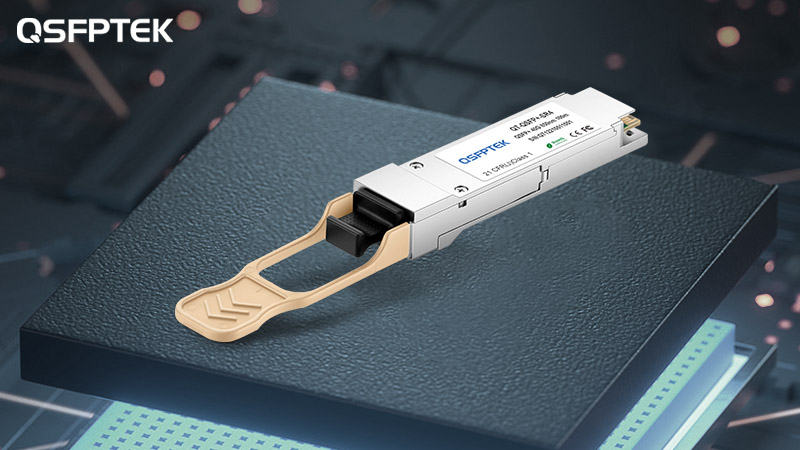
40G

Conclusion

In conclusion, this article discusses the benefits of 40GBASE-SR4 and high-performance optical modules. The article has explained the benefits of 40GBASE-SR4 and high-performance optical modules. It also examines their different applications and the prospects of these technologies. If you want to know more about 40GBASE-SR4, contact sales @ sales@qsfptek.com. QSFPTEK is a company specializing in producing high-quality, low-price optical modules.

About This Content

Author Expertise: in CCNA, SEO Expert, Diploma in information technology, Master in Business Administration( MBA). Certified in: CCNA, SEO Expert, Diploma in information technology
Avatar Of Yasir Ali

Yasir Ali

NetworkUstad Contributor

Related Articles

Illustration Of Cloud It Providers Managing Office 365 Email Migrations, Showing Secure Data Transfer, Domain Setup, And Seamless Communication Across Connected Devices.
Technology

How Cloud IT Providers Support Office 365 Email Transitions

Email systems play a central role in daily business communication. Organizations often seek a structured path toward modern cloud email platforms. Cloud IT providers offer guidance, clarity, and technical skill throughout the transition process. Their approach supports continuity, user trust, and long-term efficiency. For example, Office 365 migration from GoDaddy email often requires careful domain...

Asad Ijaz 3 min read
A Split-Screen Infographic Comparing &Quot;Yesterday'S Analytics&Quot; With &Quot;Tomorrow'S Intelligence,&Quot; Highlighting The Differences Between Traditional Models And Aurora'S Analytical Framework. The Left Side Shows Historical Data And Batch Processing With Gears, While The Right Side, Representing Aurora'S Analytical Framework, Features A Glowing Network Of Real-Time Data Streams, Physics-Based Modeling, Multi-Dimensional Synthesis, And Adaptive Learning.
Technology

What Makes Aurora’s Analytical Framework Different From Traditional Models

In the world of data analysis and forecasting, most organizations rely on traditional statistical models that have served reasonably well for decades. These conventional approaches use historical patterns, statistical correlations, and standardized algorithms to generate predictions. Aurora’s analytical framework, however, represents a fundamental departure from this traditional methodology, one that addresses limitations most analysts didn’t...

Mudassir K 8 min read
Secure Cloud Servers Emphasizing Hardware Quality And Data Safety In Modern Hosting
Cybersecurity

Why Do Hardware Quality and Data Safety Define Modern Cloud Hosting?

Your server is the heartbeat of your operation. Whether you are running a critical database, a corporate VPN, or a high-traffic e-commerce site, downtime or data corruption is not just an inconvenience—it is a reputation killer. While the market is flooded with hosting offers, seasoned administrators know that the real value lies not in the...

Asad Ijaz 5 min read