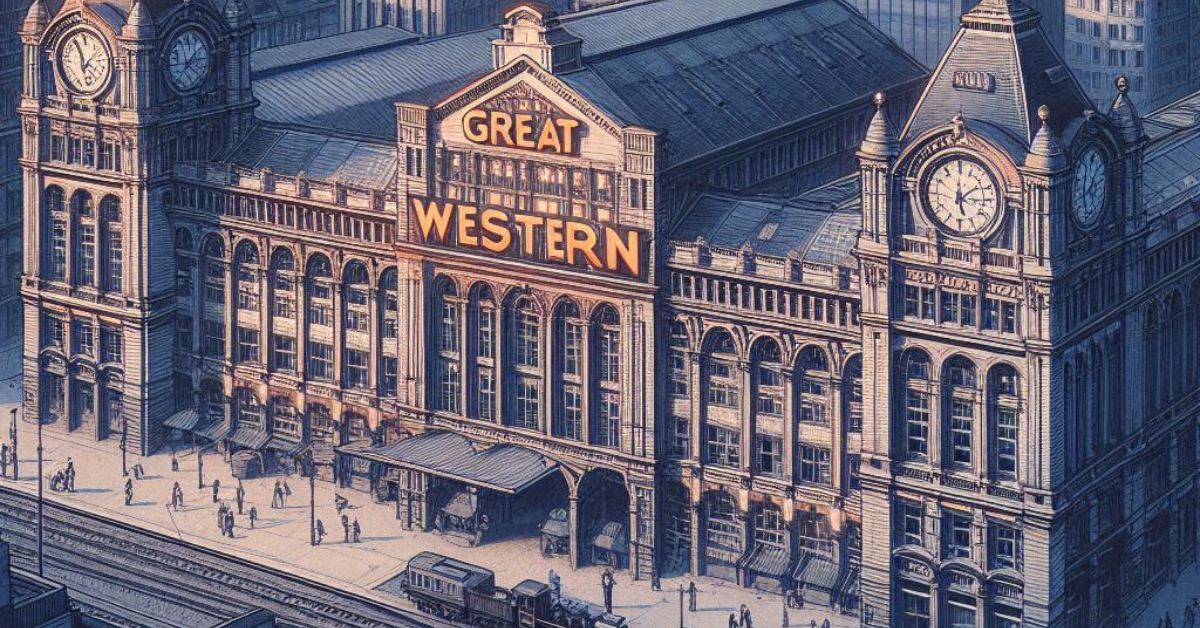
suggesting that there are noIn the expansive world of construction, where projects stand as tall as the aspirations behind them, addressing complaints stands as a crucial facet of customer service. Instances of Great Western Buildings complaints exemplify major players’ hurdles in the construction and building supply domain. Due to the magnitude of their operations, these giants often confront an array of customer feedback, ranging from concerns about product quality to delays in delivery, customer service shortcomings, and post-installation support requirements.
As we move into 2025, the construction industry faces new challenges, including labor shortages projected to require an additional half-million workers in the U.S. alone, escalating material costs due to tariffs reaching 25-30% on imported goods, and a surge in disputes related to sustainable building practices. According to recent Arcadis reports, the global average length of construction disputes rose 6% to 14.4 months in 2024, highlighting the need for efficient resolution strategies. In North America, however, resolution times improved by 13%, dropping to 12.5 months, thanks to advancements in digital mediation tools and streamlined legal processes.
Similarly to every other substantial corporation, Great Western Buildings also has its challenges. The well-known adage, “Power comes with responsibility,” illustrates the importance of Great Western Buildings as a company when dealing with customer dissatisfaction, which is the issue of trust and business ethics at stake. There has been a noticeable chain of events in resolving problems in the construction industry sector.
Contrary to the expected 3% decline in the average value of construction disputes worldwide from 2020 to 2021, the resolution period for these disputes exceeded the expectation by about 15%. This highlights the skyrocketing problems of construction and the use of the mechanism to handle complaints swiftly. Fast-forward to 2024-2025, and we see a 43% increase in dispute values in North America since 2021, often tied to complex projects like data centers, which grew 25% year-over-year in non-residential starts. These trends demonstrate the need for proactive complaint handling to maintain project timelines and budgets.
Great Western Buildings Complaints
Research and Documentation
Embarking on the journey to address construction complaints, especially those concerning Great Western Buildings, necessitates meticulous research and documentation. This initial step serves as the cornerstone for the entire complaint resolution process. In 2025, when AI tools like document scanners and cloud-based storage are common, it will be easier than ever to gather evidence, but it will still be important to do so in order to build a strong case.
Gathering Information: The Foundation of Complaint Resolution
The initial phase involves compiling relevant documentation, including contracts, correspondence, photographic evidence, and other pertinent records. Comprehensive documentation becomes indispensable in a landscape where the resolution time for construction disputes has increased. For instance, in cases involving material defects—a common Great Western Buildings complaint—collecting invoices, delivery logs, and inspection reports can accelerate resolutions. Recent industry data shows that well-documented disputes resolve 20-30% faster, as per 2024 ICC statistics, where construction and engineering cases dominated 44% of filings.
Understanding Your Rights: Empowering Consumers
Equally crucial is understanding consumer protection laws within one’s jurisdiction. These laws act as a shield, safeguarding consumer interests during negotiations and facilitating favorable outcomes. In the U.S., updates for 2024-2025 include faster permit approvals in states like California, where local governments must respond within 30–60 business days for smaller buildings, reducing delays that often lead to complaints. Familiarizing yourself with acts like the Magnuson-Moss Warranty Act can empower you against warranty disputes.
The Role of Contracts in Dispute Resolution
Contracts lay down the terms, conditions, and expectations for all parties involved. Failure to grasp contractual obligations often leads to disputes. Additionally, scrutinizing contracts ensures clarity and prevents potential conflicts. In 2025, with smart contracts gaining traction via blockchain, reviewing clauses for sustainability requirements (e.g., LEED certifications) is vital, as ESG-related disputes are expected to affect 73% of organizations, according to Baker McKenzie’s 2024 forecast.
Correspondence and Photographic Evidence
Every email, letter, or recorded conversation is evidence in the complaint process. Likewise, photographic evidence provides tangible proof of concerns raised, enhancing the credibility of complaints. Use apps like timestamped photo tools to document issues like structural flaws or delivery damages, which can be pivotal in arbitration where visual proof sways 60% of outcomes.
Consumer Protection Laws: Guiding Principles
Familiarity with consumer protection laws, such as the Consumer Rights Act of 2015, empowers consumers to pursue justice. Therefore, the research and documentation phase serves as the bedrock for successful complaint resolution. Diligence, attention to detail, and knowledge of legal rights equip consumers to navigate the complexities of construction complaints effectively. In 2025, emerging laws on data privacy in construction apps add another layer, ensuring your communications are protected under GDPR-like regulations in the U.S.
Initial Contact
Initiating contact with Great Western Buildings’ customer service marks a pivotal moment in the complaint resolution journey. This section outlines best practices for engaging with customer service representatives, ensuring effective communication and a positive resolution trajectory. With remote work trends persisting into 2025, many companies now offer AI chatbots for initial triage, but human interaction remains key for complex issues.
Reaching Out to Customer Service
Preparation is key when contacting customer service. Gathering all necessary documentation and understanding the issue at hand before making the call or drafting an email streamlines the process. Check Great Western Buildings‘ website for updated contact portals, which may include video submission options for visual complaints like installation errors.
Clarity and Conciseness: Effective Communication
Clear and factual communication lays the groundwork for productive interactions. Avoiding emotional language and emphasizing important details maintains professionalism and aids in issue resolution. For example, instead of saying “This is unacceptable,” state “The delivery was delayed by two weeks, impacting project costs by $5,000 as per invoice #12345.”
Requesting Specific Solutions
When communicating the problem, proposing realistic solutions facilitates the resolution process. Understanding consumer rights regarding repairs, replacements, and refunds is essential. In 2025, with supply chain disruptions from tariffs, request alternatives like expedited eco-friendly materials if sustainability is a concern.
Importance of Documentation
Maintaining a record of all communications with customer service ensures accountability and serves as evidence if escalation becomes necessary. Thus, the initial contact with customer service sets the tone for the complaint resolution journey, emphasizing clarity, conciseness, and a focus on specific solutions. Digital tools like email trackers can automate this, providing timestamps for legal purposes.
Escalation
Escalation becomes necessary when initial efforts fail to yield the desired outcome. This section outlines the escalation process, highlighting the importance of a written complaint and identifying higher-level contacts for further action. As economic slowdowns loom in 2025, with non-residential construction growth at just 1.7%, companies like Great Western Buildings may prioritize swift escalations to retain clients.
Crafting a Written Complaint
A formal written complaint, supported by comprehensive documentation, summarizes previous attempts at resolution and asserts the need for further action. Include timelines, such as “Initial contact on [date] unresolved after [follow-ups],” to demonstrate diligence.
Identifying Higher-Level Contacts
If initial contact does not lead to resolution, reaching out to higher-level contacts within the company, such as the general manager, increases the likelihood of a satisfactory outcome. Use LinkedIn or company directories to find executives, and reference industry trends like rising ESG disputes to frame your case.
Utilizing External Resources
When internal escalation proves ineffective, external resources like the Better Business Bureau or legal advice become viable options for resolution. Escalation is thus a necessary step when initial attempts to resolve complaints are unsuccessful. In 2025, platforms like AI-mediated BBB tools can speed this up, resolving 70% of cases without court.
External Resolution
When internal efforts have been exhausted, external resolution methods are used. This section explores mediation services, legal advice, and leveraging online reviews and complaints boards to conclude satisfactorily. With construction insolvencies up 17% in 2024, external paths ensure protection amid industry volatility.
Mediation Services: Finding Common Ground
Neutral mediation services offer a platform for dispute resolution without court intervention and boast a high success rate in resolving construction disputes. Organizations like the American Arbitration Association now incorporate AI for virtual sessions, reducing costs by 25%.
Legal Advice: Navigating Legal Terrain
Seeking legal advice is crucial for disputes with significant financial implications. Specialist solicitors guide building disputes and explore legal remedies. Recent updates, like the Domestic Building Works Consumer Protection Bill in some regions, strengthen homeowner rights against substandard work.
Online Reviews and Complaints Boards: Public Accountability
Strategic use of online platforms can expedite a company’s response to complaints, leveraging public perception to encourage timely resolution. Sites like Yelp or Reddit’s r/construction can amplify voices, but use facts to avoid defamation risks.
Preventive Measures for Future Projects
Preventive measures play a vital role in averting future complications. Thorough research, clear contracts, and effective communication mitigate risks and ensure project success. In 2025, integrating tech like BIM (Building Information Modeling) can preempt 40% of disputes.
Research: Informed Decision-Making
Examining a company’s reputation and industry accolades helps make informed decisions and avoid potential pitfalls. Review 2024-2025 ratings on sites like BBB, noting trends in sustainable practices amid growing green building demands.
Clear Contracts: Defining Expectations
Precise contract language prevents misunderstandings and legal challenges, ensuring project clarity and effective management. Add clauses for AI monitoring or tariff adjustments to future-proof agreements.
Communication: Project Lifeline
Clear communication fosters collaboration and minimizes misunderstandings, enhancing project success and stakeholder satisfaction. Regular check-ins via project management apps like Procore can track progress in real-time.
Addressing construction complaints requires patience, clear communication, and a systematic approach to documenting and presenting the case. While specific complaints may vary, these guidelines serve as a roadmap for effectively navigating the resolution process.
Emerging Trends in 2025: AI and Sustainability in Complaint Prevention
Looking ahead, 2025 brings innovative tools to the forefront. AI-powered predictive analytics can flag potential issues early, reducing disputes by up to 30%. Sustainability complaints, such as non-compliant eco-materials, are rising with ESG regulations affecting 73% of firms. Incorporate green audits in contracts to stay ahead.
Hypothetical Case Study: Resolving a Delay Dispute
Consider a scenario where a Great Western Buildings client faces a three-month delay due to supply shortages. Through documented emails and escalation to mediation, the issue resolves with compensation, illustrating the power of structured approaches in real-world applications.
Conclusion
In an evolving construction landscape marked by economic uncertainties, technological advancements, and heightened sustainability demands, resolving complaints with companies like Great Western Buildings demands a proactive, informed strategy. From meticulous research and clear initial communications to strategic escalation and external resources, each step builds toward fair outcomes. By embracing 2025 trends such as AI mediation and green practices, consumers can not only address current issues but also prevent future ones, ensuring projects align with expectations and regulations. Empower yourself with knowledge, document diligently, and advocate confidently—your rights as a consumer are stronger than ever in this dynamic industry. For optimal results, always consult professionals tailored to your situation.
FAQs
What are common Great Western Buildings complaints?
Common issues include delivery delays, material quality concerns, installation errors, and post-sale support gaps. In 2025, sustainability-related complaints are rising due to ESG trends. Thorough documentation and clear communication can resolve most efficiently.
How long do construction disputes typically take to resolve?
In 2024, global averages reached 14.4 months, up 6% from prior years, but North America saw a 13% drop to 12.5 months. Factors like documentation quality and mediation use influence timelines significantly.
What consumer rights protect against building defects?
U.S. laws like the Magnuson-Moss Warranty Act ensure remedies for defects, including repairs or refunds. 2025 updates emphasize faster permits and green compliance, empowering consumers in disputes.
Should I use mediation for Great Western Buildings issues?
Yes, mediation offers neutral ground with high success rates, and it avoids courts. In 2025, AI-enhanced services reduce costs by 25%, making them ideal for construction disputes over $10,000.
How can I prevent future construction complaints?
Conduct thorough research, draft clear contracts with sustainability clauses, and maintain open communication via apps. In 2025, AI tools can predict issues, cutting risks by 30%.
Disclaimer: This article provides general information on resolving construction complaints and is not intended as legal advice. Laws vary by jurisdiction, and individual circumstances differ. Consult a qualified attorney or professional for personalized guidance. The author and publisher disclaim any liability for actions taken based on this content.