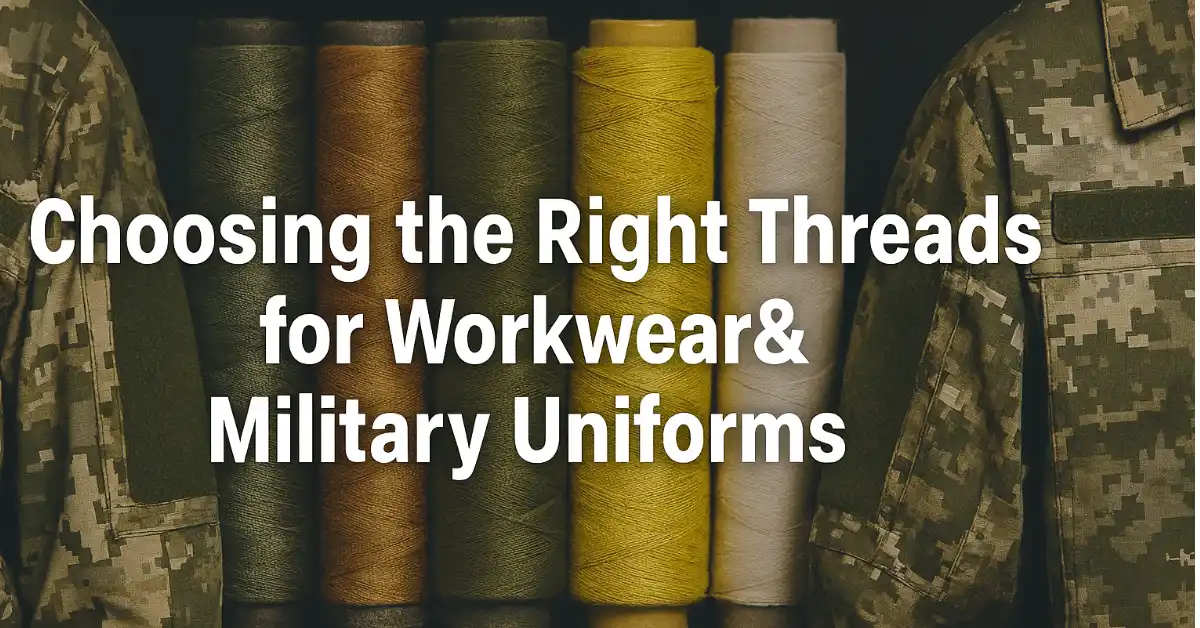
High-quality threads are the backbone of durable work and uniform fabrics. They ensure longevity and reliability, especially in demanding environments like military applications. Selecting the right military sewing thread is crucial for manufacturers aiming to produce resilient uniforms that withstand rigorous conditions. The importance of these threads cannot be overstated, as they play a pivotal role in maintaining the fabric’s integrity over time.
Choosing military sewing threads
Military uniforms require threads that offer superior strength and resistance to wear and tear. These threads must endure harsh weather conditions, frequent washing, and extended use without compromising their performance. The selection process involves considering factors such as tensile strength, abrasion resistance, and colorfastness. Each characteristic contributes significantly to the overall durability of the garment.
Manufacturers often opt for synthetic fibers due to their enhanced properties:
- Nylon: Known for its exceptional strength and elasticity, making it ideal for heavy-duty stitching.
- Polyester: Offers excellent UV resistance and does not shrink or stretch easily.
- Kevlar: Provides unmatched toughness; commonly used in protective gear due to its high tensile strength.
The choice of thread directly impacts the functionality of military attire. For instance, nylons flexibility makes it suitable for seams requiring elasticity, while Kevlar’s robustness is perfect for areas exposed to high stress. Understanding these nuances helps manufacturers create garments that meet stringent military standards.
Threads for workwear and uniforms
The demands on workwear and uniforms extend beyond simple durability; comfort and aesthetics also play vital roles. In modern production, threads for workwear and uniforms have become indispensable in achieving a balance between performance and design. Selecting appropriate threads ensures that garments not only last but also maintain their appearance throughout their lifecycle. Threads must withstand regular laundering processes while retaining color vibrancy-an essential attribute for corporate uniforms where brand image matters.
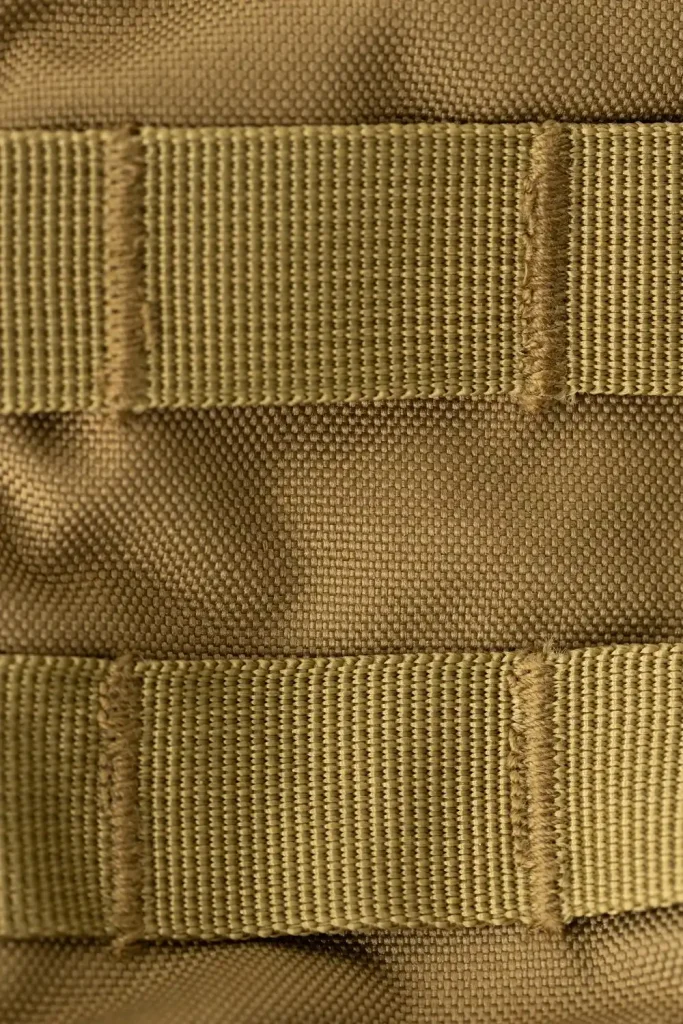
Sustainability is increasingly influencing thread choices, with many manufacturers turning towards eco-friendly options without sacrificing quality. Recycled polyester is gaining popularity due to its reduced environmental impact compared to virgin polyester production. Similarly, organic cotton threads are utilized in industries prioritizing sustainability goals.
The diversity in application requires careful consideration of thread types:
Nylon remains a preferred choice for heavy-duty workwear due to its resilience under pressure. Polyester suits environments where exposure to sunlight or chemicals is prevalent because of its resistant nature. Cotton blends are favored in settings valuing comfort alongside utility.
This tailored approach ensures each piece of clothing serves its intended purpose efficiently while adhering to industry specifications.
Conclusion
Selecting the right threads is paramount in manufacturing durable workwear and uniforms. In addition, evaluations of threads for workwear and uniforms are regularly conducted to ensure both functionality and style remain optimal. The correct combination enhances performance capabilities across various industries-from military operations demanding unparalleled endurance to corporate spheres focusing on presentation alongside functionality. As technology advances continue influencing material science, future trends will likely see even more innovative solutions emerging within this sector, ensuring garments meet evolving consumer expectations effectively.
FAQs
What makes nylon the preferred thread for heavy-duty workwear?
Nylon excels in military sewing threads due to its exceptional tensile strength and elasticity, making it ideal for seams under pressure in uniforms. It resists abrasion and frequent laundering, ensuring garment integrity in demanding environments like construction or fieldwork, while maintaining flexibility for comfort.
How does polyester contribute to UV resistance in outdoor uniforms?
Polyester threads offer superior UV resistance for workwear and military uniforms exposed to sunlight, preventing degradation and color fading. Unlike cotton, it avoids shrinkage or stretching, supporting long-term durability in harsh weather, chemical exposures, and rigorous use for reliable performance.
Why choose Kevlar for high-stress areas in protective gear?
Kevlar provides unmatched toughness and high tensile strength in military applications, perfect for stitching high-stress zones in uniforms and gear. It withstands extreme wear, impacts, and tears, enhancing safety and longevity without compromising on lightweight design for tactical mobility.
What role does sustainability play in selecting uniform threads?
Sustainable options like recycled polyester reduce environmental impact in workwear production while matching virgin materials in strength and colorfastness. Organic cotton blends add comfort for corporate uniforms, aligning with eco-conscious brands that prioritize durability without sacrificing ethical manufacturing standards.
How to select threads for balancing durability and comfort in uniforms?
Evaluate tensile strength, abrasion resistance, and colorfastness based on exposure—nylon for elasticity, polyester for UV/chemical resistance, cotton blends for breathability. Tailor to application for workwear that endures laundering yet feels comfortable, preserving brand image through vibrant, long-lasting fabrics.