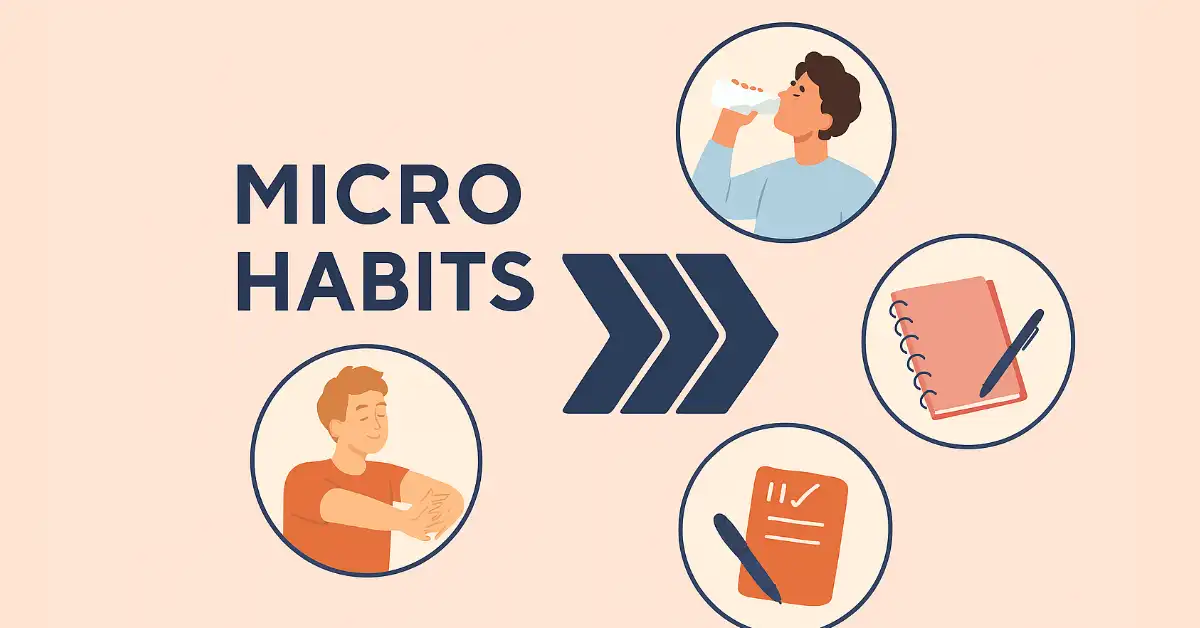
Many people feel excited when they plan a major lifestyle change. The idea of a fresh start feels appealing. Yet the shift from excitement to everyday action often feels harder than expected. Large plans need time, structure, and motivation. These elements can feel difficult to manage on a busy day. This aspect is why many people turn to smaller steps that blend into familiar routines. Micro habits offer gentle progress without the need to reshape an entire schedule.
They work well because they feel manageable, and they encourage steady behavior without pressure. When habits feel simple, people tend to return to them with ease. This article explores why these small actions often stay with us for much longer than big lifestyle plans.
Understanding What Micro Habits Truly Are
Micro habits are small actions that fit into daily life with minimal effort. They focus on one simple behavior that feels straightforward to repeat. A micro habit might take only a few seconds, yet it can help shape a steady routine over time. These actions do not ask for major adjustments or long commitments. They sit comfortably beside what someone already does each day. Micro habits can include simple actions like writing a quick note, stretching for a moment, or taking health-friendly supplements by a brand like USANA Health Sciences as part of a routine that already feels familiar. When a habit feels clear and manageable, people can return to it with ease and consistency.
Why Smaller Actions Blend Smoothly Into Daily Routines
A key reason micro habits stay consistent is that they blend into what people already do. A small action fits naturally next to tasks like making a morning drink, sitting at a desk, or going for a short walk. Something is easier to remember when it is connected to a routine. It feels like part of the flow of the day. People often continue these small actions because they require very little planning. The less effort a habit needs to begin, the more likely it is to continue. This smooth fit is what gives micro habits so much staying power.
How Micro Habits Reduce the Need for Complex Planning
Many people find it easier to stay consistent when a habit does not rely on a detailed plan. Micro habits work well because they need very little preparation. Someone can start the action right away without writing schedules or tracking long lists. This removes the pressure that often comes with structured plans. Micro habits thrive in everyday situations because they rely on simple cues instead of strict rules. When an action is simple to begin, it becomes more natural to repeat. This simplicity helps micro habits stay steady even when life feels busy.
Designing an Environment That Supports Consistent Habits
Environment shapes behavior more than many people realize. When someone places cues around them, habits feel easier to follow. A cue might be a reusable bottle on the counter, a journal on a bedside table, or shoes placed near the door. These small details guide behavior in a subtle and advantageous way. Micro habits respond well to these cues because the action is already small. The environment acts as a friendly reminder without creating pressure. When people design their space with intention, it becomes easier to maintain their chosen routines.
Why Micro Habits Feel Enjoyable to Maintain Over Time
A habit that feels enjoyable is more likely to stay in someone’s life. Micro habits focus on actions that feel light and achievable. They do not demand major changes, long time blocks, or strict schedules. This feature makes them pleasant to repeat. People often keep habits that provide a sense of calm, order, or satisfaction. Micro habits support these feelings because they fit smoothly into the rhythm of the day. They encourage a relaxed approach to personal well-being without the need for large plans or strict commitments. Over time, this enjoyment becomes one of the strongest reasons micro habits continue.
Why Large Lifestyle Plans Can Feel Difficult to Manage
Large lifestyle plans often require time, planning, and preparation. This situation can feel challenging when someone has unpredictable days or a schedule filled with tasks. These plans may involve several changes all at once. This can create a sense of pressure. When a habit feels too big, people may struggle to fit it into their day. Micro habits offer a simpler option. They focus on one small action. This approach makes it easier for individuals to stay consistent. By shifting attention toward small steps, people can maintain routines without feeling weighed down by long checklists or complex plans.
Practical Ways to Create Micro Habits That Last
Micro habits last when they begin small and attach to familiar moments. Someone can link a short action to something they already do each day, such as waking up, preparing meals, or getting ready for bed. Clear placement helps the habit stay top of mind. People can start with one micro habit before adding another. This keeps the routine simple and avoids overwhelm. A habit also lasts longer when it feels meaningful. Choosing an action that aligns with personal values helps the habit feel worth repeating. Over time, these steps settle into the flow of the day and feel natural.
Examples of Micro Habits Suited to Different Lifestyles
People with busy workdays might take a brief stretch before sitting at their desk or step outside for a slow walk during a break. Students can organize study materials for a few minutes at the end of each day. Parents can take a short break to do something relaxing. Older adults may enjoy gentle movement or quiet reading at set times. These actions remain small, yet they bring structure and comfort to each day. Their simplicity allows people to maintain them with ease.
Micro habits stay in people’s lives because they feel easy to start and simple to maintain. They fit into natural routines and support steady progress without pressure. These habits offer a calm and practical way to shape daily life. They allow each person to choose actions that match their pace, personality, and goals. By focusing on small steps, people can create routines that feel enjoyable and consistent. Micro habits show that meaningful changes often begin with the simplest choices.
FAQs
What are micro habits, and how do they differ from large lifestyle plans?
Micro habits are tiny, effortless actions like a quick stretch or note in a journal that fit seamlessly into your day, lasting seconds without major changes. Unlike large plans, which demand extensive time, structure, and motivation, leading to overwhelm, micro habits reduce pressure and promote steady, enjoyable progress for long-term consistency.
Why do micro habits blend smoothly into daily routines?
They require no complex planning or schedules, using natural cues like morning coffee or desk breaks to trigger small actions. This low-effort approach makes them easy to remember and execute amid busy lives, fostering natural integration and reducing the mental load of big overhauls for sustainable habit formation.
How can I design my environment to support micro habits?
Place subtle cues like a water bottle on your desk, a journal by your bed, or shoes near the door to gently guide behaviors without effort. These environmental nudges make small actions automatic, minimizing resistance and enhancing consistency, so habits feel supportive rather than forced in your everyday space.
What makes micro habits enjoyable and sustainable over time?
Their simplicity brings calm satisfaction and a sense of order without demanding huge commitments, aligning with your natural rhythm. By focusing on meaningful, low-pressure steps tied to personal values, they build quiet wins that accumulate into real change, keeping motivation high unlike the burnout from ambitious lifestyle plans.
Why do large lifestyle plans often fail to maintain consistency?
Big plans involve multiple changes, strict checklists, and high motivation needs, creating pressure that clashes with unpredictable schedules and leads to quick abandonment. Micro habits succeed by starting small, avoiding overwhelm, and leveraging routine cues for effortless, enduring progress in health and productivity.