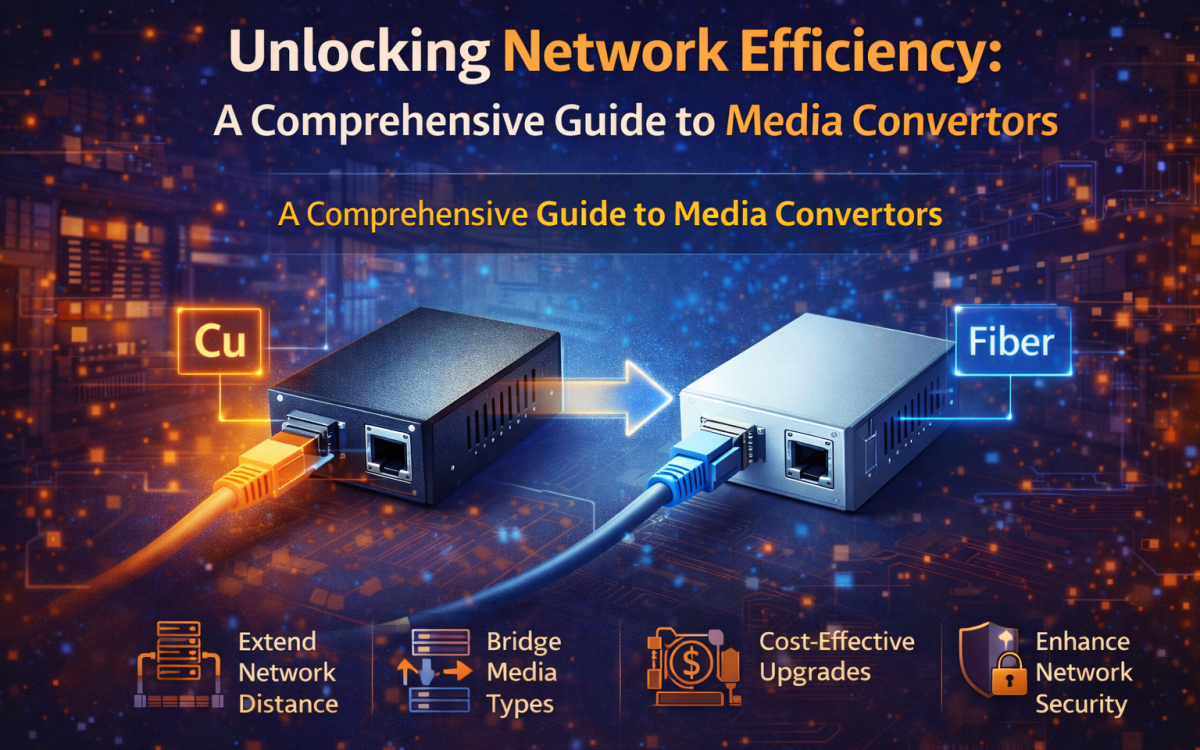
In the realm of networking, efficiency and adaptability are paramount. One way to enhance both is through the use of a media convertor. These devices play a crucial role in the integration of various media formats within a single network infrastructure.
Understanding Media Convertor
Media convertors are devices that enable the conversion between different types of network media. For instance, they can convert between copper and fibre optic cables, which allows for greater flexibility and scalability in network configurations. By bridging this gap, media convertors facilitate the seamless integration of legacy systems with modern technologies, enhancing operational efficiency.
The Role of Media Convertor in Networking
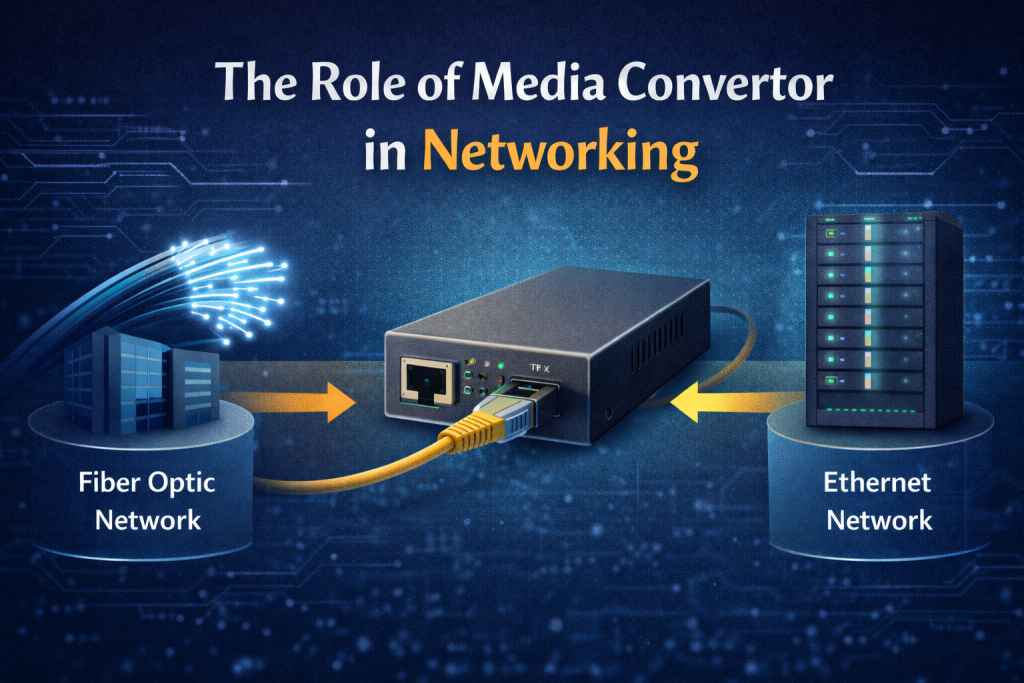
The primary function of a media convertor is to extend the operational distance of network connections. Fibre optic cables, for instance, provide greater distance capabilities compared to traditional copper cables. By employing a media convertor, networks can leverage the strengths of both copper and fibre connectivity without significant infrastructure changes.
Types of Media Convertor
There are several types of media convertors available, each designed to meet specific networking needs. Common types include copper-to-fibre convertors and multimode-to-single-mode convertors. Choosing the right type depends on the existing network infrastructure and the desired outcomes.
Benefits of Using Media Convertor
Implementing media convertor within a network offers multiple benefits. Firstly, they promote cost-efficiency by extending the lifespan of legacy equipment. Secondly, they provide a cost-effective solution for network expansion and upgrade, reducing the need for completely new cabling systems.
Scenarios for Media Convertor Usage
Media convertor are particularly useful in situations where different network media types must be interconnected. This is common in large enterprises and data centres, where diverse cable types are often utilised to optimize performance across complex networking environments.
Factors to Consider When Choosing a Media Convertor
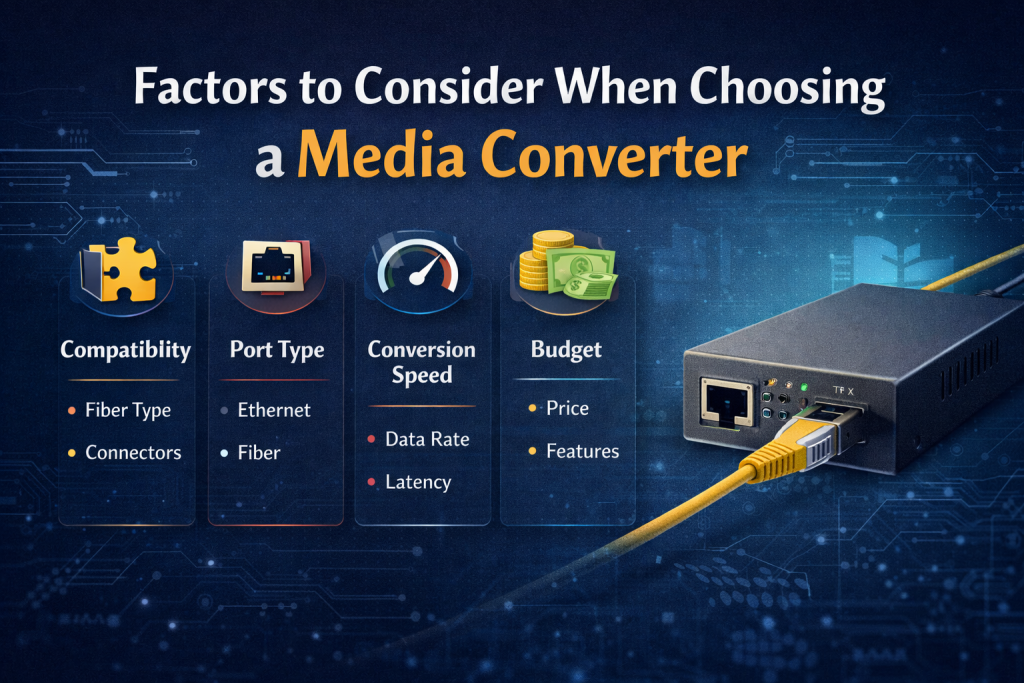
When selecting a media convertor, consider factors such as the supported transfer rate, compatibility with existing network hardware, and environmental conditions such as temperature and humidity, which may affect device performance.
Installation and Maintenance
Installing media convertors is typically straightforward, involving simple connections to existing network cables. Maintenance is also minimal, which adds to the overall cost-effectiveness of these devices. However, regular checks are recommended to ensure optimal performance and longevity.
Media Convertor and Network Security
Security is a critical concern in modern networking, and media convertor can play a role in maintaining a secure network. They allow for the physical separation of network segments, which can be crucial for implementing security measures and protocols.
The Future of Media Convertors
As network requirements continue to evolve, the demand for adaptable and efficient solutions like media convertors will likely increase. Emerging technologies and the continuous expansion of IoT applications will further drive the need for flexible network infrastructures.
Conclusion
Media convertors are indispensable tools for enhancing network efficiency and adaptability. By enabling seamless conversions between different media types, they provide a practical solution for modern network challenges. With cost savings, extended network lifespans, and improved security, media convertors remain a valuable component of any advanced networking setup.