What’s the first thing you do when your Wi-Fi goes down in the middle of a video call? Panic? Restart the router? Blame the cat for stepping on something? In a world where nearly everything runs through a screen, losing your connection feels like losing control. And it’s not just about convenience anymore. From schoolwork to banking, smart security to emergency alerts, a solid digital setup has quietly become the foundation of daily life.
Our lives are more connected than ever. But with that connection comes vulnerability. A sudden outage or equipment failure can interrupt work, delay urgent messages, or worse, disconnect us when it matters most.
As digital dependence grows, so does the need for a safety net. One that doesn’t just work when things are fine, but holds up when things go sideways. This is no longer a luxury. It’s a need—especially for households that rely on tech for everything from communication to climate control.
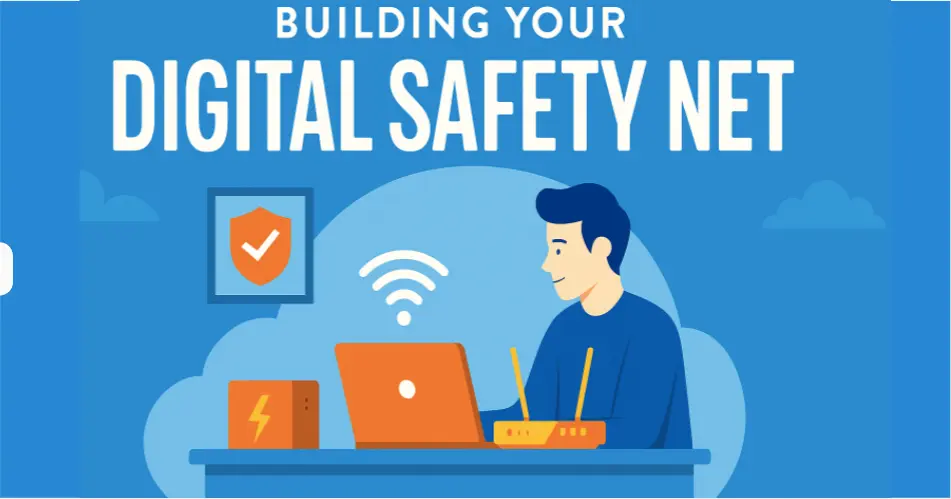
In this blog, we will share the key parts of a digital setup that actually protect your time, your data, and your peace of mind when life throws a curveball.
Why You Need More Than Just a Fast Connection
It’s easy to assume a strong Wi-Fi signal is all you need. But speed without stability is like a race car with loose wheels. When weather events, power failures, or network congestion strike, what matters most isn’t just how fast your service is—it’s how consistently it holds up under pressure.
That’s why building your digital safety net starts with choosing the right provider. For example, SmartMove Internet connects users to dependable services tailored to their location. It’s not just about getting online—it’s about staying online. Whether you’re working from home, managing smart devices, or streaming the morning news during a storm, a reliable connection is the backbone of every other layer of your digital world.
With Smartmove, the process is designed for ease. Enter your address, and you’re matched with available services in your area, often with installation help and provider-specific support tools. This saves time when setting up a new home, especially during a move when digital gaps are most noticeable. And when there’s an emergency, knowing you’re with a provider known for uptime and fast recovery is no small comfort.
The Devices That Do the Heavy Lifting
Once your connection is stable, the next piece is your hardware. Not all routers are created equal. The dusty one you got free five years ago might be fine during light use, but it won’t stand a chance when every device in your home is asking for bandwidth.
Invest in a modern router with dual-band or tri-band support. Mesh systems are even better if you have a larger home or thick walls. These keep the signal strong across rooms, which matters if you’re moving between spaces or relying on smart devices in different zones of the house.
Also, consider adding an uninterruptible power supply (UPS) to your setup. This battery backup keeps your modem and router running during brief outages, giving you time to save work or get updates without losing connection. It’s especially useful during storms or rolling blackouts, which are happening more often in parts of the country due to grid strain.
For those who rely on remote work, a backup hotspot from your mobile provider can offer a short-term lifeline. Just make sure it’s tested before you actually need it. Having the hardware is great, but if you don’t know how to use it in a pinch, it won’t help much.
The Role of Smart Systems and Cloud Access
Today’s homes are full of smart gadgets. Thermostats, doorbells, cameras, lights—even refrigerators. But these tools are only helpful if you can access and control them when you need to.
That’s why cloud-based services matter. If your home relies on automation, you need those systems to continue working—or at least to reset themselves safely—when something disrupts the network. Many devices now offer low-power backup modes or send alerts to your phone if something changes. These features give you a chance to act fast, even if you’re not home.
Security is a huge part of this. A connected home without secure access is like leaving your door unlocked. Use two-factor authentication for all smart apps. Regularly update your firmware. And avoid using the same passwords across devices.
Cloud backups aren’t just for businesses anymore. Personal data—like documents, photos, or even saved project files—should be synced to a secure cloud service. That way, if your hardware crashes during a power surge or network issue, you don’t lose everything.
Digital Habits That Make a Big Difference
A reliable setup doesn’t end with tools. It depends on habits. Create routines around your digital space the same way you lock your doors or check the thermostat before bed.
Run speed tests monthly to make sure your service is performing as expected. If your connection is dropping or slowing down, address it early. Update device software regularly to avoid bugs or security gaps.
Teach everyone in your household how to reset the router, switch to a hotspot, or check the backup battery. During an outage, panic slows things down. Familiarity speeds things up.
Also, know your provider’s support channels. Save the customer service number, bookmark the outage map, and check if there’s a mobile app with real-time alerts. These things save precious time when service dips unexpectedly.
And here’s a tip many forget: label your cords and devices. When you’re troubleshooting in the dark (literally), knowing which cable leads where can save you serious frustration.
Why Emergencies Are the Wrong Time to Experiment
The reality is, tech emergencies don’t happen on a schedule. They hit during deadlines, storms, or Sunday night homework rushes. Waiting to upgrade your setup until you’re in crisis is like buying car insurance after an accident.
That’s why it pays to think ahead. A digital safety net is something you build before you need it. It’s the sum of the small decisions—choosing a good provider, updating your router, checking your surge protectors, backing up files—that add up to peace of mind when the unexpected hits.
We live in a world where everything depends on being connected. Our lights, our work, our security systems, and our communication all run through the same digital threads. The stronger and smarter your setup, the better your home will function under stress.
So, instead of waiting for the next outage to test your limits, take time now to reinforce the systems that support your life. Because a good digital safety net doesn’t just keep you connected. It keeps you calm, confident, and ready for whatever comes next.