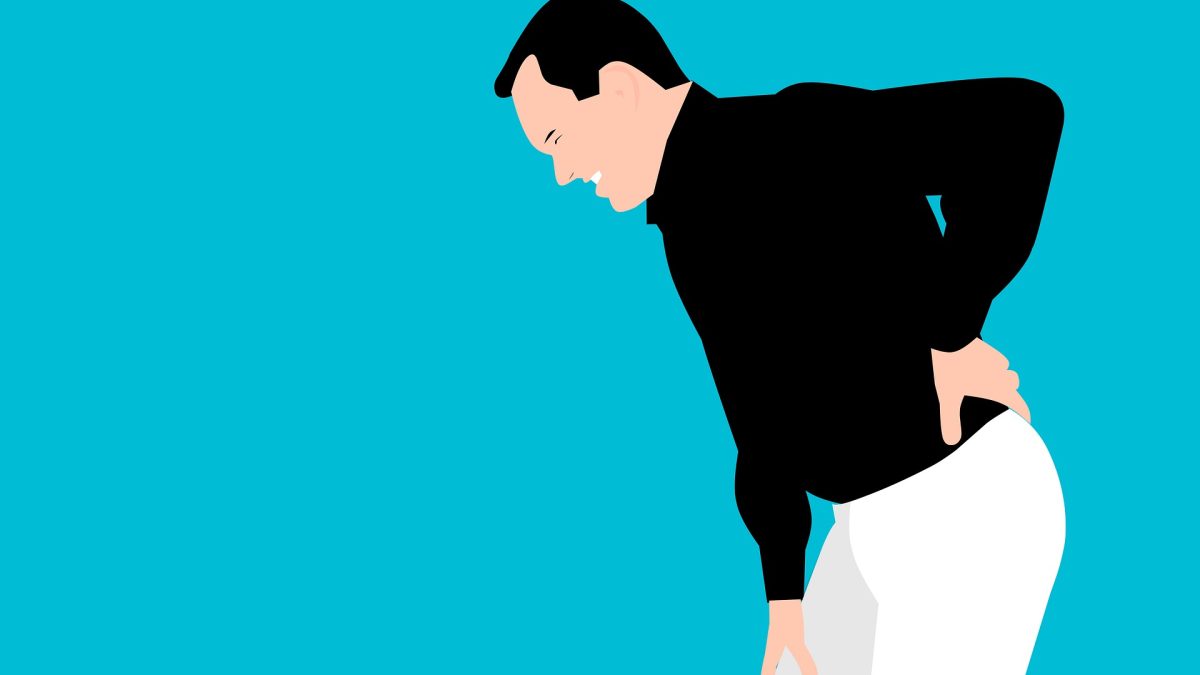
As people grow older, everyday movement may feel different, especially when muscle stiffness or general soreness becomes more common, yet many still stay active with the right support. Simple activities like getting out of bed, climbing stairs, or reaching for items may feel harder than they once did.
Choosing the right muscle pain reliever plays a meaningful role in restoring ease of movement and supporting recovery. While several options are available, certain types stand out for their convenience, speed of action, and ease of use at home or on the go.
Understanding how each muscle pain reliever works helps you pick one that fits your routine, pain level, and lifestyle. In this guide, we explore how each type can help you feel more at ease.
Why People Rely on Muscle Pain Relievers
A muscle pain reliever becomes especially helpful as people grow older and daily activities begin to place added strain on the body. Many seniors experience tight or sore muscles, reduced flexibility, and longer periods of sitting that make everyday tasks feel more demanding. Some may also notice joint stiffness or slower recovery after routine movements.
The right muscle pain reliever should:
1. Provide targeted relief
2. Reduce stiffness
3. Improve mobility
4. Support natural recovery
5. Fit easily into daily routines
Each type of muscle pain reliever offers relief in its own way. Understanding these differences helps seniors choose the option that best supports their comfort each day.
Understanding Popular Types of Muscle Pain Relievers
Below are the three most commonly preferred forms of muscle pain reliever, each offering practical support for different levels of muscle discomfort.
1. Muscle Pain Relief Patches
A patch is a simple, long-lasting muscle pain reliever that works by delivering steady comfort directly to the affected area. It adheres to the skin, stays in place, and provides consistent relief throughout the day without frequent reapplication.
Why do people choose patches?
● Offer long-duration comfort
● Provide a hands-free, mess-free application
● Stay discreet under clothing
Patches are especially useful for individuals who want a muscle pain reliever that continues working during day-to-day tasks.
2. Muscle Pain Relief Gels
Gels are known for their quick absorption and cooling sensation. A gel-based muscle pain reliever works fast, making it popular among active users, fitness enthusiasts, and individuals who experience sudden muscle tension.
Why do people choose gels?
● Offer targeted relief
● Cover larger areas like the neck, joints, muscles, or shoulders easily
● Work well after workouts or physical strain
● Quick dry and non-sticky
Because gels penetrate the skin rapidly, pain-relief gels are ideal for individuals who want a muscle pain reliever that works quickly and doesn’t interfere with daily activities.
3. Muscle Pain Relief Roll-Ons
A roll-on combines precision, hygiene, and portability. This type of muscle pain reliever features a smooth applicator ball that glides over the skin, allowing targeted application without touching the product.
Why do people choose roll-ons?
● Offer a mess-free, hands-free experience
● Allow precise application to small or sensitive areas
● Provide a gentle massage-like motion for added comfort
● Great for neck, joint, and lower-back tension
Roll-ons are often chosen by seniors, travelers, office workers, and athletes who want a quick-access muscle pain reliever they can apply discreetly throughout the day.
Daily Habits That Help Reduce Muscle Pain
Simple daily habits can make a meaningful difference in how seniors manage muscle stiffness and overall comfort. These small, consistent practices support healthy movement, ease tension, and complement the effects of any muscle pain reliever.
By incorporating gentle routines into everyday life, seniors can experience smoother mobility and less strain throughout the day. Helpful habits include:
1. Light stretching in the morning to loosen tight muscles
2. Staying hydrated to support natural muscle function
3. Taking warm showers to relax tired areas
4. Using mild heat for stiffness or cool packs for strain
5. Maintaining good posture during sitting and walking
6. Engaging in light activity, like short walks, to prevent stiffness
Take the Next Step Toward Easier, More Comfortable Movement
Managing muscle soreness should never feel complicated, especially for seniors who value comfort and ease throughout the day. The right muscle pain reliever brings gentle support to tired muscles and helps make ordinary routines feel lighter and more achievable.
When seniors can rely on simple, effective options, they gain more freedom to move, rest, and engage in daily activities with less strain. Pain relief becomes not just a task but a small step toward better well-being and a more comfortable lifestyle.
Wellness providers continue to design supportive options for aging adults. Solutions from wellness providers like AGEasy offer practical, senior-friendly formats. These wellness choices help seniors care for themselves more easily.