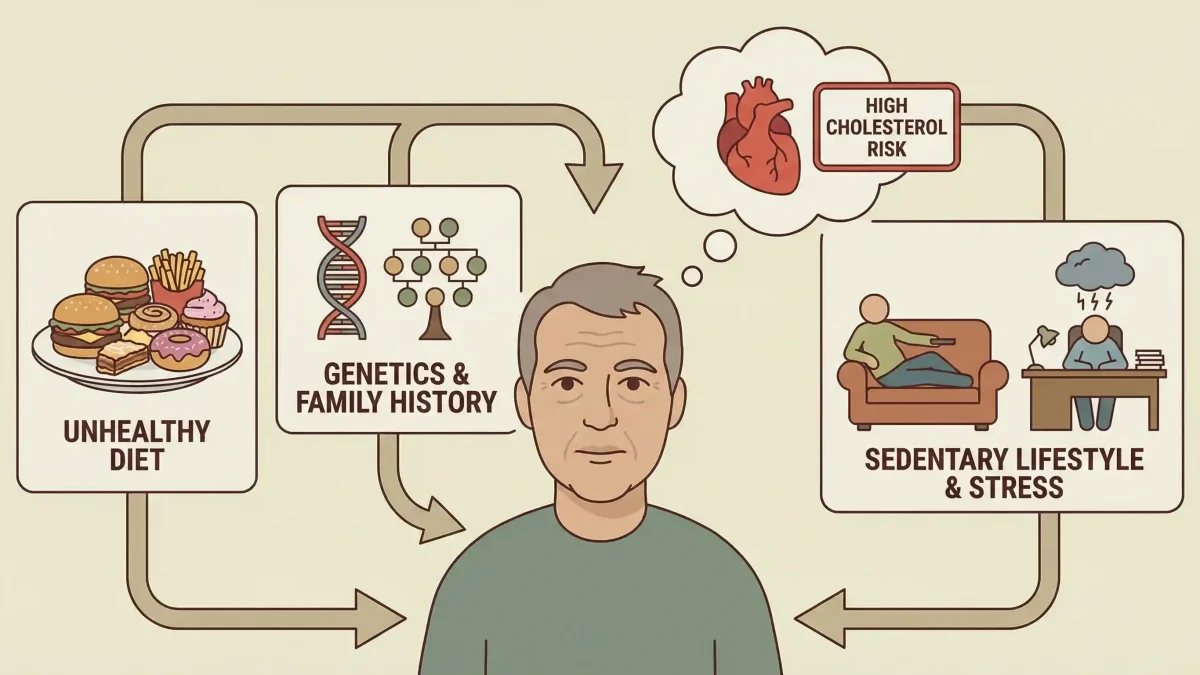
“About 11.3% of U.S. adults—roughly 28 million people—have high total cholesterol levels above 240 mg/dL, according to the latest CDC data from 2021-2023.” Says the Centers for Disease Control and Prevention
High cholesterol is medically defined as a chronic disease characterized by abnormally high cholesterol levels in the bloodstream. Our body needs cholesterol to build healthy cells and make necessary hormones. When the total cholesterol level crosses the range of 200 mg/dL, it is considered borderline high, and above 240 mg/dL, it is classified as high, increasing the risk of complications. One can be diagnosed with hypercholesterolemia based on these elevated levels, particularly focusing on low-density lipoprotein (LDL) cholesterol, often called “bad” cholesterol, which should ideally be below 100 mg/dL for optimal health.
Some of the significant health complications of high cholesterol can be stroke and other heart diseases. To avert the risk of medical complications that can risk your life, you should get regular body checkups done at least once a year, or more frequently if you have risk factors, as recommended by the 2025 American Heart Association (AHA) guidelines. In addition, men diagnosed with high cholesterol can experience problems getting an erection. Excess production of bad cholesterol in the bloodstream can create arterial plaques that can damage and block blood flow, resulting in erection problems.
One may take tablets like Viagra or Cenforce 100 mg to treat difficulties in getting an erection.
However, such medication should always be taken after consulting a medical professional.
Understanding Cholesterol: Types and Functions
To fully grasp how the risk of high cholesterol increases, it’s essential to understand what cholesterol is and its different forms. Cholesterol is a waxy, fat-like substance produced by the liver and obtained from animal-based foods. It travels through the blood via lipoproteins.
- Low-Density Lipoprotein (LDL): Known as “bad” cholesterol, high levels (above 130 mg/dL) contribute to plaque buildup in arteries, leading to atherosclerosis.
- High-Density Lipoprotein (HDL): The “good” cholesterol, levels above 60 mg/dL are protective as it helps remove LDL from the bloodstream.
- Triglycerides: Another type of fat; high levels (above 150 mg/dL) combined with low HDL or high LDL amplify heart disease risk.
- Very Low-Density Lipoprotein (VLDL): Primarily carries triglycerides and can contribute to plaque formation.
According to the 2025 ESC/EAS Focused Update on Dyslipidaemias, managing these levels through lifestyle and, if needed, medications like statins is crucial for reducing cardiovascular events by up to 30-50%.
Recent research, including studies from the AHA’s 2025 Heart Disease and Stroke Statistics, highlights the role of inflammation and gut microbiome in cholesterol metabolism. For instance, a diet rich in fiber can promote beneficial bacteria that help lower LDL levels.
How Do I Know I Have High Cholesterol?
A disease like hypercholesterolemia usually doesn’t show any prior symptoms unless the medical condition progresses further. That is why doctors recommend people to get full body checkups done every once in a while to avert the risk of such diseases. The only sign that one might notice is the ones that may occur due to interlinked conditions.
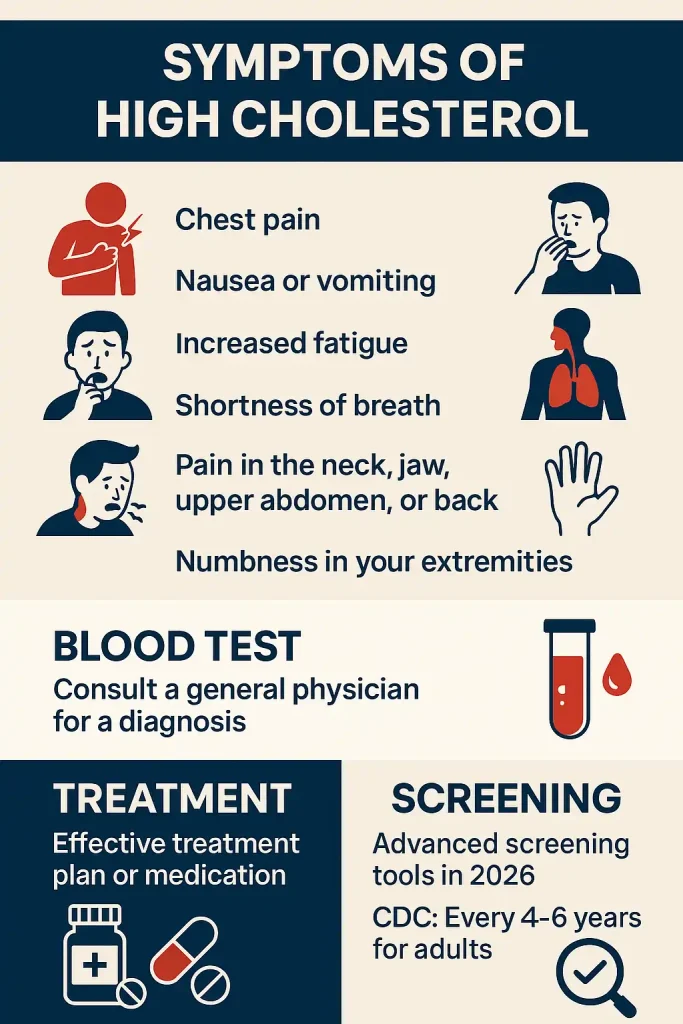
Diseases like hypertension, coronary artery disease, and other heart diseases can hint at high cholesterol by the following symptoms.
- Chest pain
- Nausea or vomiting.
- Increased fatigue.
- Shortness of breath.
- Pain in the neck, jaw, upper abdomen, or back.
- Numbness in your extremities.
Taking a simple blood test can help determine whether you have high cholesterol or not. However, it is advised to consult a general physician who can help chart out an effective treatment plan for the disease. In addition, men diagnosed with hypercholesterolemia may face difficulties getting intimate with a spouse.
Increased cholesterol levels can lead to specific changes in the brain chemicals that might make it hard for a man to get an erection. Taking pills like Cialis or Cenforce 100 mg can be highly efficient in treating erection-related health concerns.
Advanced screening tools in 2026, such as non-HDL cholesterol calculations and genetic testing for familial hypercholesterolemia, allow for earlier detection. The CDC recommends cholesterol screening every 4-6 years for adults over 20, or annually for those with risk factors like diabetes or family history.
Who Is at Risk For High Cholesterol?
Cholesterol is a fat-like, waxy substance that plays a crucial role in developing cell membranes in our body. We get cholesterol mainly from our liver and through the food we eat. Increased cholesterol levels can lead to plaque development in arteries and make them narrow and hard.
This process is termed atherosclerosis, making it hard for blood to flow smoothly through the arteries. High cholesterol can occur for many reasons, but some factors put a person in a high-risk category. Some of the significant risk factors of high cholesterol are as follows.
- Family history: Researchers estimate that high cholesterol can be genetic and run in families. The chances of getting high cholesterol increase if one family member gets diagnosed with a similar illness. Recent genomic studies, such as those in the 2025 AHA report, indicate that up to 1 in 250 people carry genes for familial hypercholesterolemia, warranting early screening.
- Age factor: Though the risk of getting diagnosed with hypercholesterolemia increases with age, it is not a necessity that everyone may call it. Factors like underlying health conditions and lifestyle choices are more significant determinants for the disease. By age 45-55, risks peak, but with 2026 trends showing younger adults affected due to sedentary lifestyles, prevention starts early.
- Obesity: People who are overweight or obese can face an increased risk of high cholesterol levels. Increased weight in the body means increased fat tissue, making cholesterol levels elevate. Men who become obese may experience issues getting intimate with their spouses due to several factors. According to CDC data, obesity rates contribute to 40% higher cholesterol risks; aim for BMI under 25 through strategies like sustainable weight loss.
Taking a pill like Cialis or Cenforce 100mg can be highly useful if any erectile difficulty arises.
- Unhealthy diet: People who take a diet consisting of high trans fats, saturated fats, and high calories can undoubtedly increase the risk of hypercholesterolemia. It is advised to lower the intake of meat, dairy products, processed and fried food to reduce the risk of the disease. Expand your diet with heart-healthy options: oats, nuts, fatty fish, and plant sterols, which can lower LDL by 5-15% per the 2025 AACE guidelines. For example, incorporating alsi seeds provides omega-3s to combat inflammation.
- Medical condition: People who already have pre-existing medical conditions like high blood pressure and diabetes are more prone to high cholesterol. It is advised to manage such diseases in the long run if one wants to lead a good quality of life. The 2025 ADA standards note that diabetes doubles cholesterol-related risks; regular monitoring is key.
Such conditions can also make a man experience some problems getting an erection. Medications like Cenforce 100mg can be taken to manage erection-related medical complications.
- Unhealthy lifestyle: A person may get diagnosed if they live a highly unhealthy lifestyle. Lifestyle choices like smoking tobacco products or staying highly inactive throughout the day certainly increase the chances of getting high cholesterol. Smoking lowers HDL by 10-15%, per AHA data. Incorporate activities like padel tennis for cardiovascular health to boost heart function.
Living an unhealthy lifestyle can also make it hard for a man to trigger an erection while maintaining a physical relationship with a spouse. Instead of relying on pills like Viagra and Cenforce 100 mg for erectile difficulty, it is highly advised to bring in some healthier lifestyle changes. Explore 10 ways to live a wholesome life for balanced habits.
Prevention and Treatment Strategies for 2026
Preventing high cholesterol involves a multifaceted approach. Start with dietary changes: Adopt the Mediterranean diet, rich in fruits, vegetables, whole grains, and healthy fats, which can reduce LDL by 10-20%. Exercise regularly—aim for 150 minutes of moderate activity weekly, such as brisk walking or cycling, to raise HDL levels.
For treatment, the 2025 ACC/AHA guidelines recommend statins for high-risk individuals, achieving 30-50% LDL reduction. Newer options like PCSK9 inhibitors or bempedoic acid are available for those intolerant to statins. Emerging therapies, including gene editing for familial cases, show promise in 2026 research.
Monitor progress with apps and wearables tracking lipid profiles. Consult healthcare providers for personalized plans, especially if you have conditions like diabetes.
For more authoritative information, visit the CDC Cholesterol Information or the American Heart Association Cholesterol Guide.
Common Myths About High Cholesterol
Myth 1: Only overweight people get high cholesterol. Fact: Genetics and diet affect anyone.
Myth 2: Eggs raise cholesterol dangerously. Fact: Moderate consumption is fine for most, per 2025 guidelines.
Myth 3: High cholesterol always causes symptoms. Fact: It’s often silent until advanced.
Conclusion
Managing high cholesterol is vital for long-term heart health and preventing life-threatening complications like stroke and heart disease. By understanding risk factors such as genetics, age, obesity, poor diet, and sedentary lifestyles, you can take proactive steps through regular screenings, balanced nutrition, exercise, and medical interventions when needed. Keeping blood pressure, glucose, and cholesterol levels in check can help prevent major health concerns. Adopt heart-healthy habits today—consult your doctor for personalized advice and start with small changes for lasting results. Prioritizing prevention not only reduces risks but enhances overall quality of life. For more tips, explore related articles on wholesome living.
NOTE: Tablets like Cialis and Cenforce 100 mg should only be taken through a valid prescription.
FAQs
What are the main risk factors for high cholesterol?
Family history, advancing age, obesity, unhealthy diets high in saturated fats, pre-existing conditions like diabetes, and sedentary lifestyles significantly increase risks. Regular checkups and lifestyle changes can mitigate these factors effectively.
How can I lower my cholesterol naturally?
Incorporate fiber-rich foods like oats and fruits, exercise 150 minutes weekly, quit smoking, and maintain a healthy weight. Avoid trans fats and limit processed foods for a 10-20% LDL reduction without medication.
What is the difference between LDL and HDL cholesterol?
LDL, or “bad” cholesterol, builds plaque in arteries, increasing heart disease risk, while HDL, “good” cholesterol, removes excess cholesterol from the blood, protecting against cardiovascular issues.
How often should I get my cholesterol checked?
Adults over 20 should screen every 4-6 years, but annually if you have risk factors like family history or diabetes, as per CDC and AHA guidelines for early detection and management.
Can high cholesterol cause erectile dysfunction?
Yes, plaque buildup from high cholesterol can restrict blood flow, leading to erection problems. Lifestyle improvements and consulting a doctor for treatments like medications are recommended.
Disclaimer: This article is for informational purposes only and is not a substitute for professional medical advice, diagnosis, or treatment. Always seek the advice of your physician or other qualified health provider with any questions you may have regarding a medical condition. The information provided is based on general knowledge and recent studies as of 2026, but individual health needs vary.