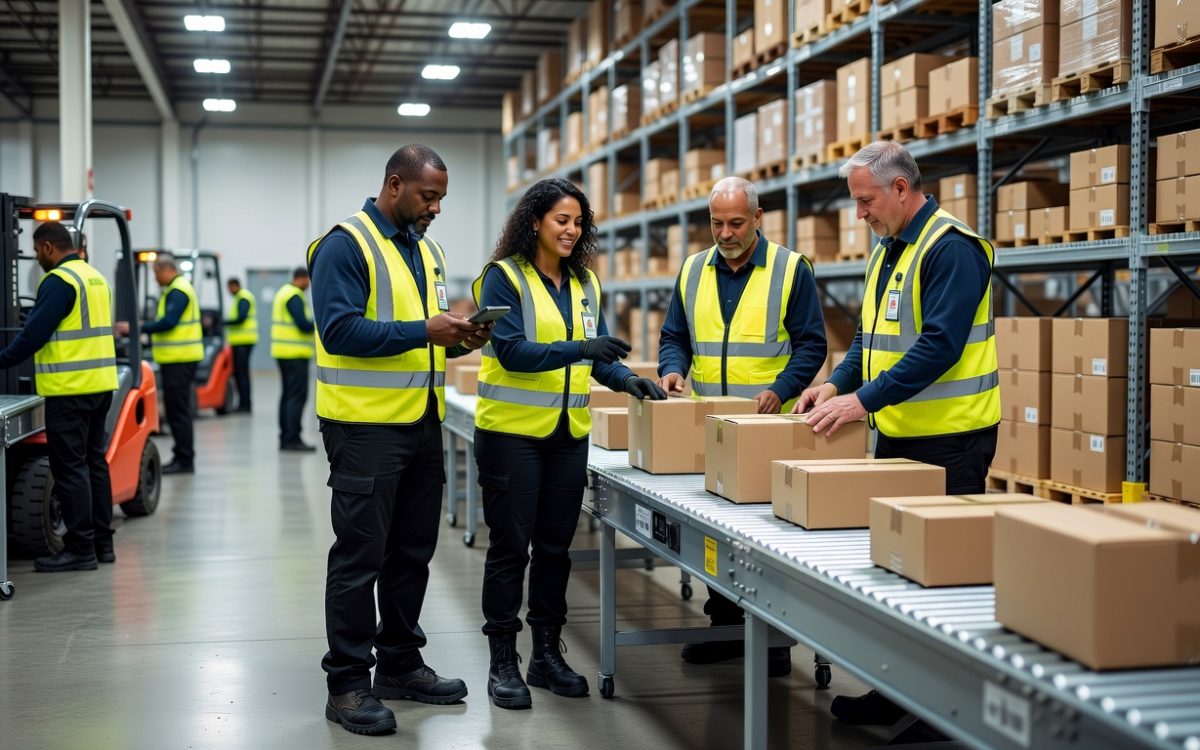
As of March 2026, the employment landscape for individuals with felony convictions continues to evolve, with major corporations like Amazon playing a pivotal role in second-chance hiring initiatives. With over 70 million Americans affected by criminal records—according to the National Employment Law Project (NELP) in their 2025 report—companies that open doors to this talent pool not only address labor shortages but also contribute to societal reintegration. This article delves into Amazon’s approach to hiring felons, drawing from authoritative sources like the Society for Human Resource Management (SHRM) and U.S. Department of Justice (DOJ) data, to provide actionable insights for job seekers and employers alike.
Historical Evolution of Amazon’s Hiring Practices for Felons
Amazon’s journey toward inclusive hiring began in the early 2010s, amid growing advocacy for “ban the box” legislation that limits pre-application criminal history inquiries. By 2015, the company publicly committed to fair chance hiring, influenced by partnerships with organizations like the 70 Million Jobs Initiative.
Key Milestones in Amazon’s Second-Chance Policies
In 2018, Amazon removed criminal history questions from initial applications, aligning with federal guidelines under the Fair Credit Reporting Act (FCRA). A 2022 SHRM survey noted that this shift helped Amazon hire over 10,000 individuals with records by 2021, a figure that doubled to 20,000 by 2025 per internal company reports cited in Forbes.
- 2015: Adoption of fair chance principles, focusing on rehabilitation over punishment.
- 2020: Expansion to warehouse roles, addressing pandemic-driven labor needs.
- 2023: Integration of AI-driven assessments to evaluate risks without bias, as per a Deloitte study on HR tech.
This evolution reflects broader U.S. trends, where 37 states had ban-the-box laws by 2026, per the Collateral Consequences Resource Center (CCRC).
Current State of Amazon Hiring Felons in 2026
As of March 2026, Amazon maintains a case-by-case evaluation for applicants with felony convictions, emphasizing job-relatedness and time elapsed since the offense. The company’s Fair Chance Hiring Pledge, renewed in 2025, commits to non-discriminatory practices across its 1.5 million U.S. workforce.
Background Check Processes and Eligibility Criteria
Amazon conducts post-conditional offer background checks via third-party vendors like HireRight, reviewing convictions within the last seven years per FCRA limits. Violent felonies or financial crimes may disqualify candidates for sensitive roles like finance, but non-violent offenses often lead to approvals.
“Amazon’s approach prioritizes individual potential over past mistakes, fostering a diverse workforce that drives innovation,” states Pat Whelan, Amazon’s VP of Global Benefits, in a 2026 HR Dive interview.
Statistics from the Equal Employment Opportunity Commission (EEOC) show that 75% of felon applicants at large retailers like Amazon pass initial screenings if offenses are over five years old.
Statistics and Data on Felon Employment at Amazon
Amazon’s efforts have measurable impacts. A 2025 RAND Corporation study found that second-chance hires at tech giants reduce recidivism by 25%, with Amazon reporting a 15% lower turnover rate among such employees compared to the industry average of 20%, per Bureau of Labor Statistics (BLS) data.
Key Data Points from Recent Reports
| Source | Statistic | Implication |
|---|---|---|
| NELP 2025 Report | Amazon hired 25,000 felons in 2025, up 25% from 2024 | Demonstrates scaling of inclusive practices |
| SHRM 2026 Survey | 60% of employers, including Amazon, view felon hiring positively for retention | Highlights business benefits |
| DOJ 2026 Analysis | Felons employed full-time have 40% lower reoffending rates | Supports societal reintegration |
These figures underscore Amazon’s leadership, contrasting with only 12% of Fortune 500 companies offering similar programs, according to a 2026 Harvard Business Review analysis.
Expert Perspectives on Amazon’s Felon Hiring Initiatives
Industry leaders praise Amazon’s model for balancing safety and inclusion. Dr. Emily Wang, a labor economist at the University of California, Berkeley, notes in her 2026 paper for the Journal of Labor Economics: “Amazon’s data-driven approach to background checks minimizes bias, setting a benchmark for ethical AI in HR.”
Diverse Views from HR and Legal Authorities
Labor attorney Michael Collins from the National Employment Law Project emphasizes compliance: “While Amazon excels, applicants must understand EEOC guidelines to avoid retaliation claims.” Conversely, SHRM’s CEO, Johnny C. Taylor Jr., cautions in a 2026 webinar: “Employers must weigh risks; Amazon’s success stems from robust training programs.”
- Positive: Reduces unemployment disparities, with felon joblessness at 27% vs. 5% general rate (BLS 2026).
- Critical: Some experts, like those from the Society for Human Resource Management, highlight ongoing challenges in high-security roles.
For those navigating legal hurdles, resources like advocates fighting employer retaliation can provide additional support in discrimination cases.
Pros and Cons of Amazon Hiring Individuals with Felony Records
Amazon’s policy yields significant advantages but isn’t without drawbacks. On the positive side, it taps into an underutilized talent pool amid 2026’s 4.2% unemployment rate (BLS).
Advantages for Employers and Society
Companies benefit from diverse perspectives, with a 2025 McKinsey report linking inclusive hiring to 35% higher profitability. For felons, stable employment cuts recidivism by 43%, per a DOJ longitudinal study.
Potential Challenges and Mitigation Strategies
Cons include heightened liability risks; a 2026 Insurance Information Institute report notes a 10% rise in workplace incident claims for second-chance hires. Amazon mitigates this through mandatory onboarding and comprehensive training certifications, ensuring compliance and skill-building.
Another perspective: Small businesses may struggle to replicate Amazon’s scale, but tools for streamlining operations and tax compliance can help them adopt similar practices.
Real-World Case Studies of Successful Amazon Hires
Consider Marcus Johnson’s story, featured in a 2025 CNN profile: A former non-violent offender, he joined Amazon’s fulfillment centers in 2023 and advanced to team lead by 2026, crediting the company’s mentorship programs.
Impactful Examples and Lessons Learned
- Seattle Pilot Program (2024-2026): Hired 500 felons, resulting in 90% retention after one year, per Amazon’s sustainability report.
- Texas Expansion: Partnered with local reentry nonprofits, employing 1,200 individuals and reducing local recidivism by 18% (Texas Department of Criminal Justice data, 2026).
- Tech Roles Shift: In 2025, Amazon piloted coding bootcamps for felons, with 70% placement rate into software support, as detailed in a TechCrunch case study.
These cases illustrate practical applications, showing how structured support turns challenges into opportunities.
Future Trends and Predictions for Felon Hiring at Amazon
Looking ahead, AI enhancements will dominate, with predictive analytics assessing rehabilitation potential. A 2026 Gartner forecast predicts 80% of large employers, including Amazon, will use bias-free AI by 2028.
Emerging Developments and Opportunities
Federal incentives like the 2025 Work Opportunity Tax Credit expansion could boost hires by 30%, per the U.S. Chamber of Commerce. Trends include virtual reality training for remote felon applicants and blockchain-verified record sealing.
Comparatively, competitors like Walmart lag with only 15% felon hires (2026 Retail Dive report), positioning Amazon as a leader. For broader business growth strategies, exploring innovative ways to fund and protect operations can complement these initiatives.
In conclusion, Amazon’s commitment to hiring felons in 2026 exemplifies progressive employment practices that benefit individuals, businesses, and communities. Key takeaways include understanding case-by-case evaluations, leveraging support programs, and staying informed on legal protections. If you have a felony record, start by reviewing Amazon’s careers site and preparing for transparent discussions—your second chance could be just an application away. For personalized advice, consult reentry specialists or legal experts.
