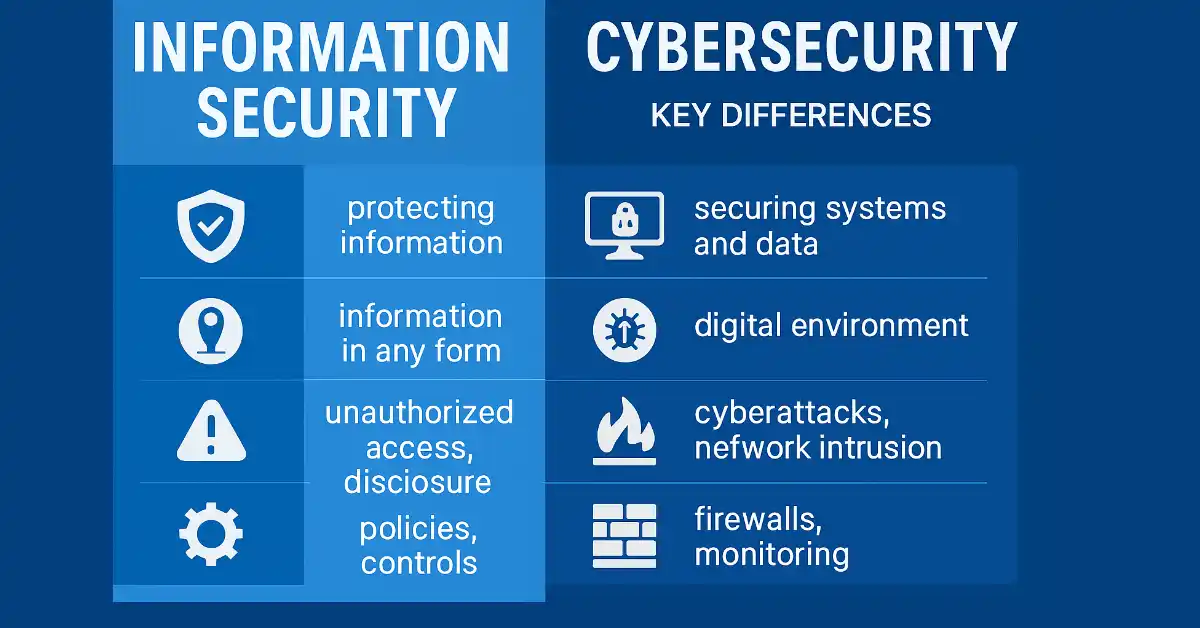
Security policies help define how organizations are expected to protect their systems and data. While these rules often reflect best practices and regulatory requirements, real attackers rarely behave as policies assume they do. They adapt quickly, exploit overlooked weaknesses, and take advantage of gaps between documented controls and real-world behavior.
To better understand this gap, organizations must evaluate their defenses using realistic adversary behavior rather than relying solely on policy assumptions. Examining simulated attack activity across defined phases, ranging from initial access through detection, response, and remediation, provides a practical reference point for assessing security effectiveness. By observing how systems and teams perform under simulated pressure, organizations gain clearer insight into their true security posture, identify meaningful gaps, and inform actionable improvements based on real-world threat behavior.
When Security Policies Are Tested Against Reality
Many organizations trust their security policies without validating how they perform under real conditions. Policies often describe ideal workflows, perfect configurations, and consistent user behavior. Real environments rarely operate that way. Systems change, users make mistakes, and attackers search for the fastest path to impact.
Security teams need to see how controls perform when attackers actively try to bypass them. For instance, adversary simulation allows teams to observe how defenses respond to realistic attack techniques rather than assumed ones. This approach reveals gaps that audits and policy reviews often miss. It also helps teams understand whether alerts trigger correctly and whether response teams act quickly. Testing policies against realistic scenarios turns assumptions into measurable outcomes and supports stronger decision-making.
Overreliance on Compliance Instead of Threat Awareness
Compliance frameworks help organizations establish a security baseline. Many teams treat compliance as proof of effective protection. This mindset creates risk. Attackers do not target organizations based on audit results. They focus on exposed systems, weak credentials, and misconfigured services.
A compliant environment can still contain serious vulnerabilities. Security policies written solely to satisfy regulations may overlook emerging threats and new attack techniques. Teams should treat compliance as a starting point, not a finish line. Threat awareness requires ongoing analysis of how attackers operate today. Organizations that balance compliance with real threat intelligence improve their ability to detect and stop attacks. Policies should evolve based on observed risks, not just regulatory checklists.
Static Policies in a Rapidly Changing Threat Landscape
Cyber threats change faster than most security policies. Many organizations review their policies once a year or less often. During that time, attackers develop new tools, exploit new vulnerabilities, and refine their techniques. Static policies struggle to keep up with this pace. They may reference outdated technologies or ignore modern attack paths such as cloud misconfigurations.
Security teams need policies that adapt to changing conditions. Regular reviews, threat monitoring, and practical testing help keep policies relevant. When policies fail to reflect current risks, teams may focus on the wrong controls. Dynamic environments require flexible guidance that evolves alongside the threat landscape.
Lack of Alignment Between Security Teams and Business Operations
Security policies often assume ideal business processes. Real operations rarely match those assumptions. Employees prioritize productivity and speed. They may bypass controls that slow down their work. IT teams may apply exceptions to keep systems running. These decisions create gaps between policy intent and daily practice.
When security teams do not understand operational realities, enforcing policies becomes difficult. Effective security requires collaboration between technical teams and business leaders. Policies should support business needs while reducing risk. Clear communication helps identify where controls cause friction. Aligning security goals with operational workflows reduces the need for risky workarounds and improves overall resilience.
Limited Visibility Into Attack Paths
Many organizations evaluate security controls in isolation. Firewalls, endpoint tools, and identity systems are often treated as separate layers. Attackers do not operate that way. They move across systems, combine small weaknesses, and look for paths that lead to higher privileges or sensitive data.
Limited visibility into these attack paths prevents teams from understanding how a breach might unfold. Security policies may assume that a single strong control is enough to stop an attack. In practice, attackers exploit gaps between controls. Teams need visibility into how actions in one system affect another. Understanding full attack paths helps teams prioritize fixes and reduce exposure. This visibility also supports better detection and faster response during real incidents.
Human Factors Often Overlooked in Policy Design
Security policies often focus on technical controls and system configurations. Human behavior receives less attention. Employees make mistakes, reuse passwords, and fall for phishing attempts. Administrators may take shortcuts under pressure. Policies that ignore these realities struggle to succeed. When policies demand complex steps, users look for easier alternatives. This increases risk rather than reducing it.
Security teams should design policies that account for how people actually work. Training, clear guidance, and usable controls improve adherence. Policies should support secure behavior without adding unnecessary friction. Addressing human factors helps close gaps that attackers often exploit through social engineering and misuse of access.
Insufficient Testing of Incident Response Assumptions
Incident response plans often look strong on paper. Many teams assume they will detect attacks quickly and respond in a coordinated way. Real incidents expose weaknesses in these assumptions. Alerts may go unnoticed. Escalation paths may remain unclear. Teams may lack the authority to act quickly.
Without regular testing, these issues stay hidden. Security policies should reflect tested response capabilities, not hopeful expectations. Exercises and realistic testing help teams understand response times and communication gaps. They also improve coordination between technical and leadership teams. When response plans reflect real capabilities, organizations reduce damage and recover faster from incidents.
Measuring Policy Effectiveness the Wrong Way
Organizations often measure the success of their security policies through audits and documentation reviews. These methods confirm that policies exist and align with standards. They do not show whether policies reduce risk. Effective measurement focuses on outcomes such as detection speed, response accuracy, and reduced attack impact.
Teams should ask whether controls stop real threats, not just whether they meet requirements. Metrics should connect policy goals to operational results. Regular testing and monitoring provide better insight than static reports. When teams measure what matters, they improve both their security posture and decision-making. This approach helps organizations invest in controls that deliver real protection.
Gaps between security policies and real threats remain common across organizations. These gaps grow when teams rely on assumptions, static guidance, and limited testing. Real attackers expose weaknesses that documents alone cannot address. Organizations need to align policies with real behavior, evolving threats, and tested capabilities. By focusing on realistic evaluation and practical outcomes, security teams strengthen defenses and reduce risk over time.