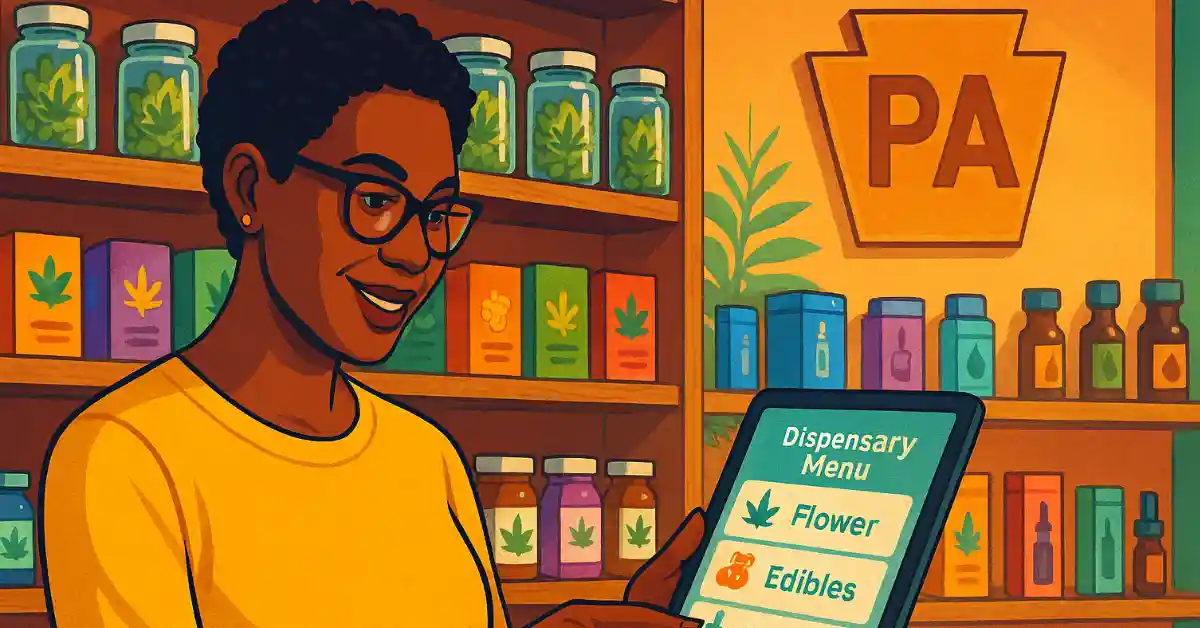
First-time dispensary visits in Pennsylvania can feel unfamiliar and fast-paced. Rows of colorful packages, menus, and labels may seem confusing. Without clear guidance, patients might overlook helpful product options available. Learning how dispensaries work can create a more relaxed experience.
Cannabis dispensaries in Pennsylvania offer structured menus with clear product sections. These menus include formats, strengths, and helpful effect descriptions. Understanding the layout builds trust in the selection process. With practice, browsing becomes efficient and easy to manage.
Know the Structure of the Menu Before Visiting
Dispensary menus follow a structure that helps with easy navigation. Each product is grouped by type, such as flower, edible, capsule, or vape. There are also listings for tinctures, topicals, and concentrates available at most dispensaries in Pennsylvania. Each group includes sub-details about strains, strength, and form.
Menus sometimes appear digitally on large screens or tablets inside. Online access is also available, allowing patients to prepare early. Every digital version offers filters and product descriptions in clear formats. This structure supports focused browsing, especially for those looking for specific effects.
Understand Flower, Edibles, Tinctures, and Vapes
Flower refers to the dried bud form, sometimes chosen for inhalation. It typically includes strain name, THC and CBD content, and effects. Edibles are infused food items with measured cannabis content per serving. Tinctures are liquid drops applied under the tongue for fast use.
Vape products use oil or distillate with active cannabinoids and terpenes. Capsules deliver specific doses and are taken orally like supplements. Concentrates appear in smaller quantities and offer higher potency per use. Each category offers options with different use patterns and timeframes.
Identify Product Labels and Strain Types
Strains fall into three types: indica, sativa, and hybrid. Indica strains sometimes produce calming effects, ideal for relaxing. Sativa strains may feel more energizing and suited for daytime use. Hybrids are blends that combine traits from both categories.
Labels may include terms like “calm,” “uplift,” or “balanced.” These tags reflect common responses reported by patients using those strains. Dispensary menus highlight this information near each product listed. Clear strain type labeling improves the speed of decision-making inside the dispensary in Pennsylvania.
Focus on THC and CBD Potency Levels
THC is the compound linked to psychoactive effects in many products. CBD is a non-intoxicating option that may affect mood or discomfort. Every product on the menu lists these values as percentages or milligrams. Knowing the exact amount helps guide safer choices for new patients.
Low THC levels with higher CBD are usually more tolerable early on. Balanced THC and CBD blends may support various physical or emotional concerns. Potency levels also indicate expected intensity and duration. Dispensary menus present this data to help avoid overuse or confusion.
Use Digital Filters to Shortlist Options
Online dispensary menus allow sorting by category, strain type, or effect. These filters help patients who already know their preferred method. You can also sort by THC percentage, CBD ratio, or price range. Digital filters simplify browsing by removing unrelated items.
Look for the following filters when previewing menus:
- Strain type: indica, sativa, hybrid
- Usage: sleep, focus, calm
- Strength: low, medium, high THC
- Form: flower, edible, capsule
- Price: low to high
Read Product Descriptions for Specific Effects
Every product on the menu includes a short description of its profile. This usually covers the strain, method of use, and estimated onset time. Product descriptions sometimes include expected aroma and flavor notes as well. These details offer extra guidance when effects sound similar.
Reading each entry helps reveal differences between two similar items. For example, two vapes may have equal THC but offer different results. One may support clarity while the other leans toward body relief. Menu descriptions explain these subtle differences for better decisions.
Ask Questions and Take Notes After Each Visit
Patients visiting cannabis dispensaries in Pennsylvania can speak with staff called budtenders. These employees answer questions about products, dosing, and formats. Speaking with them can clarify menu items that feel unclear or unfamiliar. Most are trained to explain features using straightforward terms.
Tracking product reactions at home helps with future visits. Write down product names, usage time, and how the body felt. Keeping this log builds knowledge and helps spot useful patterns. The more records you keep, the easier it becomes to scan menus confidently.
Why Thousands Trust a Patient-Centered Cannabis Platform in Pennsylvania
Patients navigating medical cannabis sometimes want more than basic facts. They need consistent support built around education, access, and compliance. Reliable tools, dispensary insights, and clear product guidance play a key role. These elements help simplify decisions and promote confidence in every visit.With a strong focus on patient needs, some cannabis dispensaries in Pennsylvania go beyond general advice. Visitors gain information tailored to real use, not just lists or definitions. Each section supports clarity, accuracy, and legal peace of mind throughout the process. Those seeking trusted help across every step will find real value here.
FAQs
What are the main types of products found on Pennsylvania dispensary menus?
Pennsylvania dispensary menus typically feature categories like flower (dried buds for inhalation), edibles (infused foods with measured doses), tinctures (liquid drops for sublingual use), vapes (oil-based cartridges), capsules (oral supplements), topicals (creams for skin application), and concentrates (high-potency extracts). Each type includes details on strains, THC/CBD content, and effects to help match user needs.
How can I identify the right strain type when navigating a dispensary menu?
Strains are labeled as indica (relaxing, body-focused for evening use), sativa (energizing, mind-focused for daytime), or hybrid (balanced blend). Menus often use effect descriptors like “calm,” “uplift,” or “balanced” based on user reports. Review product labels for aroma, flavor, and potency to select based on desired outcomes, such as sleep aid or focus enhancement.
Why is understanding THC and CBD potency important for dispensary menu navigation?
THC provides psychoactive effects, while CBD offers non-intoxicating benefits for mood or relief. Potency is shown in percentages or milligrams; beginners should start with low THC/high CBD for tolerance. Balanced ratios suit various concerns, influencing intensity and duration. This knowledge prevents overwhelming experiences and ensures products align with personal health goals.
How do digital filters help in shortlisting options on Pennsylvania dispensary menus?
Online menus allow filtering by strain type (indica, sativa, hybrid), desired effects (sleep, focus, calm), potency levels (low, medium, high), product form (flower, edible, vape), and price range. This narrows down choices quickly, removing irrelevant items and focusing on preferences, making in-person visits more efficient and less intimidating for patients.
What should I do after a dispensary visit to improve future menu navigation?
Keep a personal log noting product names, usage times, dosages, and body reactions. This helps identify patterns, like which strains work best for specific needs. Consult budtenders for clarifications during visits and review online descriptions beforehand. Over time, this builds confidence, refines choices, and ensures compliant, informed decisions in Pennsylvania’s medical cannabis system.
Disclaimer: This article provides general information on navigating dispensary menus in Pennsylvania for educational purposes only. It is not intended as medical, legal, or professional advice. Consult a qualified healthcare provider or legal expert for personalized guidance. Users must be of legal age and comply with Pennsylvania’s medical marijuana laws. The content does not endorse or promote illegal activities.