Healthcare organizations manage complex operations every day. Patient records, appointment schedules, diagnostic reports, and communication systems require constant coordination. Manual processes and outdated systems can slow operations and create administrative burdens for medical staff.
Many institutions adopt IT solutions for healthcare to streamline operations and improve service delivery. Modern digital systems help medical teams manage data, communication, and clinical workflows more effectively. Read this article to gain more knowledge and check these factors that explain how technology improves efficiency in healthcare environments.
Electronic Health Record Systems
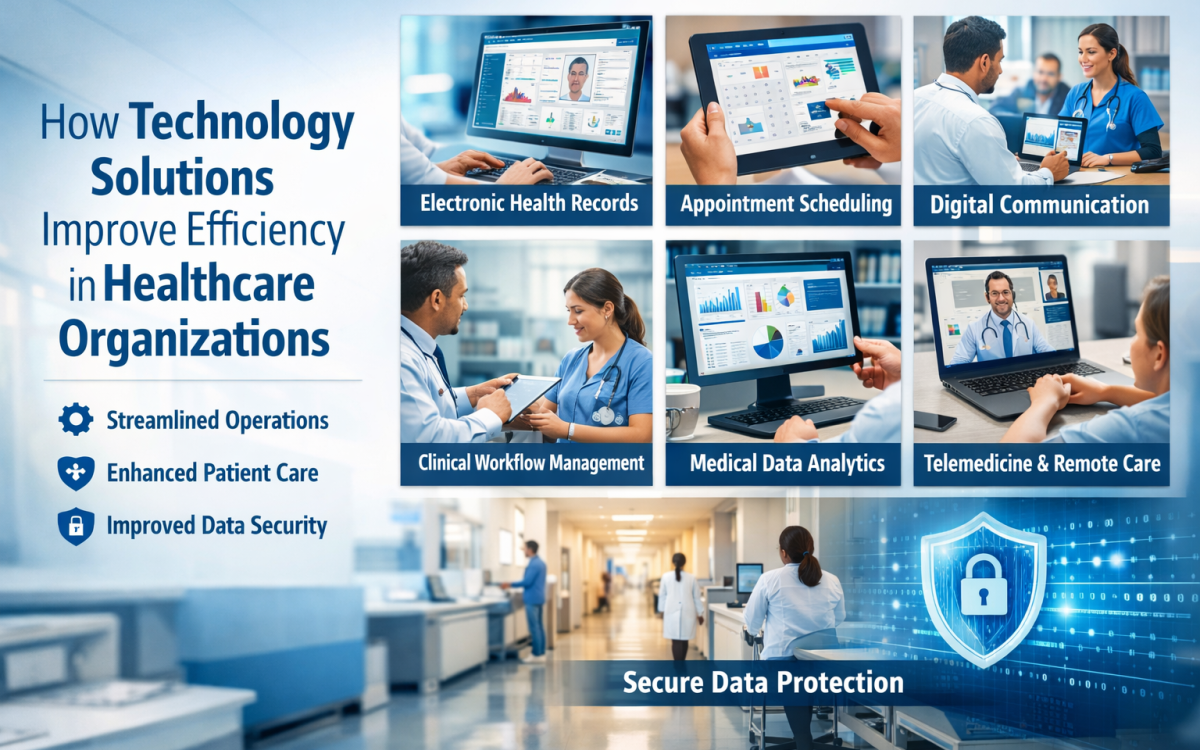
Electronic health record systems help medical professionals access patient information quickly. Digital records replace paper files and allow healthcare teams to review patient histories, medications, and treatment plans from a centralized system. Quick access to accurate information improves coordination between departments. However, secure digital records also reduce the risk of misplaced documents. Organized patient data helps medical staff make faster and more informed decisions.
Appointment Scheduling Systems
Efficient appointment scheduling helps healthcare organizations manage patient flow more effectively. Digital scheduling tools allow administrative staff to arrange consultations and procedures without confusion. Patients also benefit from online booking options that simplify the scheduling process. Therefore, hospitals and clinics maintain better control of appointment calendars. Organized scheduling systems reduce waiting times and improve patient satisfaction.
Digital Communication Platforms
Communication between healthcare professionals plays a critical role in patient care. Digital messaging systems allow doctors, nurses, and administrative teams to exchange information quickly. Clear communication improves coordination during patient treatment and hospital operations. However, secure communication channels ensure that patient information remains protected. Efficient communication tools strengthen collaboration within healthcare teams.
Clinical Workflow Management
Clinical workflows require careful coordination among medical staff. Technology platforms help organize treatment schedules, laboratory processes, and patient monitoring systems. Healthcare organizations that adopt IT solutions for healthcare improve workflow management across departments. Hence, medical teams complete tasks more efficiently and maintain better coordination during patient care activities.
Medical Data Analytics
Healthcare facilities generate large volumes of medical data each day. Data analysis tools help organizations evaluate trends, treatment outcomes, and operational performance. Analytics platforms provide valuable insights that support better decision-making. Therefore, administrators and medical professionals can identify areas that require improvement. Data-driven insights strengthen operational efficiency and healthcare quality.
Remote Care and Telemedicine
Telemedicine technology allows patients to consult healthcare professionals through digital platforms. Remote consultations improve accessibility for individuals who cannot visit medical facilities easily. Healthcare providers use telemedicine systems to extend care beyond physical locations. However, secure digital platforms ensure that patient information remains protected during remote consultations. Telemedicine services enhance healthcare accessibility and efficiency.
Secure Data Protection Systems
Healthcare organizations manage sensitive patient information that requires strong protection. Digital security systems help protect medical records and prevent unauthorized access. Security tools monitor network activity and protect healthcare data from potential threats. So, hospitals and clinics maintain patient trust while protecting confidential information. Strong security frameworks support reliable digital healthcare systems.
Technology plays a vital role in improving efficiency within healthcare organizations. Electronic records, scheduling systems, and communication tools help streamline daily operations. Workflow management platforms and data analytics support better decision-making for healthcare teams. Telemedicine services expand access to care, while security systems protect sensitive patient information. Healthcare organizations that adopt modern technology solutions strengthen operational efficiency and improve the quality of medical services for patients.