Hearing the word “elephantiasis” must have felt like the floor dropped out beneath you. It’s completely understandable to feel shocked, scared, or even a little lost. Fortunately, you are not alone in this moment, and you are not facing it without help. Experts are available to provide everything you need to know about what this diagnosis means, why it happened, and, most importantly, what can be done to help you feel better and live more comfortably. With clear and kind information, you can feel a little less afraid and a little more hopeful. You’ve already taken a brave step by wanting to understand more. That courage matters.
What Elephantiasis Really Is
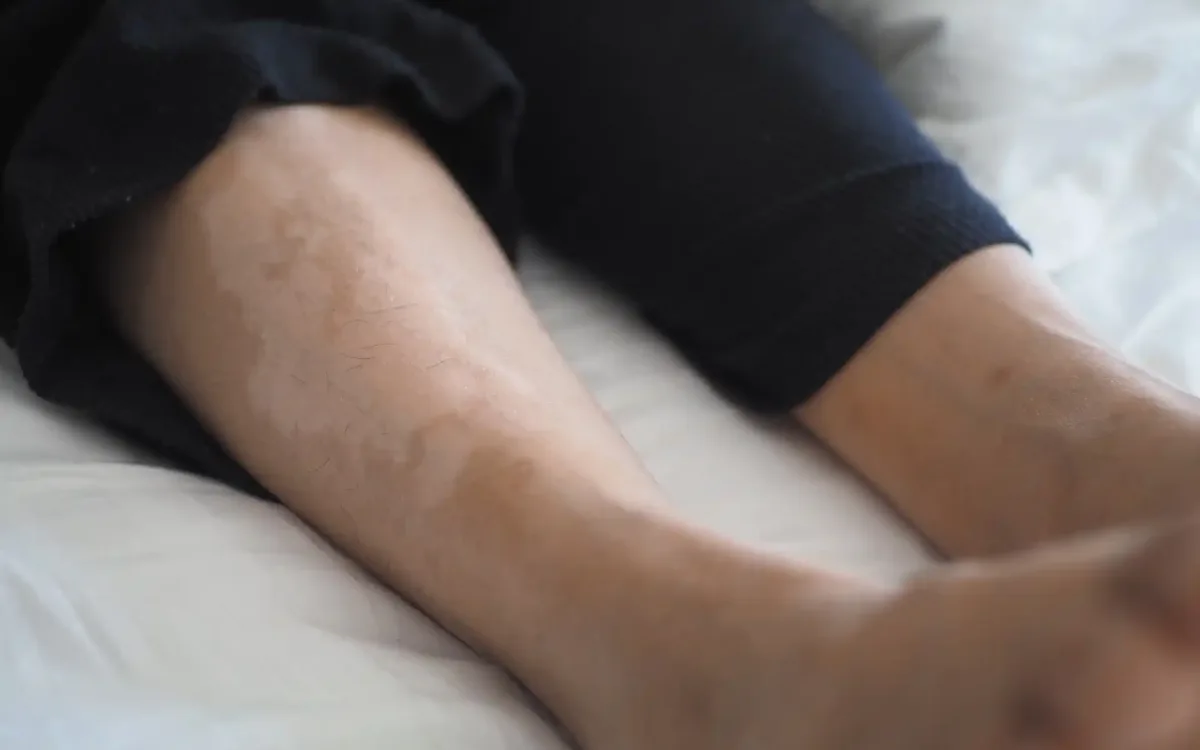
Let’s start with something simple and grounding: elephantiasis is the name for pronounced swelling that occurs when your body’s natural drainage system, the lymphatic system, becomes blocked or damaged. Think of it like a garden hose that’s gotten kinked: the water (in this case, lymph fluid) can’t flow freely anymore, so it collects and causes swelling, sometimes thickening of the skin, and a heavy feeling in the affected area.
The name can sound frightening, but it’s only describing the appearance that can develop over many years if the condition isn’t treated. The truth is, most people who receive care never reach that extreme stage. You’ve been diagnosed now, which means you have the chance to step in early and change the story. That timing gives you real power here. The more you know about elephantiasis causes and treatment, the more control you can gain over your health.
Why This Happened to You
It’s natural to wonder, “Why me?” The most common cause of elephantiasis is infection by tiny parasitic worms transmitted by mosquito bites in certain parts of the world. These worms are very small and quiet; they can live in the body for years without causing obvious trouble. Over time, though, they interfere with the lymph channels, and that slow interference is what leads to swelling.
Please hear this clearly: this is not because of anything you did wrong. Poor hygiene, personal choices, or lack of care do not cause it. It happens to good, kind, hardworking people who simply live or travel in a place where those mosquitoes are found. It’s a matter of geography and chance, not a reflection of your worth or your character.
In some cases, swelling like this can come from other things, repeated skin infections, injury, or medical treatments that affect the lymph nodes, but whatever the exact cause in your case, it is something that happened to you, not something you caused. You are not to blame.
What You Might Be Feeling Right Now
Your body may feel unfamiliar or heavy. The swelling might make walking, wear shoes, or even resting uncomfortable. You might be noticing changes to your skin or worrying about how others will see you. All of those feelings are real and valid. It’s okay to grieve the way things used to feel. It’s okay to feel frustrated or sad some days.
Many people who are diagnosed with this condition go on to rediscover joy, movement, and confidence. The path isn’t always easy, but it is possible, and you don’t have to walk it perfectly. You just have to walk it with support, one gentle step at a time.
How Doctors Help and How You Can Help Yourself
The wonderful news is that treatment today is much better than it was even a decade ago. Doctors have clear, proven ways to help.
If the parasitic worms are still active, there are safe, effective medicines that can kill them. These are usually well tolerated, and your doctor will closely monitor you to ensure you feel supported throughout the process.
For the swelling itself, the part that’s probably weighing on your heart the most there are gentle, practical things that make a real difference:
- Special compression bandages or garments that help move fluid out of the swollen area
- Gentle massage techniques (done by trained therapists or taught to you)
- Simple exercises that encourage lymph flow
- Careful skin care to prevent infections
- Elevating the affected limb when you rest
These aren’t quick fixes, but they are kind, steady steps that add up. Many people notice their legs or arms feel lighter, softer, and easier to move after a few months of consistent care. You don’t have to do everything perfectly; just showing up for yourself, little by little, is enough.
If infections develop in the skin (which can happen when lymph flow is slowed), antibiotics help quickly. If the swelling is advanced, surgical options can sometimes provide significant relief. Your medical team will only suggest what makes sense for you.
You Are Not Alone
One of the hardest parts can be feeling like no one else understands. However, others have walked this road, people who have cried the same tears, felt the same heaviness, and then slowly found their way back to laughter, travel, family, and dreams. Support groups (online and in person), lymphedema therapists, and compassionate doctors are waiting to help carry some of this with you.
You deserve kindness from others and especially from yourself. On the days when you feel discouraged, remind your heart: “I am doing something hard, and I am still here trying. That is strength.”
Holding Onto Hope
Right now, the word “elephantiasis” might feel like it has stolen something from you. However, it does not define the rest of your story. With treatment, patience, and support, many people reduce the swelling, protect their skin, move more comfortably, and reclaim parts of life that felt out of reach.
You are allowed to feel everything you’re feeling. You are also allowed to hope. You are allowed to believe that better days are possible and to let others help you reach them.
You are more than this diagnosis. You are still the same person who loves, laughs, dreams, and matters deeply to the people in your life. That person is still right here. If you ever feel overwhelmed, come back to this truth: You are seen, you are cared for, and you are going to be okay.
FAQs
What causes elephantiasis?
Elephantiasis results mainly from parasitic worms transmitted by mosquito bites in endemic areas, which block the lymphatic system over years, causing fluid buildup and swelling. It’s not due to poor hygiene or personal choices but geography and chance. Other triggers include repeated infections, injuries, or lymph-affecting treatments. Early detection empowers better outcomes.
What are effective treatments for elephantiasis?
Treatments target parasites with safe medications if active, plus swelling reduction via compression bandages, specialized massage, gentle exercises, elevation, and meticulous skin care to prevent infections. Antibiotics handle any skin issues, and surgery may help advanced cases. Consistent, supported efforts often lead to lighter, more mobile limbs within months.
How can I cope emotionally with an elephantiasis diagnosis?
Acknowledge feelings of shock, grief, or frustration as valid; seek support groups, therapists, and compassionate doctors to share the burden. Practice self-kindness, focus on small wins like reduced swelling, and remember you’re more than the diagnosis. Reclaim joy through family, dreams, and gradual confidence-building – hope grows with community and patience.
Is elephantiasis curable, or just manageable?
While not always fully curable if advanced, it’s highly manageable with early intervention. Parasites can be eliminated via drugs, and swelling controlled through therapy and lifestyle. Many reduce symptoms significantly, regaining comfort and mobility. It’s about steady progress, not perfection, turning a challenging condition into a livable one with hope.
What self-care steps help in living with elephantiasis?
Elevate affected limbs during rest, use compression garments daily, perform taught massage techniques, engage in low-impact exercises for lymph flow, and maintain rigorous skin hygiene to avoid infections. Combine with a balanced diet and emotional self-compassion. These gentle habits accumulate, often easing heaviness and boosting well-being over time.
Disclaimer: This article provides general information about elephantiasis for educational purposes only and is not a substitute for professional medical advice, diagnosis, or treatment. Always consult a qualified healthcare provider for personalized guidance regarding your health condition. The content is based on available knowledge as of the publication date and may not reflect the latest medical developments.