BILL Expands Payment Collection for Suppliers
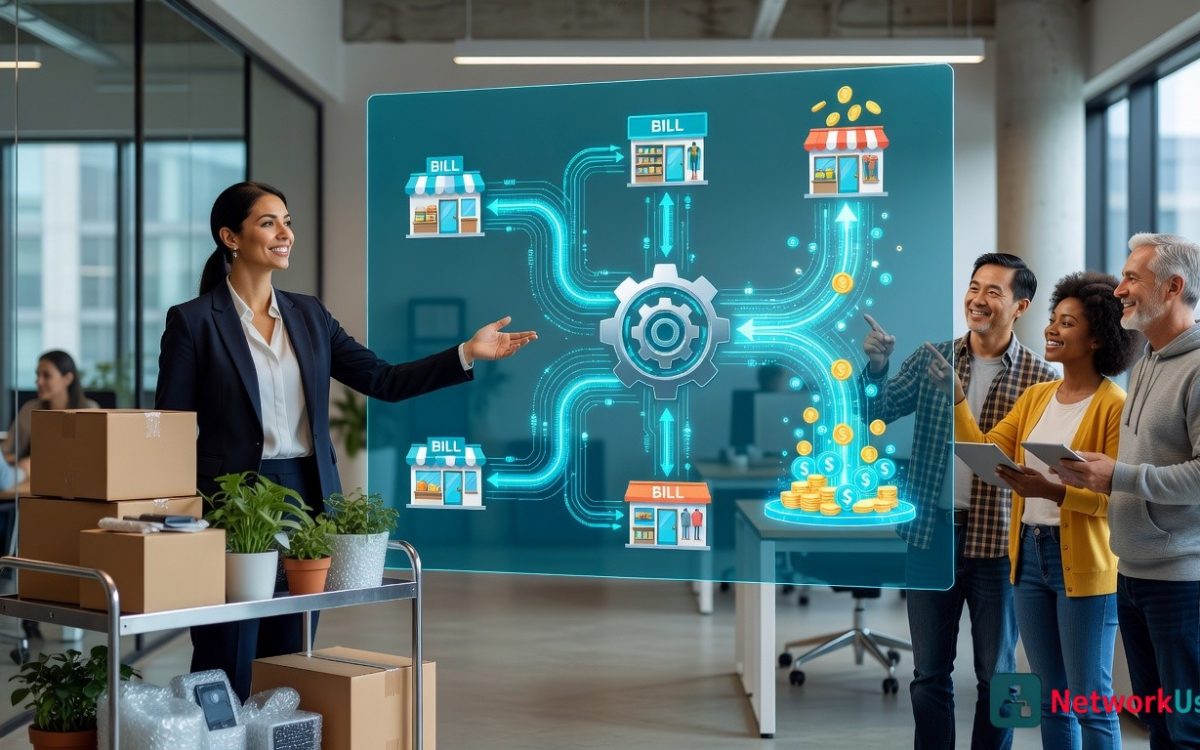
BILL, a financial technology company focused on business payments, has introduced a new capability that enables enterprise suppliers to collect payments from any small and medium-sized business (SMB), regardless of whether the SMB uses the BILL platform. The update, announced this week, aims to broaden access to efficient payment processing for larger suppliers dealing with diverse client bases.
The feature allows suppliers to send invoices and process collections through BILL’s system, even when the receiving SMB lacks an account. This addresses a common challenge in B2B transactions where mismatched platforms can delay payments. BILL, which serves over 400,000 businesses as of last year, positions this as a step toward simplifying accounts receivable for enterprises.
Feature Details
Under the new setup, enterprise suppliers can generate and send payment requests via BILL’s dashboard. SMBs receive these through email or other channels and complete payments using standard methods like ACH transfers or credit cards, without needing to sign up. Once paid, funds deposit directly into the supplier’s BILL account.
This extends BILL’s existing invoicing tools, which previously required both parties to be on the platform for full automation. The company reports that the change reduces collection times by integrating with external payment gateways. No additional fees apply for suppliers already on BILL, though SMBs may incur standard processing charges.
Implementation began rolling out to select enterprise clients this month, with wider availability planned for the coming quarters. BILL’s support team provides guidance on setup, ensuring compliance with payment regulations.
Background and Implications
BILL, founded in 2006 and headquartered in San Jose, California, has grown into a key player in digital payments for SMBs. Its platform handles billions in transactions annually, helping businesses manage expenses, approvals, and reconciliations. This latest development responds to feedback from enterprise users who often invoice SMBs not yet digitized.
The move matters in an economy where SMBs represent 99% of U.S. businesses but face cash flow hurdles. By enabling collections from non-users, BILL helps suppliers maintain steady revenue streams. It also encourages SMBs to explore the platform for future transactions, potentially expanding BILL’s user base.
Industry observers note that such flexibility could reduce reliance on fragmented payment systems. For context, delayed payments cost U.S. businesses an estimated $3 trillion yearly. Tools like this from BILL aim to cut those losses. To secure these transactions, companies should prioritize cybersecurity fundamentals, as digital payments increase fraud risks.
Company Statements
A BILL spokesperson stated that the feature “bridges the gap between enterprise-scale operations and smaller vendors, making payments faster and more reliable.” The company emphasized its focus on user needs, drawing from client surveys conducted over the past year.
Experts in fintech suggest this aligns with broader trends toward inclusive payment networks. One analyst remarked that “extending reach to off-platform users strengthens BILL’s position in the competitive market.”
Future Outlook
BILL plans to add integrations with popular accounting software for non-users in upcoming updates. The company is also monitoring adoption rates to refine the tool. For businesses seeking growth through better financial management, resources on user engagement strategies can complement payment efficiencies.
As more suppliers adopt this, it may influence how SMBs select payment partners. BILL continues to invest in features that support scalable operations, with no specific timeline for international expansion announced.
This development underscores the ongoing shift in B2B finance toward accessible, platform-agnostic solutions. Suppliers stand to benefit from reduced administrative burdens, while SMBs gain convenient payment options without commitment.
(Word count: 612)