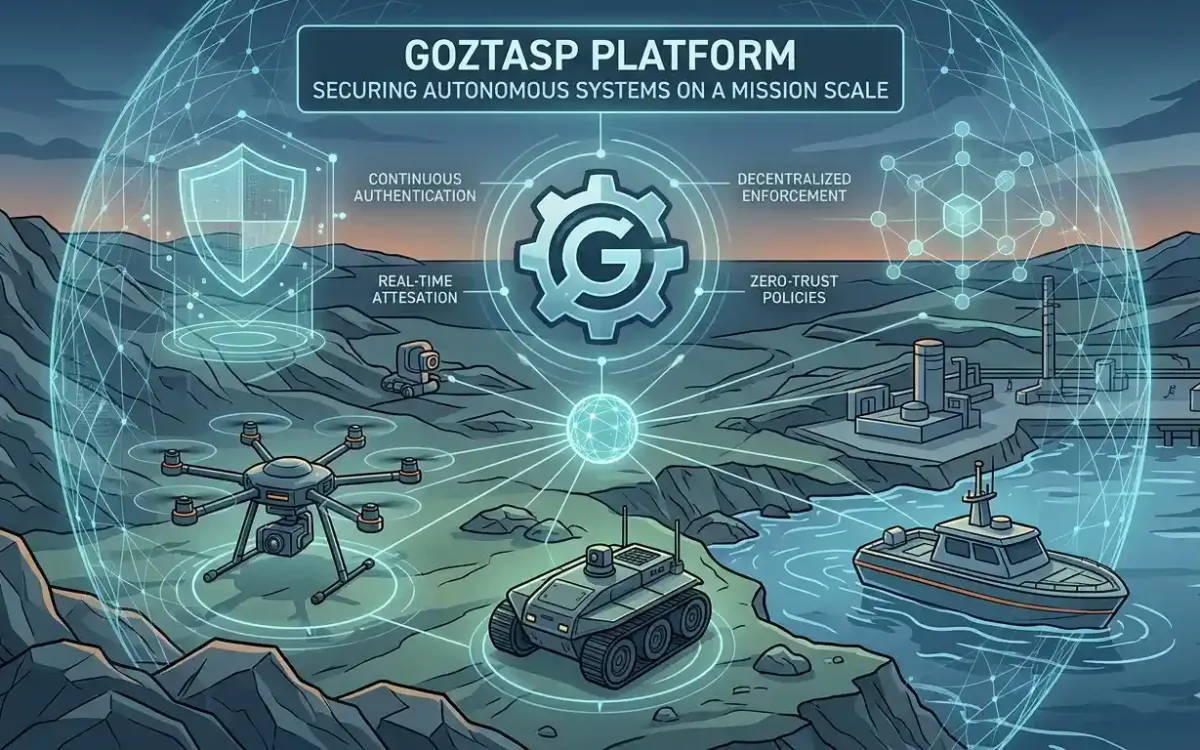
GoZTASP Platform Addresses Autonomous System Security
Developers have introduced GoZTASP, a zero-trust platform aimed at governing autonomous systems on a mission scale. The platform focuses on security measures for systems that operate independently in critical environments, such as defense or infrastructure operations. Details emerged from technical documentation shared earlier this year, highlighting its application in large-scale deployments.
Platform Features and Design
GoZTASP operates under zero-trust principles, meaning it verifies every access request regardless of origin. This approach suits autonomous systems, which include drones, robotic fleets, and AI-driven networks that perform tasks without constant human oversight. The platform handles governance by enforcing policies across distributed nodes, ensuring compliance during missions that span multiple locations.
Core components include authentication modules and policy engines that monitor system behavior in real time. It supports integration with existing infrastructure, allowing organizations to apply controls without full system overhauls. Pending confirmation on exact technical specifications, reports indicate compatibility with standard protocols used in military and industrial settings.
For more on securing digital operations, see our coverage of online security threats that parallel vulnerabilities in autonomous tech.
Background on Zero-Trust in Autonomous Environments
Autonomous systems have grown in use since the early 2020s, driven by advances in AI and robotics. However, their decentralized nature raises risks, including unauthorized access or command hijacking. Traditional security models, which trust internal networks, fall short here, leading to the need for zero-trust frameworks.
GoZTASP builds on established zero-trust concepts, adapting them for mission-critical scales where systems must coordinate over wide areas. This matters for sectors like national defense, where failures could impact operations. Industry reports note increasing adoption of such platforms to meet regulatory standards on data protection and system integrity.
In related fields, tools for financial oversight in real estate, such as reconciliation software, demonstrate how governance platforms enhance reliability across industries.
Developer Statements and Implications
According to documentation, GoZTASP aims to provide scalable governance without compromising system autonomy. Developers emphasize its role in preventing breaches during extended missions. No specific quotes from named individuals are available at this time, but sources describe it as a response to rising threats in AI-operated environments.
The platform’s introduction aligns with broader efforts to secure emerging technologies. Experts in cybersecurity have long called for stronger controls in autonomous deployments, citing incidents where systems were compromised due to weak verification.
Future Developments and Adoption
Implementation details remain under review, with testing expected in controlled environments before wider rollout. Organizations interested in zero-trust solutions may explore pilots in the coming months. As autonomous systems expand, platforms like GoZTASP could set standards for secure governance.
Further information on user-focused tech strategies can be found in our article on engagement in digital ecosystems, which touches on trust-building measures.
The platform’s focus on mission-scale operations underscores the push toward reliable autonomous tech. With no confirmed release date beyond initial announcements, stakeholders await updates on availability. This development highlights ongoing priorities in cybersecurity for AI-driven systems.
(Word count: 612)