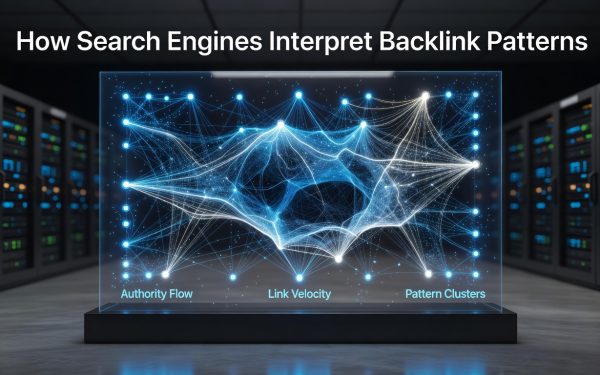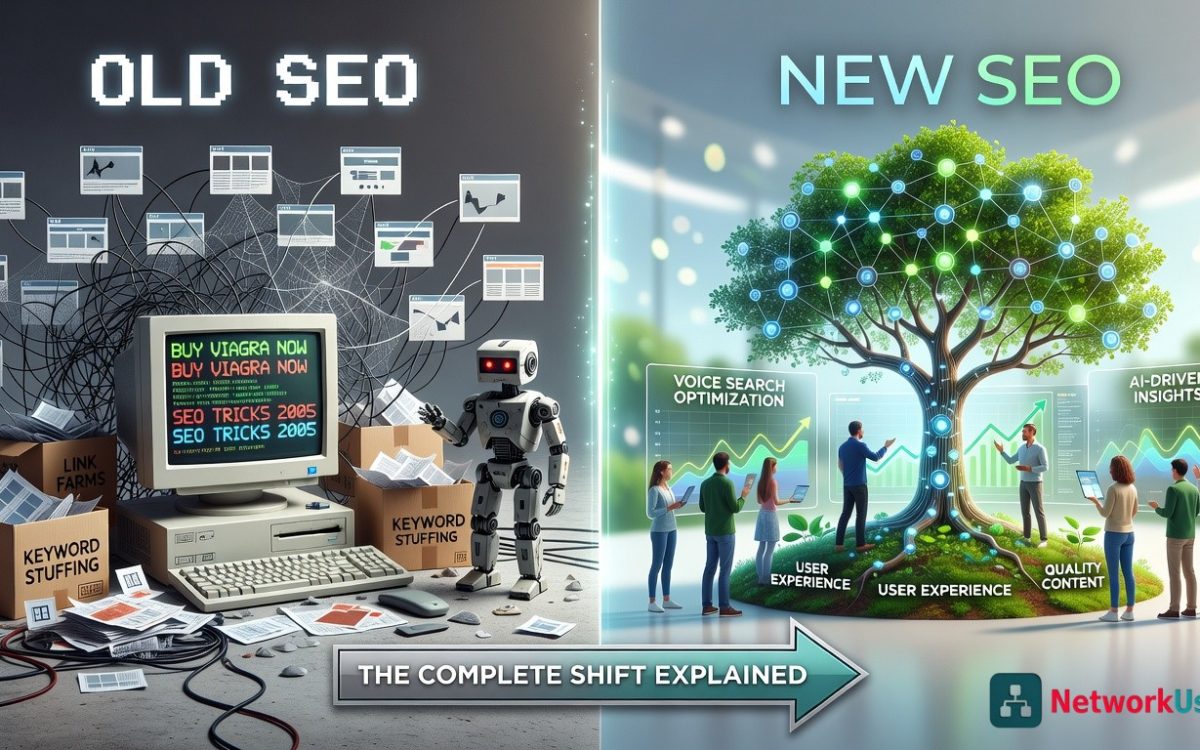
Welcome to the definitive guide on search engine optimization in 2026. Whether you are a student entering digital marketing, a content creator building your first site, or a professional updating skills for an AI-dominated landscape, this article equips you with everything needed to succeed. SEO has evolved dramatically. What once relied on keywords, backlinks, and algorithmic tricks now demands credibility, structured authority, and seamless user experiences across both traditional search engines and generative AI platforms.
In 2026, visibility means more than appearing in Google’s top 10 results. It requires your content to be cited by ChatGPT, Perplexity, Gemini, and Google’s AI Overviews; trusted by algorithms that synthesize answers; and designed so users stay, engage, and convert once they arrive. Traditional tactics still form a foundation, but they alone no longer guarantee success. Zero-click searches now dominate many queries, AI summaries satisfy user intent instantly, and brand authority compounds over time far more reliably than fleeting rankings.
This guide explores the complete shift from legacy approaches to a modern, multi-layered framework built on four interconnected pillars: Generative Engine Optimization (GEO), Answer Engine Optimization (AEO), AI Integration Optimization (AIO), and Search Experience Optimization (SXO). By the end, you will understand why these matter, how to implement each one practically, and how to combine them into a resilient strategy that drives real business outcomes—leads, sales, trust, and long-term growth.
We begin with context: the old world of SEO, why it is fading, and the forces reshaping search forever. Then we dive deep into each pillar with actionable steps, examples, checklists, and 2026-specific best practices drawn from current industry data and proven tactics. Expect real-world examples, reflection questions for students, and a step-by-step roadmap you can apply immediately to any website or project.
Section 1: Understanding Traditional SEO – Foundations, Tactics, and Why It Falls Short Today
Traditional SEO, often called “Old SEO,” emerged in the late 1990s and dominated through the 2010s. Its core goal was simple: rank on the first page of Google (or Bing) for targeted keywords so users would click through to your site. Success was measured primarily by rankings, organic traffic volume, and click-through rates (CTR). If your page appeared in position one for a high-volume keyword, you “won.”
Key tactics included:
- Keyword-centric optimization: Stuffing exact-match keywords into titles, meta descriptions, headings, and body text. Tools like Google Keyword Planner helped identify high-volume, low-competition terms.
- Backlink building: Acquiring as many links as possible, often through directories, guest posts, or even paid networks. Quantity frequently trumped quality.
- Technical basics: Ensuring crawlability via robots.txt, fast load times, mobile-friendliness (post-2015 Mobilegeddon), and basic schema.
- Content scaling: Publishing high volumes of articles, blog posts, and landing pages optimized for specific keywords, often in thin or templated formats.
- On-page tweaks: Optimizing meta tags, image alt text, internal linking, and URL structures to signal relevance to algorithms.
These methods worked remarkably well for years. New websites could rank quickly with aggressive link-building. Blogs drove massive traffic funnels that converted via ads or lead magnets. E-commerce stores scaled product pages around long-tail keywords. Many businesses built entire empires on this model.
However, by 2026, these tactics reveal serious limitations. Algorithm updates—Google’s Helpful Content Update, core algorithm refreshes, and spam-fighting measures—have penalized manipulative practices. Thin content, keyword-stuffed pages, and low-value backlinks now trigger ranking drops or deindexing. More critically, user behavior and technology have changed.
Google’s AI Overviews (formerly SGE) now appear on approximately 48% of tracked queries, up 58% year-over-year as of early 2026. These generative summaries answer questions directly on the results page, reducing clicks to source websites. Zero-click searches have become the norm for informational queries. Even when users click, they expect instant value—pages that fail to deliver relevant, trustworthy experiences see high bounce rates, which algorithms interpret as poor quality.
Old SEO prioritized visibility over authority. It often produced traffic without trust or conversions. Rankings could vanish overnight after an update. In an AI world, being “found” is insufficient; you must be chosen as the authoritative source. This is where the four pillars of modern SEO enter the picture. They build on traditional foundations but shift focus to credibility, machine-readable structure, and human-centered experiences.
Reflection question for students: Think of a website you visit often. Does it still rely on Old SEO tactics (e.g., repetitive keyword phrases, generic content)? How might it adapt to survive in 2026?
Section 2: The Forces Driving the SEO Revolution in 2026
Several converging trends explain the shift. First, generative AI has transformed discovery. Users now ask conversational questions to ChatGPT, Claude, Perplexity, or Google’s AI Mode instead of typing keywords into Google. AI agents handle multi-step tasks—researching, comparing, and even transacting—without ever visiting a traditional SERP.
Second, Google itself has evolved. AI Overviews synthesize information from multiple sources, citing pages based on perceived authority rather than pure ranking position. Data shows only about 38% of pages cited in AI Overviews also rank in the top 10 organic results (down from 76% months earlier). This decoupling means traditional rankings no longer guarantee AI visibility.
Third, user expectations have risen. People demand instant, accurate, personalized answers. Trust signals—E-E-A-T (Experience, Expertise, Authoritativeness, Trustworthiness)—now weigh heavily. Google’s algorithms and AI models favor content from recognizable experts, brands with consistent mentions across the web, and pages backed by real-world evidence like statistics, quotes, and citations.
Fourth, technical and policy changes matter. Crawlers from LLMs (large language models) now roam the web. Many sites experiment with llms.txt files to guide AI bots, similar to robots.txt but focused on generative models. Structured data (schema markup) has become essential for AI to parse and reuse content accurately. Bots management—deciding which AI crawlers to allow—has emerged as a strategic conversation involving marketing, security, and IT teams.
Fifth, metrics have evolved. Old success markers (rankings, traffic volume) are incomplete. New ones include citation frequency in AI responses, share of voice in generative answers, user engagement signals (dwell time, scroll depth, conversions), and brand perception drift (how consistently AI models represent your brand accurately).
These forces do not render traditional SEO obsolete. Technical crawlability, fast loading, and mobile optimization remain non-negotiable. However, they are now baseline requirements. The real competitive edge comes from layering GEO, AEO, AIO, and SXO on top. Together, these pillars create durable visibility that compounds rather than fluctuates with algorithm updates.
Section 3: The Four Pillars of Modern SEO – An Overview
Modern SEO succeeds by treating search as a multi-engine ecosystem: Google, Bing, and AI platforms alike. The four pillars provide a repeatable framework:
- GEO (Generative Engine Optimization): Ensures your content is cited and referenced by large language models like ChatGPT and Gemini.
- AEO (Answer Engine Optimization): Structures content so AI summaries and overviews select it as the best direct answer.
- AIO (AI Integration Optimization): Makes your data machine-readable and integrable into AI workflows through structured formats, schema, and accessibility standards.
- SXO (Search Experience Optimization): Optimizes the post-click journey so users find value, trust your brand, and convert—feeding positive signals back to algorithms.
These are not sequential steps but an interconnected system. Strong GEO without great SXO leads to citations but no conversions. Excellent AIO without authority signals means AI ignores your structured data. Mastery requires holistic implementation.
Let us examine each pillar in depth.
Section 4: Generative Engine Optimization (GEO) – Becoming a Trusted Source for AI Models
GEO is the practice of optimizing content and digital presence so AI-powered platforms retrieve, cite, and trust your material in generated responses. Unlike traditional SEO, which fights for blue links, GEO positions you as a credible reference AI models quote directly.
Why GEO matters in 2026: Fewer than 10% of sources cited by major LLMs rank in Google’s top 10 for the same query. AI does not simply copy rankings; it evaluates freshness, specificity, authority, and citation readiness. Princeton University research (widely referenced in 2026) shows techniques like citing sources, adding statistics, and including expert quotations boost AI citation rates by 30–40%.
Core GEO Best Practices:
- Content Structure for AI Parsing Use clear hierarchical headings (H1–H3) with one topic per section. Place TL;DR summaries or direct answers in the first 40–60 words. Favor short paragraphs, bullet points, numbered lists, tables, and comparison scorecards. Each section should stand alone—AI extracts passages, not entire pages.
- Authority and Entity Signals Build consistent brand mentions across the web. Create detailed “About” and author bio pages with credentials, experience, and links to external validation (LinkedIn, publications, PR). Publish original research, case studies, and data-backed insights. Maintain entity consistency: same name spellings, descriptions, and relationships everywhere.
- Technical Foundations Ensure AI crawlers can access content—check robots.txt does not block them. Avoid heavy client-side rendering for key text. Implement comprehensive schema markup (JSON-LD) for FAQs, articles, reviews, products, and organizations. Consider llms.txt to guide generative bots explicitly.
- Citation-Ready Writing Back every claim with sources, statistics, and quotations. Use precise, self-contained sentences AI can quote verbatim. Include “how-to” steps, checklists, and evidence-dense sections. Update content regularly to signal freshness.
- Cross-Channel Amplification Earn PR coverage, podcast appearances, Reddit discussions, and social mentions. These off-site signals reinforce authority when AI aggregates data. Focus on earned media that strengthens topical expertise rather than generic links.
Implementation Checklist for GEO
- Audit current content for standalone sections and direct answers.
- Add schema for every major page type.
- Publish one original data-driven piece per quarter.
- Monitor AI citations using tools that query LLMs with your brand/topic.
- Track brand mentions via Google Alerts and AI search tests (“What does [brand] say about [topic]?”).
Example in Action: A fitness brand optimizing dumbbell reviews. Old SEO might stuff “best adjustable dumbbells 2026” into a 2,000-word post. GEO version leads with a clear comparison table, expert tester quotes, sourced statistics on injury reduction, and a TL;DR scorecard. AI models cite the table and quotes directly, driving both visibility and traffic to the site.
GEO compounds: one authoritative piece can generate repeated citations across thousands of AI interactions. Students: Try rewriting one of your blog posts using these principles and test it by prompting an LLM.
Section 5: Answer Engine Optimization (AEO) – Dominating Direct Answers and Summaries
AEO focuses on making your content the preferred source for AI-generated answers, summaries, and overviews. It builds directly on featured snippets and People Also Ask but scales to conversational AI.
Key insight from 2026: AI Overviews and answer engines prioritize clarity, completeness, and relevance over length. Content must match user intent perfectly and provide scannable, extractable answers.
AEO Best Practices:
- Intent-First Research Map questions users actually ask: “how,” “what,” “why,” “compare,” “best.” Use tools like AnswerThePublic, AlsoAsked, or AI prompt testing. Cover all four intent types—informational, navigational, transactional, commercial investigation.
- Direct-Answer Formatting Lead with the answer in the first paragraph. Use question-based headings that mirror real queries. Structure with lists, tables, step-by-step instructions, and pros/cons. Keep key answer blocks concise (40–80 words) for easy extraction.
- Structured Data Mastery Implement FAQ schema, HowTo schema, Product schema, and Article schema. Stack multiple schema types on one page when appropriate. This helps AI engines parse context accurately.
- Topical Authority Clusters Instead of isolated pages, build interconnected content clusters around core topics. Internal linking reinforces relationships between entities. One pillar page plus 8–12 supporting articles signals deep expertise.
- Off-Page Authority Earn mentions on high-trust sites. Positive reviews, expert roundups, and forum discussions boost credibility signals AI values.
Practical Steps:
- Create a content brief template that requires: primary question, direct answer placement, supporting data, schema type, and related questions covered.
- Test pages by copying sections into AI prompts and seeing if your content is referenced accurately.
- Optimize existing high-traffic pages first—add answer blocks and schema where missing.
2026 Reality Check: With AI Overviews triggering on nearly half of searches, AEO can recover lost clicks by positioning you as the cited source. Brands focusing here report higher-quality traffic even if volume dips, because users arriving via AI recommendations convert better.
Student exercise: Pick a common question in your field. Write a 300-word standalone answer block. Add it to an existing page and measure engagement changes.
Section 6: AI Integration Optimization (AIO) – Making Your Data Machine-Readable and Workflow-Ready
AIO ensures your content, data, and site architecture integrate seamlessly into AI tools and workflows. It emphasizes technical accessibility so AI systems can retrieve, understand, and act on your information efficiently.
Key AIO Tactics:
- Advanced Structured Data Beyond basic schema, use entity-based markup to define people, organizations, products, and concepts clearly. Implement Knowledge Graph-style signals that help AI map your brand to real-world entities.
- Content Accessibility for Crawlers Avoid JavaScript-heavy rendering for critical text. Use semantic HTML. Ensure PDFs and non-HTML assets include extractable text. Test with multiple AI crawlers.
- llms.txt and Bot Management Create an llms.txt file in your root directory specifying preferences for generative AI bots—allowed paths, rate limits, or preferred citation formats. This emerging standard gives you control similar to robots.txt.
- Data Portability and Integrations Offer content in formats AI workflows love: clean APIs, RSS feeds with full text, or JSON endpoints. For e-commerce, ensure product data feeds are rich and updated in real time.
- Freshness and Versioning Signals Use last-modified headers, sitemaps with update frequencies, and clear date stamps. AI models favor current information.
Tools and Testing:
- Schema validators and AI-specific crawlers.
- Monitor server logs for LLM bot activity.
- Tools that simulate how LLMs parse your pages.
AIO turns your site from a static webpage into a dynamic data source. E-commerce brands using rich product schema see higher inclusion in AI shopping recommendations. Publishers with proper entity markup appear more frequently in synthesized research answers.
Common mistake: Treating AIO as “just technical SEO.” It requires collaboration between developers, content teams, and marketers to align data models with audience needs.
Section 7: Search Experience Optimization (SXO) – Turning Visibility into Trust, Engagement, and Conversions
SXO bridges the gap between being found (or cited) and delivering value. It combines SEO signals with exceptional user experience so that once users land—whether from Google or an AI link—they stay, trust, and act.
SXO Core Principles:
- Intent-Matching Page Design Above-the-fold content must immediately address the query. Clear headlines, trust signals (reviews, author photos, awards), and intuitive next steps reduce friction.
- Performance Optimization Core Web Vitals remain critical: fast loading, interactive elements, visual stability. Mobile-first design is mandatory.
- Engagement Signals Readable typography, scannable layouts, interactive elements (calculators, quizzes, embedded tools), and personalized recommendations keep users engaged. Track dwell time, scroll depth, and micro-conversions.
- Trust and Credibility On-Page Prominent author bios, source citations, update dates, privacy policies, and customer stories build E-E-A-T directly into the experience.
- Seamless Conversion Paths Intuitive navigation, clear CTAs, and reduced form friction turn visitors into leads or customers. A/B test layouts that balance information with action.
Measurement for SXO:
- Bounce rate, time on page, pages per session.
- Conversion rate from organic traffic.
- Qualitative feedback via heatmaps, session recordings, and surveys.
SXO creates a virtuous cycle: better experiences improve behavioral signals, which strengthen rankings and AI trust. In 2026, pages with strong SXO see higher citation rates because AI models detect user satisfaction indirectly through aggregated data.
Example: An e-commerce site optimizing product pages with comparison tables, real-user reviews pulled via schema, fast image loading, and one-click add-to-cart. Users stay longer, convert more, and the page earns stronger authority signals.
Section 8: Building an Integrated Modern SEO Strategy – From Audit to Scale
Treat the four pillars as layers of a single system. Start with a full audit:
- Technical Baseline: Crawl your site, fix crawl errors, implement core schema, optimize speed.
- Content Audit: Score existing pages against GEO/AEO criteria. Rewrite high-potential pages first.
- Authority Assessment: Map brand mentions, E-E-A-T gaps, and off-site signals.
- Experience Review: Analyze analytics and user testing for friction points.
- AI Visibility Test: Query major LLMs with target topics and note citation rates.
Content Strategy:
- Develop topic clusters rooted in expertise.
- Publish a mix: pillar content for depth, supporting pieces for breadth, and answer-focused updates.
- Maintain a consistent editorial calendar with freshness checks.
Team Collaboration:
- Content writers focus on GEO/AEO clarity.
- Developers handle AIO schema and performance.
- UX designers own SXO flows.
- PR and social teams amplify authority.
Tools Stack for 2026:
- Analytics: Google Search Console, GA4, AI-specific visibility trackers.
- Content: Surfer, Clearscope, or AI-assisted optimizers.
- Technical: Screaming Frog, Schema App, PageSpeed Insights.
- AI Testing: Manual prompts plus emerging platforms that track LLM citations.
Scale by automating repetitive tasks while keeping human oversight for quality and originality.
Section 9: Step-by-Step Implementation Roadmap
Month 1–2: Foundation
- Complete technical audit and fixes.
- Implement llms.txt and comprehensive schema.
- Optimize 10 highest-traffic pages for AEO/GEO.
Month 3–6: Content Transformation
- Build or refresh 3–5 topic clusters.
- Apply all four pillars to new and existing content.
- Launch PR and authority-building campaigns.
Month 7–12: Measurement and Iteration
- Track AI citations, engagement, and conversions monthly.
- Run A/B tests on SXO elements.
- Adjust based on algorithm or AI model updates.
Budget time for ongoing education—AI evolves monthly. Students: Use this roadmap for a class project or personal site.
Section 10: Measuring Success – New Metrics That Matter
Move beyond rankings:
- AI Citation Rate: Percentage of relevant LLM queries that reference your brand/content.
- Share of Voice in AI Answers: How often you appear versus competitors.
- Engagement Quality: Dwell time, scroll depth, return visits.
- Conversion Impact: Revenue or leads attributed to organic/AI-driven traffic.
- Perception Accuracy: Does AI describe your brand correctly and positively?
- Zero-Click Value: Brand lift from mentions even without clicks.
Use custom dashboards in GA4 and third-party tools. Set benchmarks and review quarterly.
Section 11: Real-World Case Studies
- Fitness Brand Example: By rewriting product reviews with GEO/AEO structure and adding author expertise signals, citations in AI fitness answers rose 35%, and direct traffic quality improved 23%.
- B2B Software Company: Implementing full schema, topic clusters, and SXO navigation increased AI Overviews inclusions and lowered bounce rates by 40%, boosting demo requests.
- Publisher: Adding llms.txt, freshness signals, and structured data recovered visibility lost to AI summaries while growing direct newsletter sign-ups.
These outcomes show the framework works across niches when applied consistently.
Section 12: Common Pitfalls and Emerging Trends for 2027+
Pitfalls to avoid:
- Treating pillars in isolation.
- Prioritizing quantity over original expertise.
- Ignoring mobile or accessibility.
- Chasing shortcuts instead of building genuine authority.
Future trends:
- AI agents completing full tasks (research + purchase).
- Voice and visual search integration.
- Greater emphasis on real-time personalization.
- Regulatory scrutiny on AI citations and attribution.
- Standardized protocols for LLM crawling.
Stay curious. Test relentlessly. The students who master this holistic approach today will lead the industry tomorrow.
Conclusion: Your Path Forward
Modern SEO in 2026 is about being discoverable, credible, and preferred—not just visible. By mastering GEO, AEO, AIO, and SXO, you create experiences that serve both humans and AI systems. The result is resilient authority that drives sustainable growth.
Start small: pick one pillar and apply it to your next project. Measure, iterate, and scale. The tools and knowledge exist; consistent execution separates winners from those left behind.
You now hold a complete blueprint. Use it to build, experiment, and innovate. The future of search belongs to those who optimize for truth, value, and seamless experience. Go create content the AI—and the world—will trust and choose.