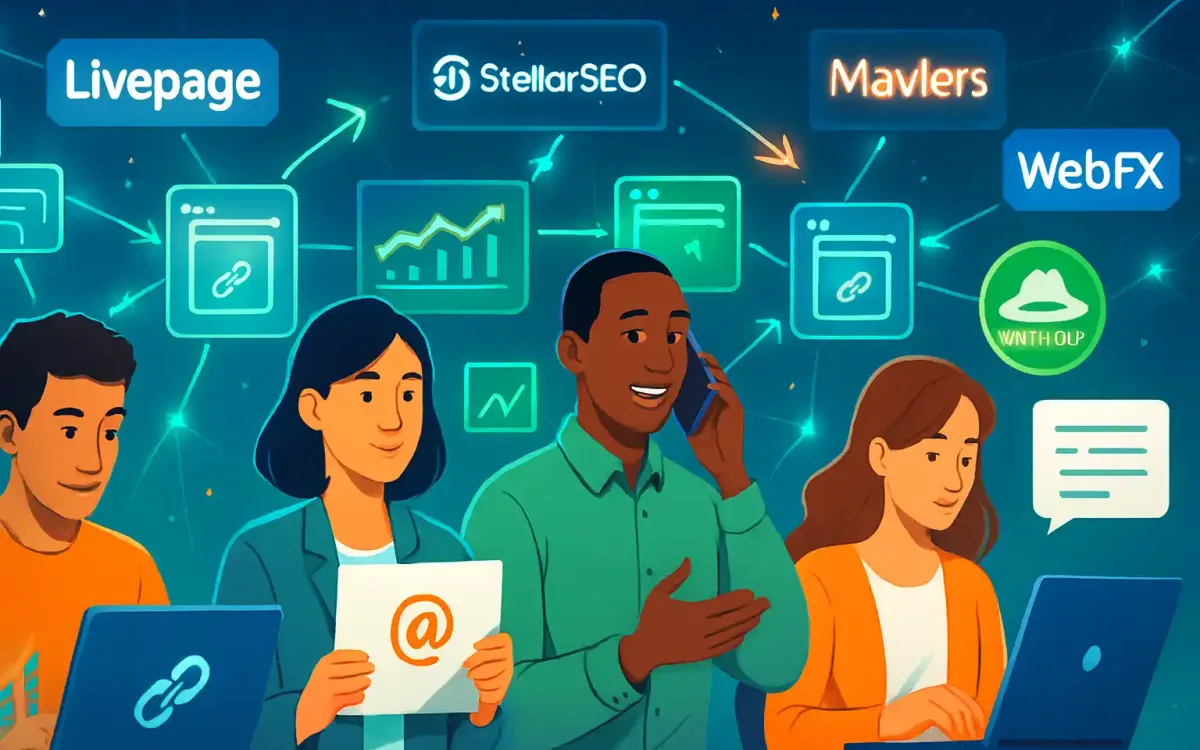
Link building has gotten pickier. Editors want real value, search engines watch patterns, and buyers want proof that a link did more than look pretty in a report. That is why outreach is back in the spotlight: it is slower than bulk placements, but it tends to hold up better over time.
For teams comparing vendors, picking the right partner matters because outreach link-building services sit at the crossroads of content, relationships, and risk management, so a “cheap and fast” promise often turns expensive later.
How to Choose the Best Partner
A good outreach partner should feel less like a broker and more like a steady guide who knows where your links belong. To ensure you get a nice fit for your business, check the following criteria first:
- Relevance: A partner should not be afraid to say “no” when a site is a bad fit.
- Editorial standards: Content that reads like it belongs, with a sensible link placement.
- Clear reporting: A simple view of what went live, when, and why it was chosen.
- Consistency: Research, outreach, follow-ups, and quality checks should be done carefully and consistently.
- Risk control: A focus on white hat link building so the links do not get flagged by Google.
Moreover, a vendor who can explain trade-offs in plain English is easier to trust, since even a smart link-building strategy can miss if the niche is too tight, the timing is wrong, or the content angle doesn’t land.
The Top 5 Outreach Link-Building Companies in 2026
The five picks below cover different budgets and working styles, but they share one thing: they treat outreach as a process, not a lottery ticket. These outreach link-building companies range from boutique teams to large agencies, so the right choice depends on how much control and support a team wants.
Livepage
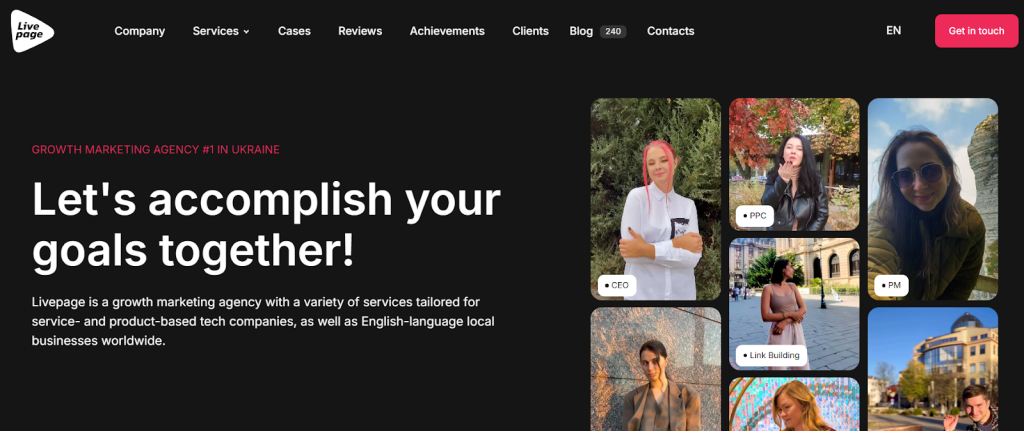
Some vendors start with a list of sites and try to force a fit. Livepage flips that order by starting with the business goals and the pages that need support, then building a campaign around that direction. That approach matters because outreach works best when it has a clear reason to exist, and you can check their case studies to see how that planning translates into real placements.
As an outreach link-building company, they emphasize full-cycle work that includes strategy, research, and writing so placements feel natural on the host site. Livepage also prioritizes ethical outreach, avoiding buying links or publishing on irrelevant sites, and focuses on earning placements through manual outreach and relationships.
What’s also great is that reporting is not treated like an afterthought. The team provides reports that include link counts and donor-site authority signals, notes on how the work is affecting rankings, and even offers link restoration if a placement is removed within the first six months. Therefore, it is a better fit for teams that want steady progress and fewer surprises.
LinkDoctor
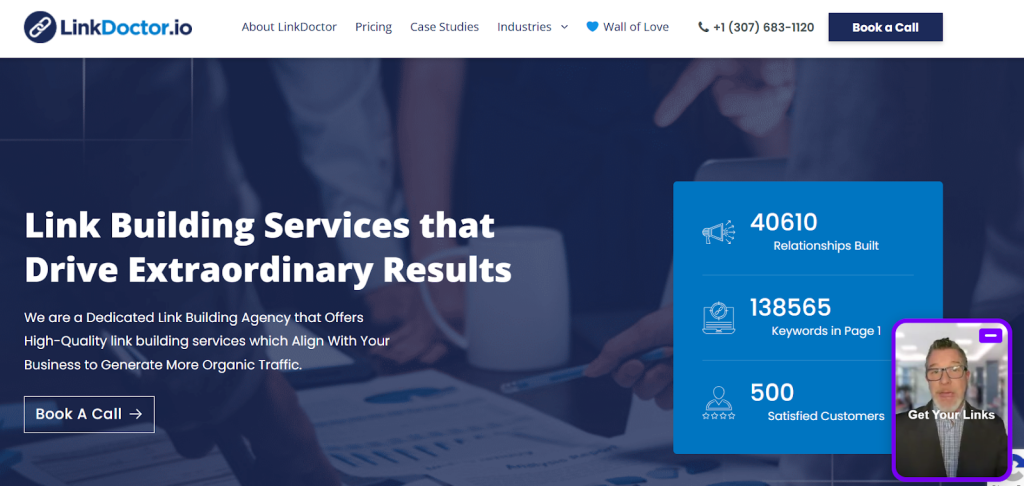
LinkDoctor leans into clarity and speed of communication, which sounds basic until a campaign hits its first snag. Their materials highlight founder-level access during communication and a focus on quality over quantity, which tends to reduce the “why is this link here?” feeling that can creep into rushed outreach.
This outreach link-building service is also built to support agencies, not only direct brands, with white-label packages that include strategy, execution, and progress reporting for each client. That is useful when an in-house team wants to keep client-facing control while handing off the heavy lifting.
For teams that need tangible proof, their public examples point to wins like increases in organic keywords and large traffic lifts tied to campaign work. However, the bigger signal is the repeatable process and steady reporting, which makes it easier to scale without losing track of what is live.
Stellar SEO
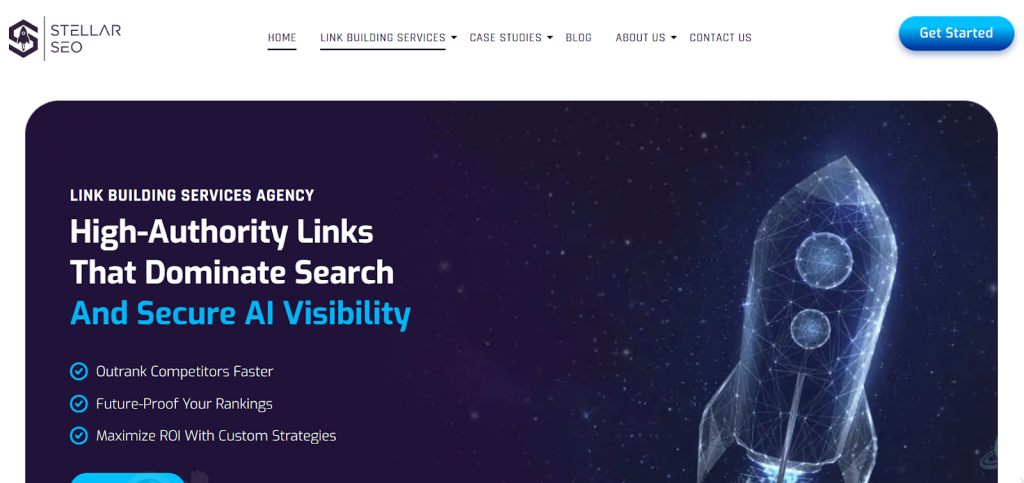
Stellar SEO is a good pick when outreach needs to be methodical and heavily researched. The company offers multiple engagement styles, including pay-per-link options, custom outreach, and white-label campaigns, which helps agencies and brands pick a payment model that fits their planning.
What stands out is the documented, manual process. Their outline starts with business goals, then moves into competitor link research to spot gaps, and finishes with a custom plan rather than a fixed package. They also highlight transparent reporting and ongoing adjustments as search changes, which keeps the campaign from going stale.
If case studies matter, the site shares detailed campaign examples with link counts and traffic changes over time. That extra detail helps set realistic expectations, because it shows what “good” looks like across months, not days.
Mavlers
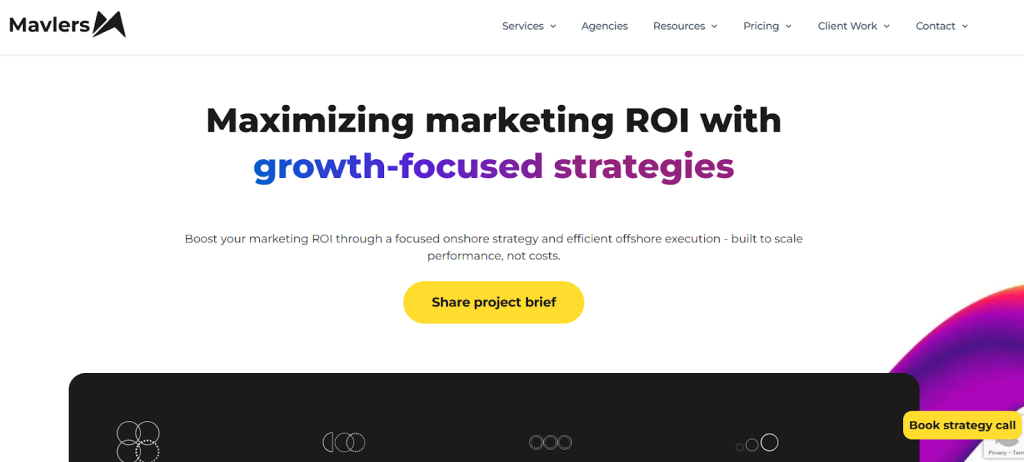
Mavlers positions link building as a mix of smart targeting, consistent execution, and a modern tool stack. A free audit is positioned as the first step, which is useful when a team wants an honest snapshot before paying for placements.
On the credibility side, the company highlights third-party review volume and ratings, along with link-building-specific scale markers. The page lists 20K+ links built, 20+ link-building specialists, and a 95% retention rate, which suggests they have enough reps to run ongoing campaigns without reinventing the wheel each month.
Tooling is part of their pitch, too, with named platforms for outreach and research. Therefore, Mavlers can work well for brands that like structured production, steady pace, and dashboards that stay readable for non-SEO stakeholders.
WebFX
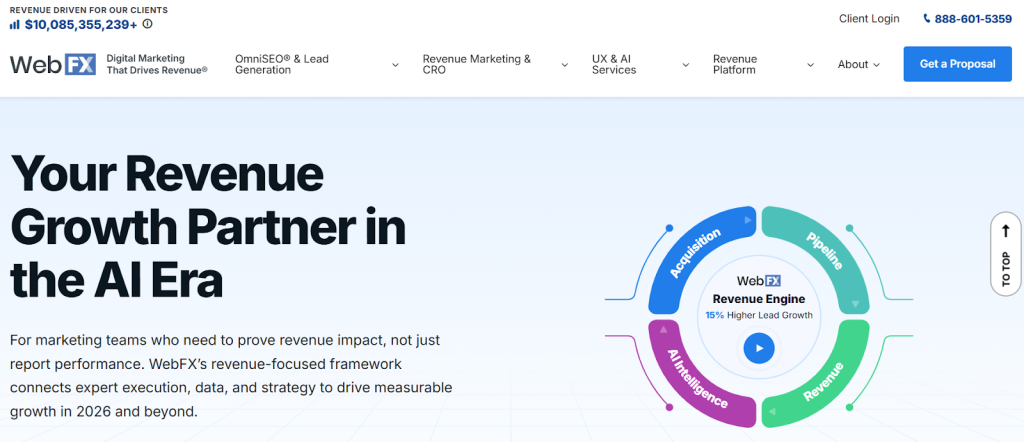
WebFX sits at the “big agency” end of the spectrum, which can be a plus when link building needs to connect to broader marketing work. Their site spotlights a long operating history, a large body of third-party reviews, and client revenue impact, so the promise is not just links but business tracking tied to marketing activity.
They also push their in-house platform, RevenueCloudFX, as a way to connect marketing activity to revenue and monitor visibility, including signals tied to AI search. That is a different angle from boutique outreach shops, and it can appeal to teams that report up to finance or leadership and need clean attribution stories.
It is also a good reminder that link building does not live in a bubble. When budgets are shaped by wider shifts in search advertising and performance goals, having one partner that can connect the dots can reduce internal back-and-forth.
Conclusion
In 2026, you can forget about finding a partner for link building by chasing the biggest numbers. Instead, it pays off to search for a company with a process that can survive scrutiny. That is, you need to look for a partner who can deliver on relevance, content quality, and clear reporting because they keep links from turning into liabilities.Stellar SEO suits teams that want structured outreach with lots of visibility into the work, while LinkDoctor is attractive for agencies that need white-label support.
Mavlers works well for steady production and tooling, and WebFX makes sense when link building needs to plug into a wider marketing plan. But if you want the best link-building outreach service overall, Livepage’s approach is relationship-driven and editorial, with careful vetting of sites, strong content support, and reporting that doesn’t hide behind vague metrics.