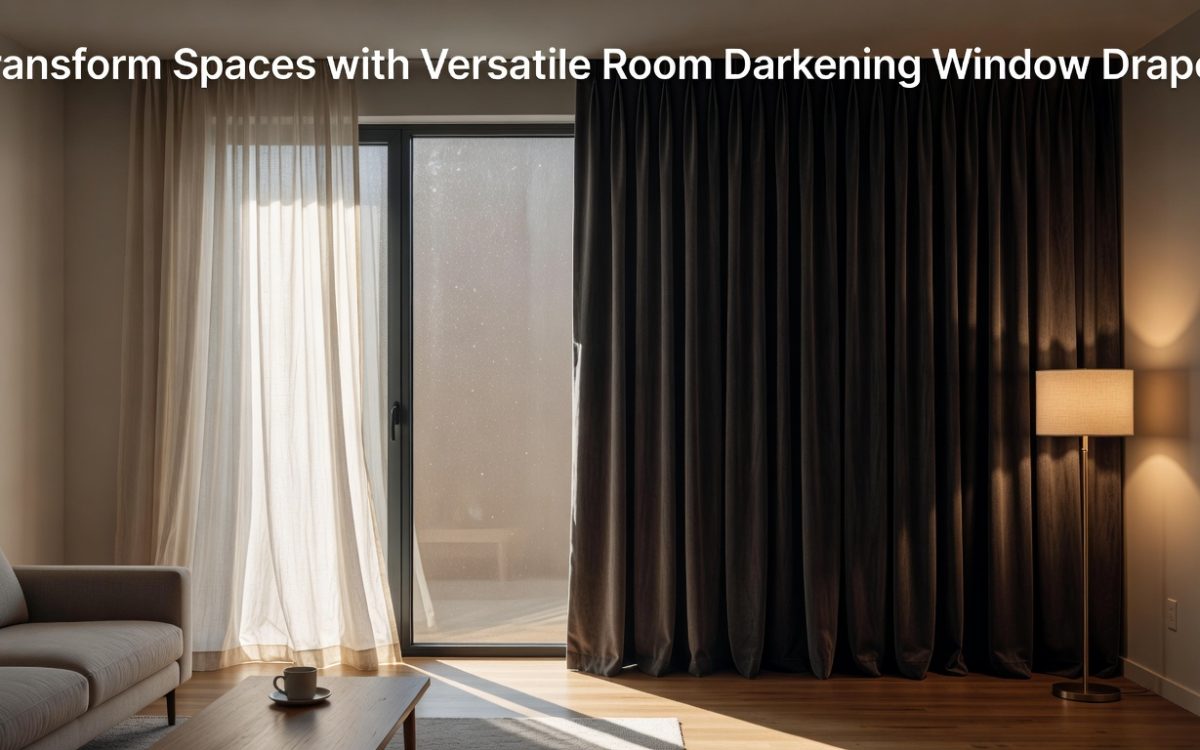
Few elements in interior design carry as much transformative power as window treatments. The right drapes can redefine a room’s mood, control natural light, and anchor an entire design concept — yet finding options that balance both form and function remains one of the most persistent challenges designers face.
Room darkening window curtains have emerged as a go-to solution for professionals who refuse to compromise between practicality and style. Unlike standard sheers or decorative panels, these drapes deliver meaningful light control and privacy without limiting your creative vision. Whether you’re outfitting a client’s bedroom sanctuary, a home office, or a commercial lounge, the right room darkening window curtains can do the heavy lifting on both fronts.
This article explores the essentials of room darkening drapes and dives into versatile style directions — from free-spirited boho aesthetics to timeless floral patterns and classic rod pocket designs. Along the way, you’ll find practical guidance for selecting, pairing, and customizing window treatments that genuinely elevate the spaces you design. If you’re ready to expand your drapery toolkit with options that are as trend-forward as they are functional, read on.
The Essentials of Room Darkening Window Drapes
Room darkening window drapes are purpose-built panels designed to significantly reduce incoming light without necessarily eliminating it entirely — distinguishing them from true blackout curtains, which aim for near-total darkness. This middle-ground functionality makes them remarkably adaptable across residential and commercial projects alike. For interior designers, that adaptability is the real selling point: you gain meaningful light management without sacrificing the warmth, texture, and visual weight that quality window drapes bring to a space.

The practical benefits extend well beyond light control. These drapes enhance privacy during daylight hours, reduce UV exposure that fades furniture and flooring, and contribute to thermal insulation — lowering energy costs in both heated and cooled environments. A well-chosen room darkening curtain can serve a bedroom, a media room, a nursery, or a corporate boardroom with equal effectiveness, making them one of the most versatile investments in any designer’s sourcing toolkit.
How Room Darkening Technology Works
Most room darkening drapes achieve their light-blocking capability through layered construction — typically a decorative face fabric bonded or sewn to a tightly woven lining, often in foam-backed or triple-weave configurations. The lining does the functional work while the outer fabric handles aesthetics, which means designers aren’t locked into heavy, institutional-looking panels. This separation of function and form is what gives room darkening drapes their aesthetic flexibility, allowing them to appear as refined, textured, or patterned as any standard decorative curtain.
Selecting Materials for Style and Function
Fabric choice shapes both performance and visual character. Velvet and chenille deliver rich texture alongside excellent light reduction, making them ideal for formal or cozy settings. Linen-look polyester blends offer a lighter, more casual feel while still incorporating effective darkening liners. For bold design statements, consider drapes with printed patterns on blackout-backed fabric — these combine graphic impact with genuine functionality. When selecting colors, note that deeper tones inherently block more light, while lighter shades with quality linings can maintain an airy aesthetic without compromising the room’s privacy or energy performance.
Exploring Boho Styles with Window Drapes
Boho aesthetics have moved well beyond trend status — they’ve become a reliable design language that resonates across client demographics, from young renters personalizing their first apartments to seasoned homeowners refreshing tired living spaces. For interior designers, boho-style room darkening drapes offer something genuinely useful: the ability to introduce personality, warmth, and visual complexity into a space while still delivering the light control and privacy that functional window treatments demand. The style’s inherent eclecticism means it plays well with a wide range of existing furnishings, making it a low-risk, high-reward choice for diverse project briefs.

Boho drapes typically draw on earthy color palettes — terracotta, rust, sage, sand, and deep indigo — punctuated by global-inspired prints or hand-painted-style patterns. Texture is equally central: macramé trim, tassel edging, and woven fabric surfaces all contribute to that layered, collected-over-time quality that defines the aesthetic. When these elements are incorporated into room darkening panels, the result is a window treatment that feels curated rather than purely functional.
Key Features of Boho Aesthetic in Curtains
The boho curtain vocabulary centers on a few defining characteristics. Eclectic prints — medallion motifs, ikat patterns, tribal geometrics, and abstract botanicals — give panels their visual identity. Natural-looking fabrics, whether genuine linen or linen-weave polyester blends, reinforce the organic, handcrafted sensibility. Decorative details like fringe, tassels, and pom-pom borders add dimension without requiring additional accessories. What makes these elements so versatile is their ability to anchor a fully boho-themed room or introduce contrast into a more minimal or contemporary setting — a single pair of patterned boho drapes can warm up a stark modern interior without overwhelming it.
Design Tips for Boho-Inspired Spaces
Layering is the most effective tool when working boho drapes into a broader design scheme. Pair patterned room darkening panels with sheer linen underlayers to soften the overall effect and allow light modulation throughout the day. Ground busy prints by keeping surrounding textiles — rugs, throw pillows, upholstery — in solid, complementary tones rather than competing patterns. In smaller rooms, opt for drapes hung close to the ceiling and extending to the floor; this elongates the space while letting the fabric’s texture and pattern do their visual work. For commercial applications like boutique hotel rooms or café interiors, boho drapes paired with rattan furniture and warm Edison lighting create an immediately inviting atmosphere that photographs well and encourages repeat visits.
Floral Curtains: Enhancing Elegance and Charm
Floral curtains occupy a unique position in the designer’s toolkit — simultaneously timeless and adaptable, capable of reading as romantic, fresh, bold, or understated depending on how they’re deployed. Far from being locked into a single aesthetic category, floral room darkening drapes can anchor a traditionally styled bedroom, soften a contemporary living space, or introduce unexpected charm into a commercial setting. For interior designers seeking options that feel distinctive without veering into niche territory, florals offer broad appeal with genuine staying power. The key lies in matching pattern scale, color palette, and fabric weight to the specific demands of each project rather than applying a one-size-fits-all approach.
Scale is the most critical variable. Oversized botanical prints create drama and work best in rooms with generous wall space and high ceilings, where the pattern can breathe without feeling crowded. Smaller, more delicate floral repeats suit intimate spaces — reading nooks, powder rooms, or compact bedrooms — where a large motif would overwhelm. Color saturation matters equally: vibrant, high-contrast florals make confident statements in otherwise neutral rooms, while muted, watercolor-style prints layer quietly into spaces already rich with texture and pattern.
Choosing the Right Floral Patterns for Impact
When guiding clients through floral curtain selection, start with the room’s dominant color story. Pull one or two accent tones from existing furnishings and look for floral patterns where those hues appear prominently — this creates visual cohesion without requiring a full redesign. Fabric type shapes the overall mood: crisp cotton-weave florals read as fresh and casual, while velvet or jacquard florals with darkening liners project luxury and formality. For rooms that receive intense sunlight, choose patterns printed on tightly woven, quality-lined fabric to ensure colors remain vivid over time rather than fading prematurely.
Integrating Floral Curtains into Various Themes
Floral drapes adapt convincingly across multiple interior styles when handled with intention. In modern settings, choose graphic, large-scale florals with a limited two- or three-color palette — the boldness reads as contemporary rather than traditional. Rustic or farmhouse interiors benefit from loose, painterly botanical prints on linen-textured fabric, reinforcing the organic, unhurried quality of the style. Traditional rooms can handle denser, more intricate floral patterns in rich jewel tones, particularly when paired with classic furniture silhouettes. For commercial spaces like boutique retail or spa environments, soft floral panels in muted blush, sage, or ivory tones create a welcoming atmosphere that feels considered rather than generic.
Rod Pocket Curtains: Classic and Adaptable Solutions
Rod pocket curtains have earned their place as a design staple precisely because they combine effortless installation with a clean, gathered silhouette that works across virtually any interior style. The rod pocket — a sewn channel along the curtain’s top edge — threads directly onto a curtain rod, creating soft, uniform pleating without the need for rings, clips, or additional hardware. For interior designers managing projects with varying budgets and timelines, this simplicity is a genuine advantage. The look reads as intentional and polished whether the fabric is a casual linen blend or a formal velvet, making rod pocket designs one of the most adaptable heading styles available.
Their versatility extends beyond aesthetics. Rod pocket curtains accommodate a wide range of rod diameters and styles — from slim café rods to substantial wooden or wrought-iron poles — allowing designers to calibrate the visual weight of the installation to match the room’s scale and character. When combined with room darkening linings, these panels deliver full functionality without any visual compromise.
Installation and Customization of Rod Pocket Drapes
Hanging rod pocket curtains is straightforward: thread the rod through the pocket channel, distribute the fabric evenly, and mount the rod at the desired height — ideally four to six inches above the window frame to maximize perceived ceiling height. Fullness is controlled by fabric quantity; a ratio of two to two-and-a-half times the window width creates generous, well-structured gathers. For a more tailored look, choose a tighter gather with structured fabric. Decorative rods in contrasting finishes — matte black against warm neutrals or brushed brass against jewel tones — add a finishing layer that elevates the entire installation.
Versatility in Residential and Commercial Spaces
Rod pocket curtains transition naturally between settings. In living rooms, floor-length panels in textured fabric create an anchored, layered feel that complements both contemporary and traditional furnishings. Bedrooms benefit from the soft, draped quality of gathered rod pocket panels, especially when paired with room darkening liners for genuine sleep support. In office environments or commercial spaces like boutique showrooms, crisp rod pocket panels in solid, neutral tones maintain a professional aesthetic while managing glare on screens and displays — proving that this classic heading style remains as relevant and practical as ever.
Practical Solutions for Interior Designers
Translating drapery knowledge into client-ready outcomes requires a structured approach. Room darkening drapes aren’t a one-style-fits-all category — the same functional core can be expressed through boho prints, floral patterns, or clean rod pocket silhouettes depending on what each project demands. The designer’s role is to bridge that gap between a client’s lifestyle needs and the aesthetic direction they’re chasing. When you approach window treatments as both a functional specification and a design decision simultaneously, the selection process becomes faster, more confident, and more likely to produce results that genuinely satisfy.
Sourcing matters as much as selection. Prioritize suppliers who offer room darkening linings across multiple style categories rather than treating blackout functionality as a separate, utilitarian product line. Brands like higbedding, which operate across the broader home goods space, reflect a growing industry understanding that light-control performance and decorative appeal need to coexist in the same product. This gives you the flexibility to specify boho-patterned panels, botanical florals, or classic rod pocket styles — all with consistent light-control performance — without compromising the design narrative. When customization is available, take advantage of it: fabric upgrades, extended panel lengths, and decorative rod pairings all contribute to a finished installation that feels bespoke rather than off-the-shelf.
Selecting Curtains Based on Client Briefs
Start every window treatment decision with three questions: How much light control does this room genuinely need? What aesthetic direction is already established? And what functional demands — privacy, thermal performance, glare reduction — are non-negotiable? A bedroom brief calls for maximum darkening with a fabric that complements existing bedding and furniture tones. A home office prioritizes glare management with a neutral palette that doesn’t distract. Map these requirements before browsing options, and the field narrows quickly from overwhelming to actionable.
Customization and Trend Integration Strategies
Layering remains the most reliable strategy for hybrid results — pair room darkening panels with sheer underlayers to allow light modulation without sacrificing privacy or style. For clients drawn to current trends, integrate boho or floral drapes as the statement layer while keeping hardware and surrounding textiles grounded in neutrals. Rod pocket styles work particularly well as a base format for customization: swap standard rods for decorative poles in brass or matte black to instantly shift the register from casual to refined. Small additions like tiebacks, tassel trim, or contrast lining edges can make standard panels feel tailored to the space.
Function Meets Style: The Designer’s Case for Room Darkening Drapes
Room darkening window drapes represent one of the rare intersections in interior design where function and aesthetics genuinely reinforce each other rather than compete. Throughout this article, we’ve seen how the same core light-control technology can express itself through free-spirited boho prints, elegant floral patterns, and the clean, timeless silhouette of rod pocket designs — each serving distinct client needs while delivering consistent performance benefits including privacy, UV protection, and thermal efficiency.
For interior designers, that versatility is the central takeaway. Whether you’re sourcing drapes for a residential bedroom that demands genuine sleep-quality darkness, a home office that needs glare reduction without visual heaviness, or a commercial space that must balance atmosphere with practicality, room darkening drapes offer a solution that doesn’t require aesthetic compromise. The style directions explored here — boho, floral, and rod pocket — are entry points, not limitations. With thoughtful fabric selection, intentional layering, and smart customization choices, these window treatments can be adapted to virtually any design brief.
The spaces you design deserve window treatments that work as hard as every other element in the room. Approached with the same intentionality you bring to furniture selection or color palettes, room darkening drapes become a genuine design asset — one that transforms both how a space looks and how it feels to live and work in every day.